
Document
explore news CONVERSATIONS HEADER Creative head x authentic beauty concept techniques header inform home inform freelance content connect home connect inform header home explore documents header creative projects header
Ghd On Hunt For Its Style Squad

Ghd On Hunt For Its Style Squad

Ghd On Hunt For Its Style Squad

10 places up for grabs for UK and Irish hair talent

by AMANDA | INFORM

Iconic styling brand ghd is searching for 10 emerging hairstylists to make up the latest version of its Style Squad. The mentorship programme is a chance for young, up-and-coming talents in the UK and Ireland to access career-defining experiences and sharpen their skills.

Open to stylists currently doing NVQ Level 2 or 3 (or equivalent) or those in their first two years of hairdressing, the successful team will receive full ghd product training, work together on creative challenges and attend exclusive inspiration days with mentorship from the ghd education team and guest artists. They’ll also gain access to brand events and activations, as well as accessing the chance to showcase their talent on major projects, including global and UK launch events, photoshoots and hands-on education from top industry pros like James Earnshaw and Michelle Thompson.

This Is How You Apply

Email stylesquad@ghdhair.com to request an application form

Create and upload an on-trend, 60-second how-to video using your favourite ghd tool – either self-styling or on a model with a step-by-step caption – to Instagram or TikTok. (No doll heads or AI allowed).

Tag @ghdhairpro and use the hashtag #ghdstylesquadUKI.

Send your video and completed application back to stylesquad@ghdhair.com before the deadline – 5pm on Tuesday 1 April.

 

Meet The New L’Oréal Professionnel Paris ID Artists For 2025

Meet The New L’Oréal Professionnel Paris ID Artists For 2025

Meet The New L’Oréal Professionnel Paris ID Artists For 2025

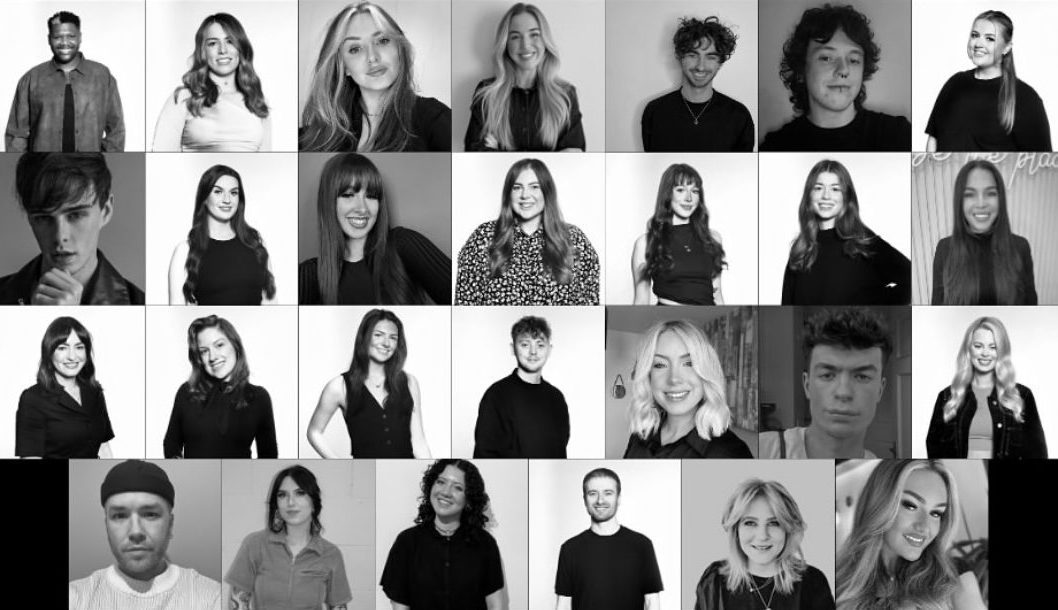
L’Oréal Professionnel Paris ID Artists – the talent development programme that helped nurture the likes of Harriet Stokes, Patrick Wilson, Richard Phillipart and Sophia Hilton – has revealed its cadre for 2025.

by AMANDA | INFORM

Developed by L’Oréal Professionnel Paris to identify and cultivate individual talent, the ID Artist team receive education and opportunities designed to upskill, empower and connect with a nationwide community of fellow artists over a two-year period.

 The new 2025 ID Artists joining the second year ID Artists are:

Amelia Higgins, Dy8 Desinz
Becky Hare, Brooks & Brooks
Charlie Illi, Brooks & Brooks
Daryl Behan, Peter Mark
Georgia Patton, @G&S Hair
Jake Murphy, Zeba Hairdressing
Jay Hanlin, Alan Edwards
Jessica Elwell, Scullion and Scot
Lydia Stiles, TONI&GUY Sloane Square
Morgan Hirst, Russell Eaton
Niamh Edwards, Leigh Roberts
Stephen Edgar, Andrew Mulvenna
Tyler Knox, Peter Mark Forestside
Zoe Harrison, Sola Hair Studio

Entrants had to submit an audition video showcasing a model, judged by a panel of expertsincluding Darren Ambrose from D&J Ambrose and Angie Dromgoole from ZebaHairdressing, with finalists invited to a virtual interview to share their creative vision.

NHBF: Budget Changes To Cost Hair & Beauty Sector £139m

NHBF: Budget Changes To Cost Hair & Beauty Sector £139m

NHBF: Budget Changes To Cost Hair & Beauty Sector £139m

New report looks at economic impact of the Autumn Budget on hair and beauty businesses

by AMANDA | INFORM

The proposed changed outlined in the Autumn Budget will cost the hair and beauty industry £139m, according to a new report from the NHBF.

Research by Pragmatix Advisory for the NHBF focuses on seven key measures – changes to the National Minimum Wage, Apprenticeship Minimum Wage rates, employer National Insurance contributions (NICs), Employment Allowance, business rates and business rates relief. The £139m impact is based on official government statistics and responses to the NHBF January 2025 State of the Industry survey.

With staff costs typically around 60 per cent – higher than the likes of hospitality where staff costs account for approximately 28 per cent – the Budget changes will hit hair and beauty particularly hard. According to the report, labour costs are expected to rise by four per cent, equivalent to £100m across the sector, driven by the rise in the National Minimum Wage, Apprentice Minimum Wage, and the changes in the thresholds and rates for employer NICs.

Overall tax revenue is expected to decrease by four per cent, or £44m across the sector, net of Employment Allowance. VAT paid is estimated to fall by 0.5 per cent, equivalent to £2.5 million. Based on responses to its recent State of the Industry survey, one in four salons (19per cent approximately 9,370) plan to shift to self-employed models, likely to avoid the increased costs linked to traditional employment structures. For ‘micro’ businesses with fewer than four employees, the Budget is likely to add £1,130 in costs, while ‘mini’ businesses with 10 employees can expect to face £10,370 in additional costs per year.

Profits are projected to drop by 15 per cent across the sector, driven by rising labour costs and reduced consumer demand. Turnover is anticipated to slide by £20m.

The survey illustrated that seven in 10 businesses plan to increase prices, while 45 per cent will cut staff hours. Additionally, 45 per cent said they will trim the number of employees, with an average cut of 2.7 full-time equivalent staff.

“Our sector, which employs predominantly women and young people, is facing unprecedented pressure to either raise prices significantly or fundamentally change business models – with serious implications for jobs, training, and high street vitality,” said Caroline Larissey, chief executive of the NHBF. The organisation has written to the Chancellor ahead of the fiscal statement on 26 March. This letter asks for an urgent review of VAT; support for apprenticeships, including £3,000+ incentives per employee to cover training costs; business rates reform; more flexibility from energy suppliers to tackle high utility costs and enhanced HMRC resources for both enforcement and sector-specific advice to ensure fair competition.  

Fashion Trade Union Report Reveals Low Pay and Job Insecurity


Fashion Trade Union Report Reveals Low Pay and Job Insecurity


Fashion Trade Union Report Reveals Low Pay and Job Insecurity

Session stylists among those sharing experiences of unpaid overtime, late payments and toxic working environments

by AMANDA | INFORM

Just 14 per cent of fashion creatives are paid on time for the work they do and eight in 10 feel pressured to work for free. These are some of the damning findings in Fashion UK’s State of the Sector report, based on responses from more than 500 fashion creatives working in the UK, including hair stylists, make-up artists, nail technicians, fashion and accessories designers, photographers, fashion stylists, tailors and their assistants.

Fashion UK is the UK’s first trade union branch for fashion creatives – part of Bectu, the long-established union representing staff, contract and freelance workers in the media and entertainment industries – with vocal supporters including legendary session stylist Sam McKnight. While the British Fashion Council estimates that the fashion industry contributes £37 billion to the UK economy, the report illustrates the insecure working conditions of many fashion creatives, showcasing a story low – or no – pay and toxic working environments.

Fashion creatives from Black and minoritised ethnic backgrounds were more likely to be in low-paid work and to have experienced workplace discrimination than their white counterparts. More than a third are forced to supplement their income with non-fashion work.

Responses from 525 fashion creatives spoke about the inherent insecurity in the industry, reporting frequent job cancellations and late payments. Nearly a third (31 per cent) of fashion creatives said they don’t see themselves in the industry in five years’ time.

The key findings included:
• Just one in 10 fashion creatives (10 per cent) say they feel secure in their job.
• Only 14 per cent are paid on time for the work they do.
• Half (51 per cent) of fashion creatives are earning under £30,000 a year before tax from their work in the industry.
• More than seven in 10 have struggled financially (72 per cent) in the past year
• Eight in 10 (79 per cent) have felt pressured to work for free.
• And 83 per cent say that behaviours that would be considered toxic and inappropriate in public life are often tolerated in the fashion industry.

Fashion UK is now working on a two-part Guide to Good Practice, aimed at employers and creatives themselves, to help standardise hiring practices, terms and conditions in the industry. It will also help inform creatives about how to check their contract and terms, and advise on how to chase payments, among addressing other issues.

“It is very clear that fashion has a culture problem,” said head of Bectu, Philippa Childs. “From workers facing psychological abuse and unreasonable demands, to excessive hours and no or little pay, no one should have to put up with these conditions to ‘make it’ in an industry.”

This Is The 2025 Schwarzkopf Professional Young Artistic Team

This Is The 2025 Schwarzkopf Professional Young Artistic Team

This Is The 2025 Schwarzkopf Professional Young Artistic Team

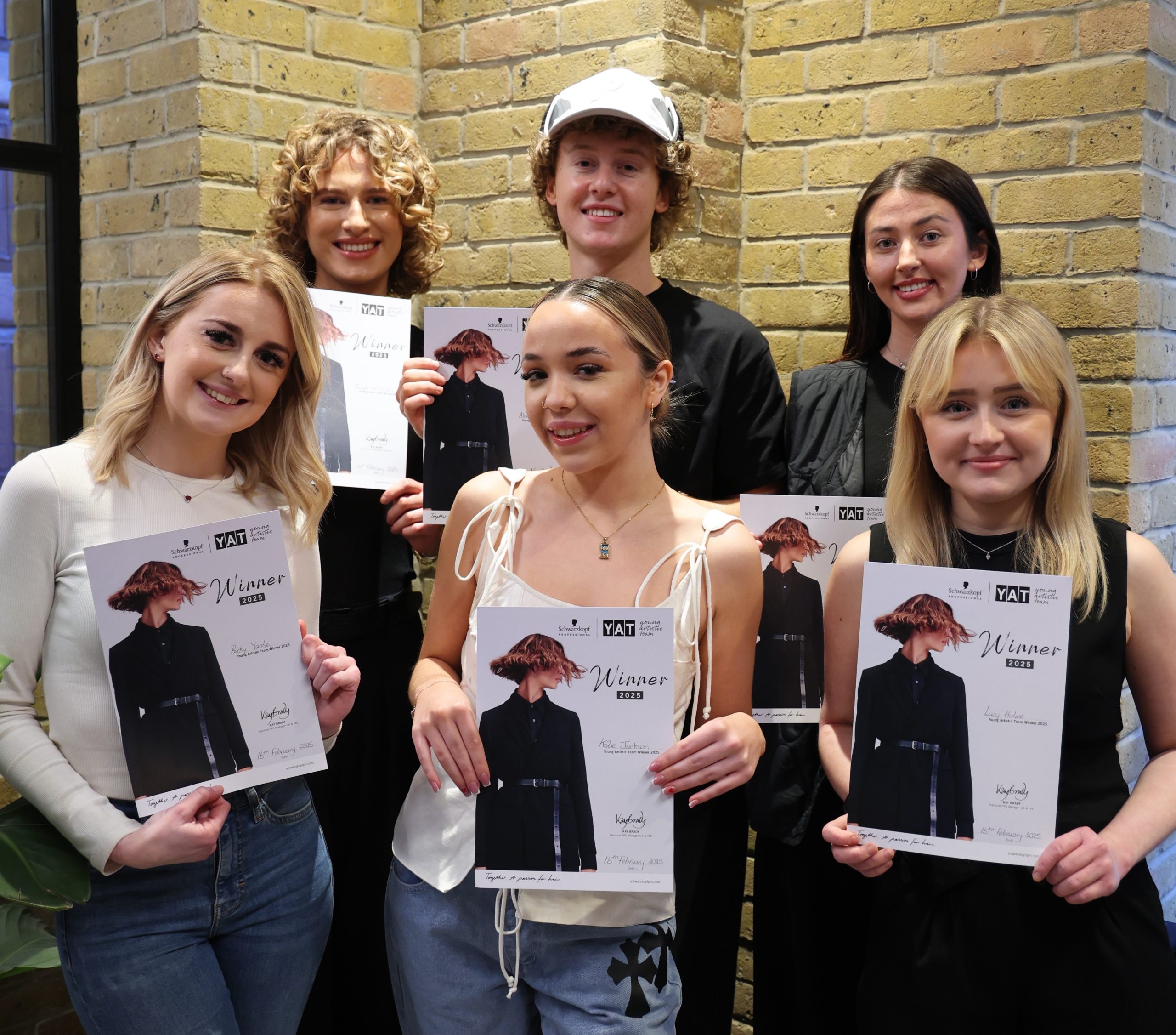
Six fresh faces revealed for year-long programme

by AMANDA | INFORM

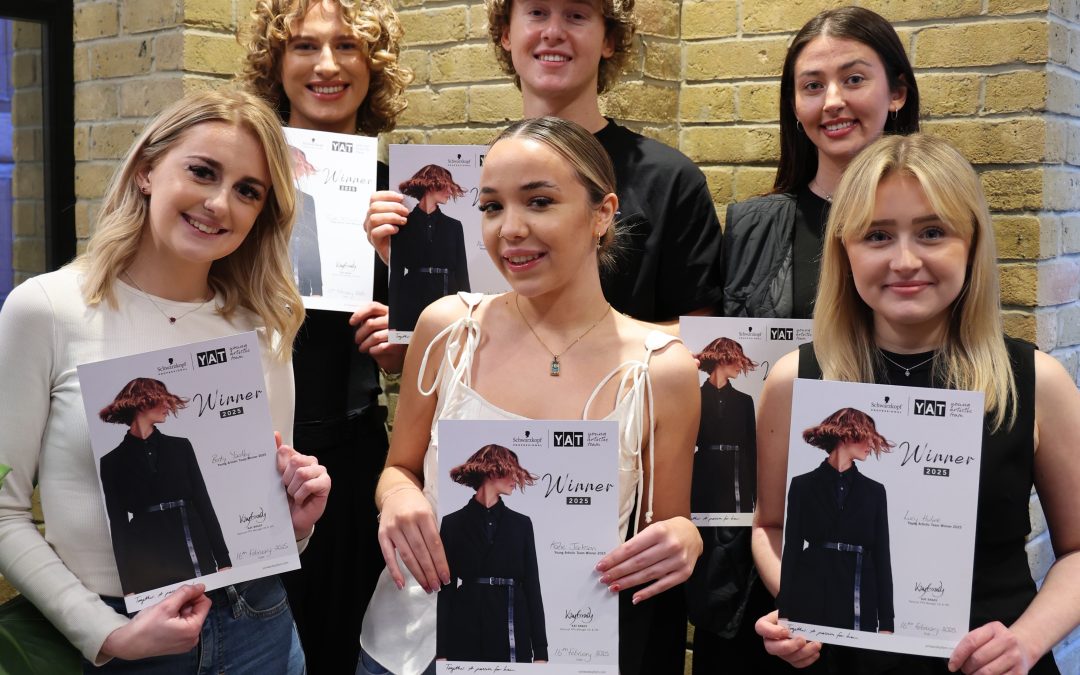
The new Schwarzkopf Professional Young Artistic Team for 2025 is here, celebrating up-and-coming talent from across the UK and Ireland.

The latest recruits are:

Lucy Hulme (Billi Currie, Marylebone, London)
Joseph McCarthy (Hooker & Young, Ponteland)
Alex Trippier (Claxton Hair, Rawtenstall)
Kate Olivia (HEX, Manchester)
Becky Yardley (Base Hairdressing, Warrington)
Eilidh Ashlyn (Complete Salon, Glasgow)

During the year-long programme, the team will be mentored by UK ambassador, Suzie McGill, to develop skills, explore new creative possibilities and gain industry experience at shoots, events and more. 

The selection process took place at Stā Studios, where finalists were asked to cut and style their chosen models hair using Schwarzkopf Professional products, with each model having a minimum of five inches cut from their hair. The finalists presented their models to a panel of judges, sharing their mood board, inspirations, techniques and vision.

BHC Report: Govt Must Halve VAT To Save Salons

BHC Report: Govt Must Halve VAT To Save Salons

BHC Report: Govt Must Halve VAT To Save Salons

Employment and apprenticeships will be decimated unless there’s action, warns explosive industry report

by AMANDA | INFORM

No new apprenticeships by 2027 and a 93 per cent fall in employment by 2030 – those are the stark findings from an incendiary British Hair Consortium (BHC) report on the future of UK salons unless the government halves VAT.

The report – by independent consultancy CBI Economics and based on responses from more than 2,000 salon owners and professionals – highlights how an unbalanced tax system is decimating the industry, largely because the sector is far more labour intensive than most other high street businesses, with limited chances to reclaim VAT costs. This is leaving VAT-registered businesses at a disadvantage, particularly with the rising levels of ‘disguised employment’. The latter described the practice of hiring contractors to avoid VAT and NI payments.

This unlevel playing field sees employers often contributing more than double the tax (12 per cent more) than the disguised model. The industry shift to self-employment has coincided with a decline in overall sectoral employment, which may have cost the Treasury £2.4bn in VAT receipts alone since 2009. The continuing drop in employment would create a sector “largely devoid of the employment rights that come with being an employee”.

The report also noted that cutting VAT on salon labour costs would be hugely cost-positive, potentially reversing the decline in VAT registrations.

“A ‘one size fits all’ tax system doesn’t work and has created an unlevel playing field. This report shows how cutting VAT to 10 per cent won’t cost the government a penny. It would save salons across the country and ensure the future of our industry, which sits at the heart of the high street” – Toby Dicker, BFC co-founder

Rising costs that are due to hit in full force in April following Chancellor Rachel Reeves’ Autumn Budget, have exacerbated the crunch for many salon employers. With the Spring Forecast due in five weeks, the BHC – which represents 50,000 UK hairdressing professionals – says the government must act urgently on VAT.

To show your support, the BHC is urging salon owners to visit bhc.co.uk to download the report and personalise the templated letter, which can be emailed to local MPs.

The BHC is a working group representing all areas of the UK personal care sector, including the Salon Employers Association, Salon Owners United, the Hair & Barber Council, the Freelance Hairdressers Association, the Men’s Hairdressing Federation and the Fellowship for British Hairdressing.

Reaction From Salon Employers

“The changes from the last Budget have made it very hard for salons to continue to offer the benefits of employment and we will certainly not be able to take on as many apprentices going forward. This will kill the future of our industry.” – Laura Geary, director at Headmasters, one of the UK’s biggest salon groups and one of the largest providers of apprenticeships

“Last year’s change in NI contributions has forced us to close our salon in Ormskirk in West Lancashire after 57 years of trading. Nearly all our competitors in Ormskirk are self-employed and we cannot continue to be competitive.

“We’re also a specialist provider of hairdressing apprenticeships – the largest in Liverpool. Last year we had over 300 applications but were only able to find employment for 60 apprentices because fewer salons can afford to take them on. Apprenticeships are the main route for sustainable careers in hairdressing, but the model is under threat if there aren’t enough salons able to directly employ hairdressers.” – Charlie Collinge, director at Collinge & Co, Liverpool

“One of the biggest challenges I’ve faced over the years has been VAT. A growing number of salons now operate with chair renters who don’t have to pay VAT, which allows them to keep their prices low and creates an uneven playing field.

“I also worry about the future for the next generation of stylists. Who will train them? Recently I had to make the difficult decision to let my two newest apprentices go because I simply can’t afford them. My training provider has no salons on their books looking for apprentices this year, as chair rental salons don’t typically train apprentices. If salons like mine continue to be squeezed, they’ll become less and less viable, making it even harder for employers like me to secure a stable future.” – Denise Thomas, owner of Denise Thomas Hair Salons, in Liverpool