Document
explore news CONVERSATIONS HEADER Creative head x authentic beauty concept techniques header inform home inform freelance content connect home connect inform header home explore documents header creative projects header
Have Periods Caused You Problems At Work?

Have Periods Caused You Problems At Work?

Have Periods Caused You Problems At Work?

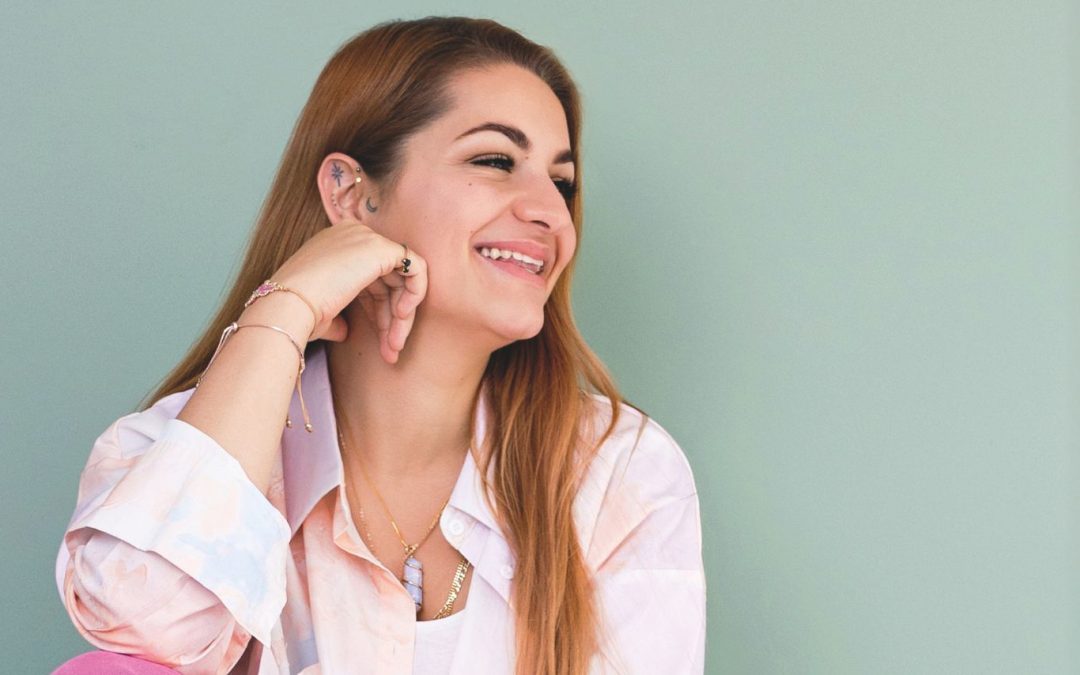
Cristina Fazzone shares her experience… join her on a webinar on 27 January

by AMANDA | CONVERSATIONS

From waiting lists doubling to a Westminster report warning about misogyny in medicine, conversations around women’s reproductive health and the pain that many experience has suddenly – and finally! – become big news.  Women with conditions including heavy periods, endometriosis and adenomyosis are being dismissed when they ask for help, members of Westminster’s Women and Equalities Committee concluded in December… something freelance hairdresser Cristina Fazzone knows all too well.  

She is now urging our female-driven industry to take notice and act – and she will be joining Creative HEAD, alongside The Menstrual Health Project team and period coach Connie Owen (@conniemarieowen), to discuss how to support those with menstrual health challenges in work in a Zoom on Monday 27 January (you can sign up here to take part).  Here, Cristina shares her personal experience of living – and working as a hairdresser – with regular, debilitating period pain… 
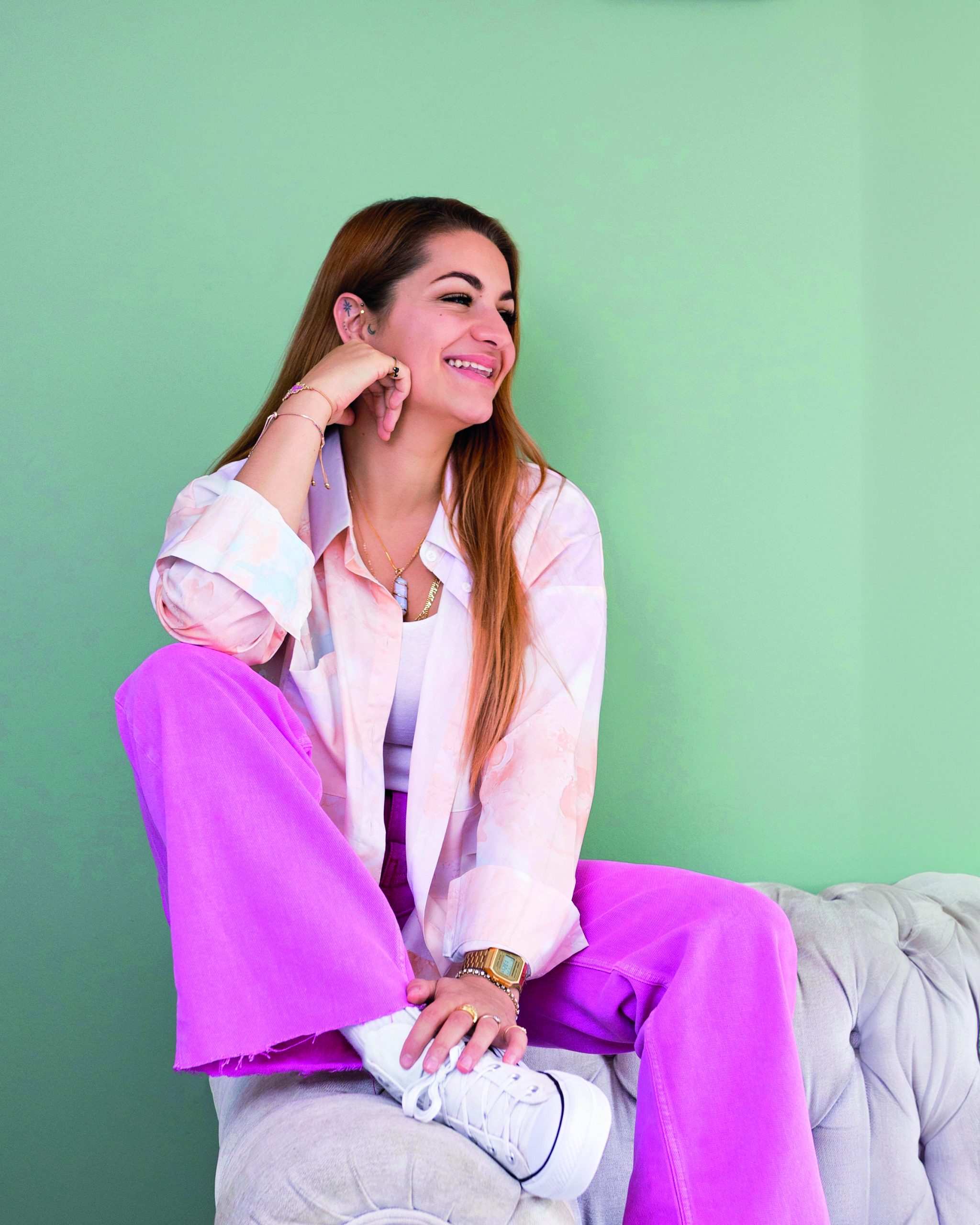
Cristina Fazzone

“Menstrual health can be a scary thing to wrap your head around. My first scan revealed I had polycystic ovaries. I was told one of the reasons I was experiencing severe pain could be because the cysts can expand to such a big size and even potentially explode. A graphic image, I know! And scary to imagine this might be happening inside your own body.  

“The delivery of this news (from mainly female doctors) has always been abrupt. The topic is taboo and there is little education around it. Why is there a lack of empathy, even from females?  

“We all know hairdressing is a female-driven industry – it’s estimated that 87 per cent of workers are female. So, consider this: 90 per cent of women with periods say they experience pain; 40 per cent say this pain is so bad they miss work; and more than one in 10 (14 per cent) of women have menstrual health complications and debilitating pain every month. 

“These are statistics I know all too well and have experienced firsthand throughout my adult life. So, as a female-driven industry, why are we not talking about it? 

“Besides a handful of good months, I’ve experienced period pain as an obstacle and distraction from school and work for 16 years. From the first day I started my period in year 7 through to today at 28 years old, when I’ve finally started to understand more about menstrual health and how to improve my periods myself.  

“On the first day of my cycle I’m almost guaranteed to have to cancel any plans. The pain leaves me cramped up, unable to move my body, often throwing up, howling in pain and occasionally ending with a 999 call. Statistically, most women have experienced something similar. 

“When I worked in salons, I often faced issues from female bosses when I called in sick or cancelled clients due to my period pain. There was a lack of conversation around the topic and I would love to see this change.   

“Calling in sick became a monthly thing for me. As a hairdresser, this is a nightmare. When I became self-employed eight years ago, this became even more of a problem, I had to manage and rearrange a fully-booked column while in pain. Luckily, I have been blessed with loyal and understanding clients, but this isn’t the case for everyone and menstrual health can become a huge barrier to growth at work.  

“Females who don’t experience period pain on this level can wonder if people like me are exaggerating. We need to shatter this judgment to help women navigate and manage this pain in their personal and working lives. 

“There are several things I’ve learned along the way to help avoid my periods becoming an issue in my work, including using natural remedies. With a regular cycle this is somewhat manageable, forecasting is possible. But Mother Nature is Mother Nature and she’s always got her own plans!  

“If you’re reading this and can relate, remember that it’s going to be okay. Whether you cancel work due to pain, lose clients, face difficulty with bosses due to sick days, struggle to manage your own column because of it, or battle with the pain… in the end health comes first. You can try and fight against it and force your way through it, but you will only make it worse long term. Dedicate time to healing yourself first, and everything else will slot into place. Without your health you have nothing. 

“I’ve been diagnosed with polycystic ovaries, dysmenorrhea, potential endometriosis, low iron, B12 deficiency – all related to menstrual health. There’s an empowerment that comes with investigating your own health and understanding what might help. I’m channelling the energy of my experience to help my sisters in the industry!  

“As a predominantly female industry I truly believe this is a topic of conversation we need to navigate and normalise. And I hope this is the start of a beautiful shift.” 

Join The Discussion!

Join Cristina and Creative HEAD on a Zoom workshop with The Menstrual Health Project team and period coach Connie Owens to discuss how to support those with menstrual health challenges in work. 

9.30am on Monday 27 January

We Have Zero Option But To Stand Down For A Few Days”

Ruth Lundstrom, founder of The Freelance Suite, shares her own journey
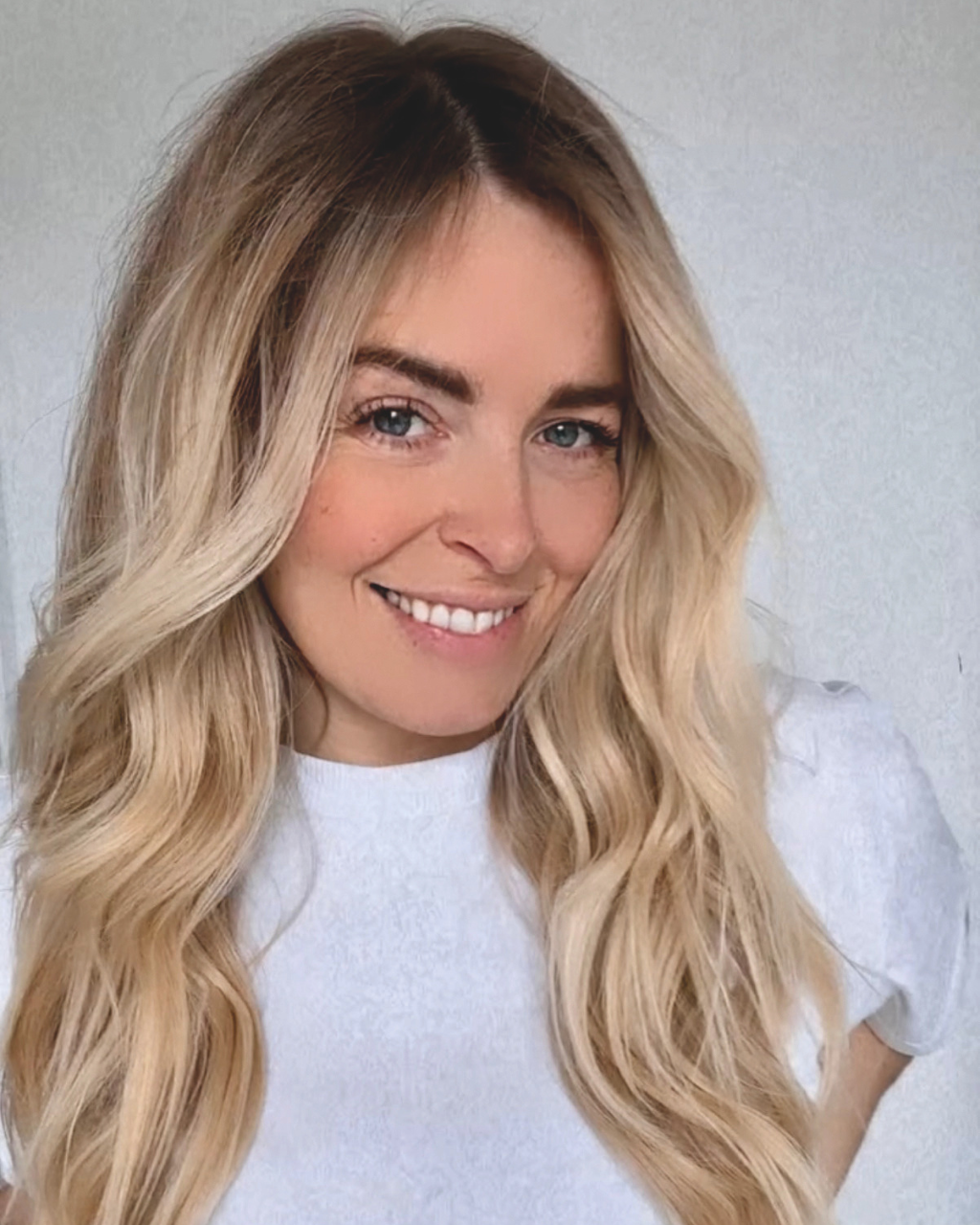
Ruth Lundstrom

“Once a month, cis women are rudely interrupted by our periods. For some they’re almost unnoticeable, but for others they can be debilitating. This can have a huge impact on how we show up for work and for our clients – if we can even show up at all. 

“For many years mine were very heavy and the first few days were unbearable. This can put some of us out of work. We have zero option but to stand down for a few days and if you’re freelance, this can lead to a drop in earnings and a rescheduling headache. 

“I had a breakthrough 10 years ago when I removed sugar from my diet. I no longer experienced the bloat, pain or heaviness. 

“As I switched out sugar, I naturally ended up eating a wholefood diet. This helped balance my hormones and made my cycles easy to sail through and I don’t endure the same dip in mood. 

“My approach to health is always, ‘what are we putting in the tank?’. It’s my first approach before I go down the medication route. I believe the body and mind are even more powerful if they are fed the  
right ingredients.” 
Tony Rizzo Honoured With MBE In New Year Honours List 2024

Tony Rizzo Honoured With MBE In New Year Honours List 2024

Tony Rizzo Honoured With MBE In New Year Honours List 2024 

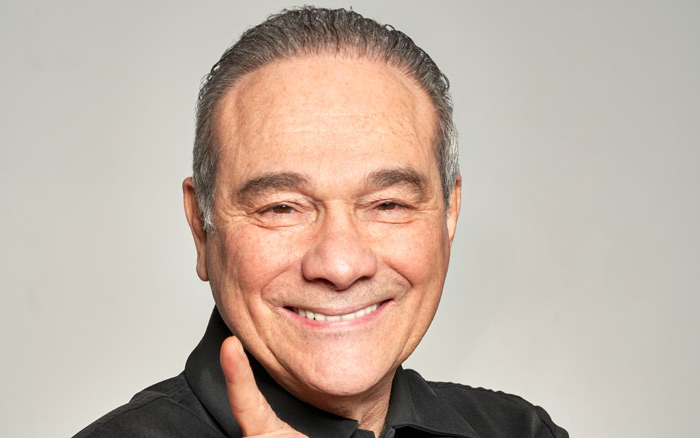
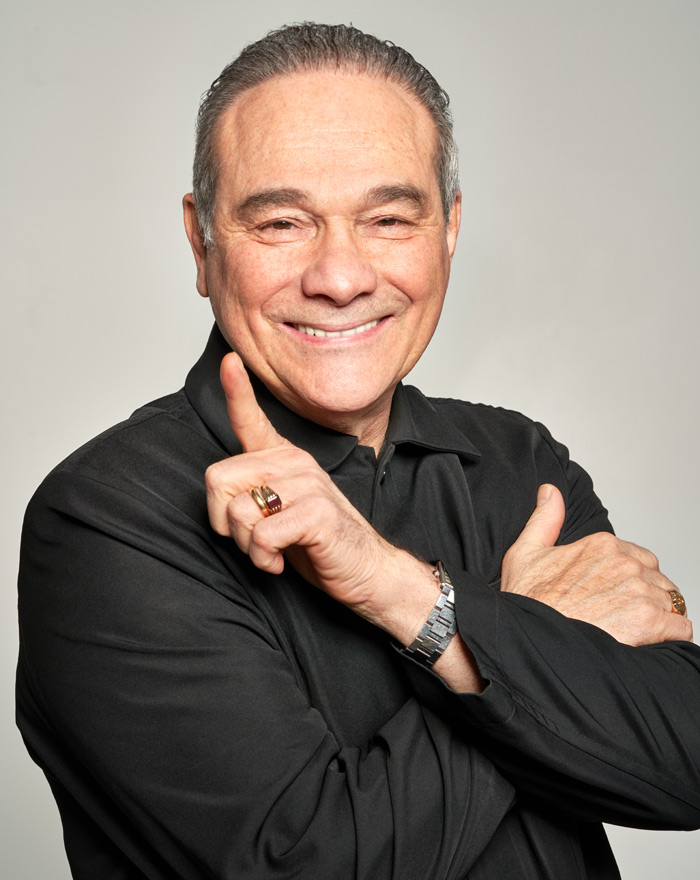
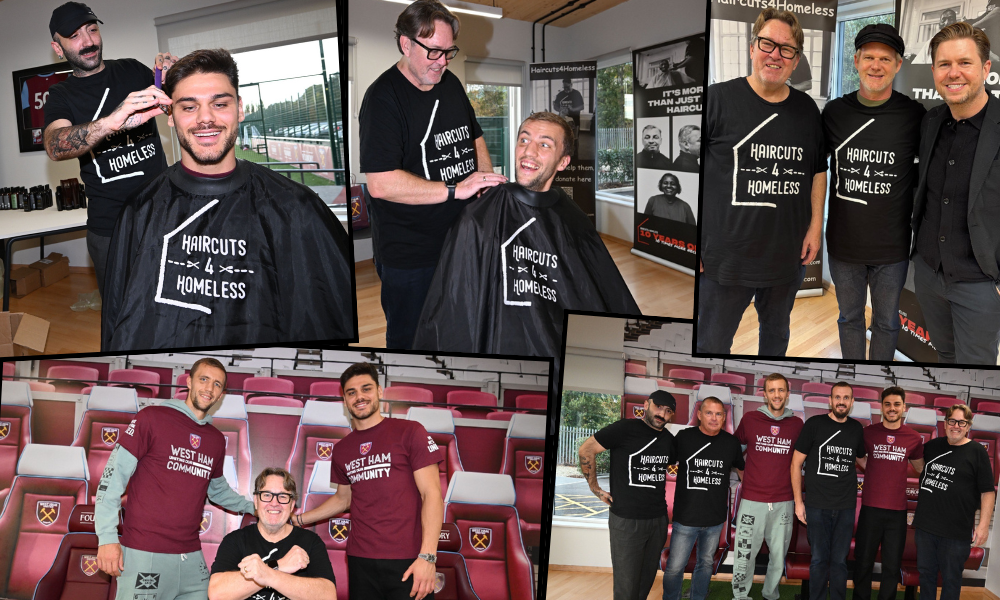
The Alternative Hair Show founder and London-based hairdresser Tony Rizzo has been awarded an MBE for his exceptional charitable contributions to leukemia research and support for children battling the disease.

by MADDI | INDUSTRY NEWS

Over the past 40 years, Tony has raised more than £15 million for leukemia and blood cancer charities, a mission inspired by a deeply personal loss. After his first-born son, Valentino, passed away from leukemia in 1983, Tony pledged to help save other children from the disease. Alongside his wife Maggie, Tony called on the hairdressing community to join an ambitious new charity initiative – the Alternative Hair Show. 

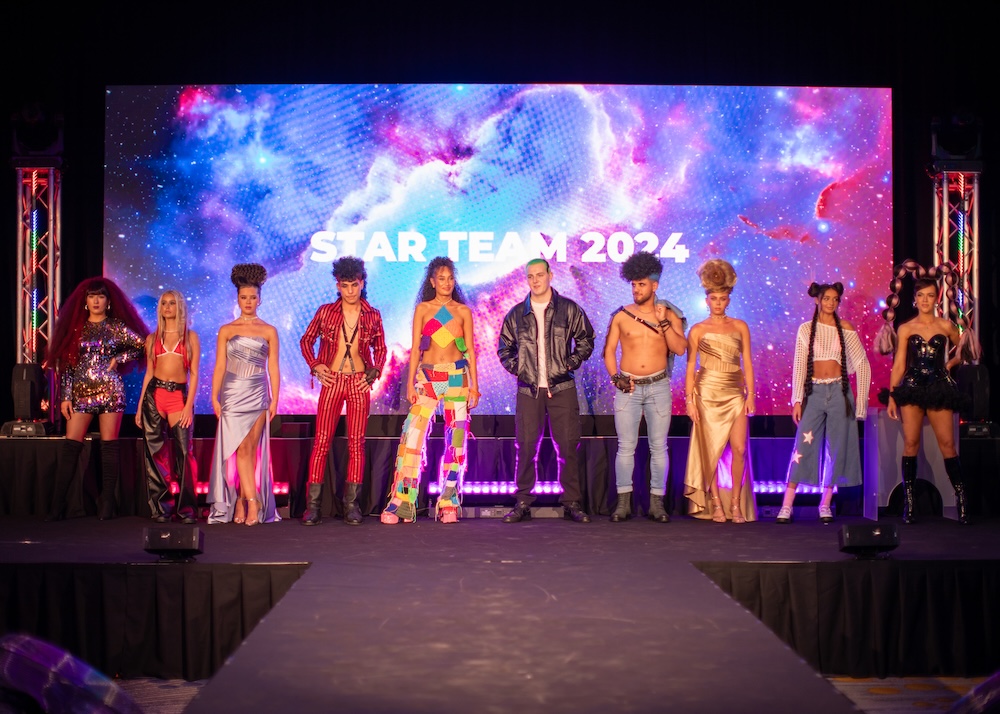
The inaugural show debuted at London’s Camden Palace in October 1983, raising £7,500 for Leukemia & Lymphoma Research (now Blood Cancer UK). This innovative fusion of creativity and compassion quickly gained momentum, becoming an annual fixture and one of the most anticipated events in the global hairdressing calendar. Today, the Alternative Hair Show unites hair creatives from around the world, showcasing extraordinary talent while raising vital funds for leukemia research. 

The show’s impact extends beyond the stage. Funds from ticket sales and in-event appeals have also provided families with children undergoing treatment for leukemia much-needed respite. From day trips to London Zoo and Legoland to weekend getaways at Disneyland Paris, these experiences offer families joy and relief during challenging times. Each child and parent also receives a goodie bag filled with thoughtful gifts donated by supporters in the hairdressing industry. 

Tony Rizzo’s MBE is a testament to his unwavering dedication to making a difference. The entire hairdressing community celebrates this well-deserved recognition of his remarkable legacy. 

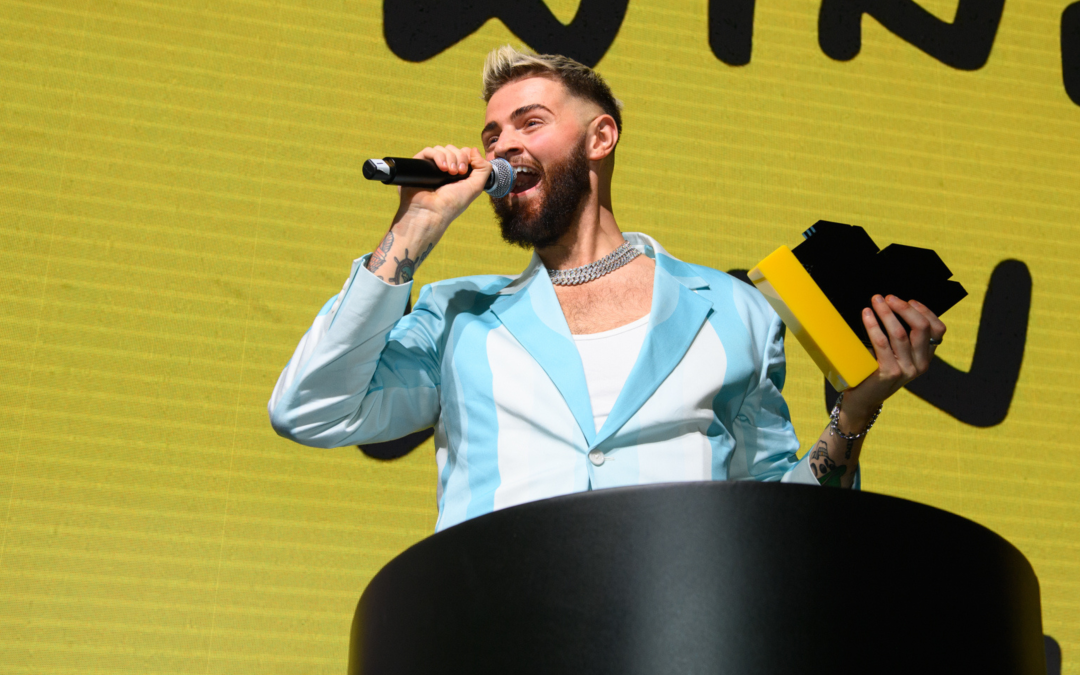
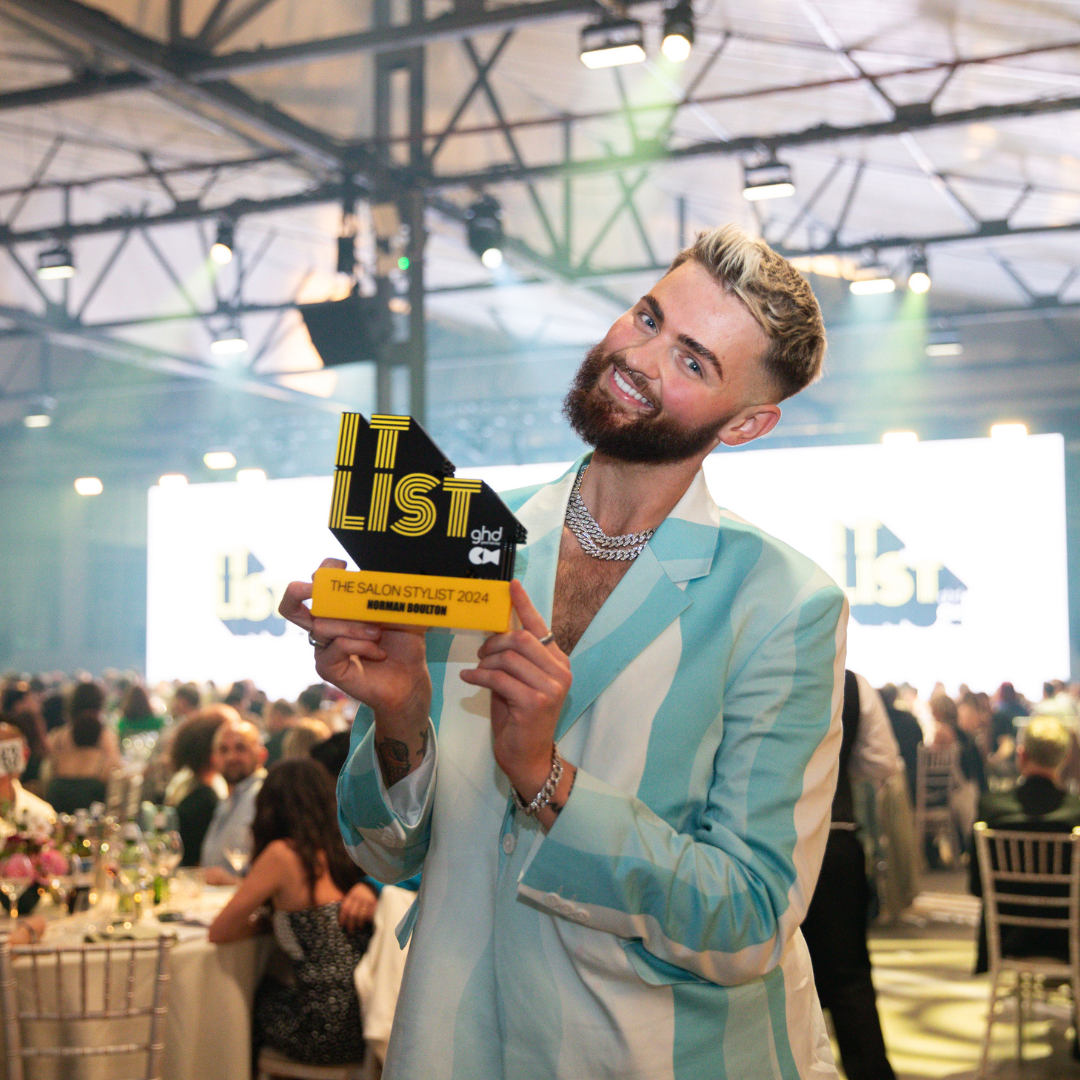
The It List’s Salon Stylist, Norman Boulton, has Decided to Become His Own Boss

The It List’s Salon Stylist, Norman Boulton, has Decided to Become His Own Boss

The It List’s Salon Stylist, Norman Boulton, has Decided to Become His Own Boss

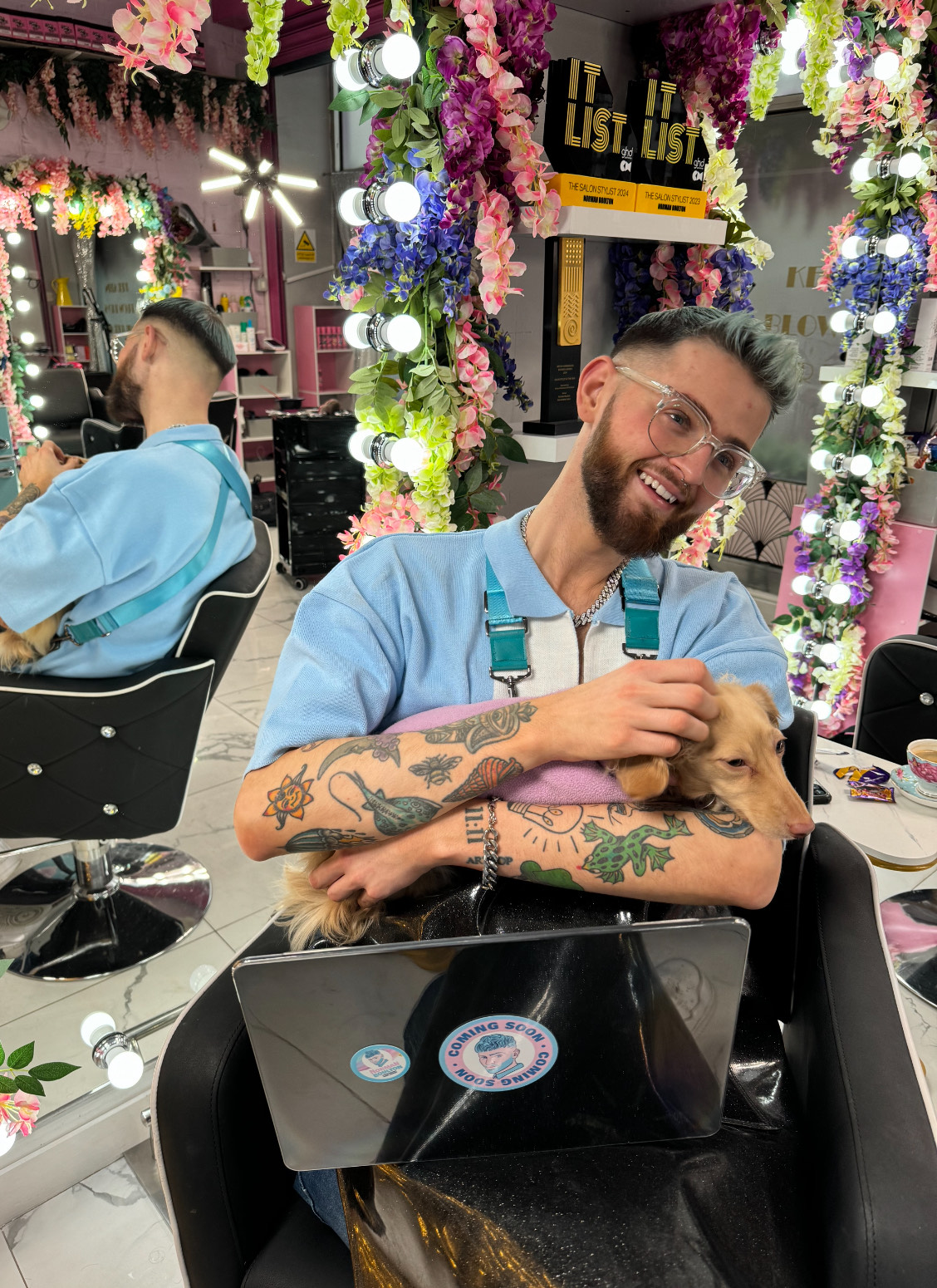
One month into the transition, Norman shares stories of running his own business, chasing his dreams and building on his hard work at Not Another Salon to become his own boss 

by CAITLYN | CONVERSATIONS

Norman Boulton’s journey is one of reinvention and the pursuit of authenticity. Transitioning from winning the Creative HEAD It List Salon Stylist award while working at the iconic Not Another Salon to becoming his own boss at Glitterdoll Balayage in Highgate brought new challenges and opportunities. One month into the transition, Norman shares his lessons from carving out his own path for stylists considering a similar leap. 

Leaving the vibrant energy of Brick Lane behind was no small decision. Norman had built a reputation at Not Another Salon, a space as colourful and creative as his own approach to hairdressing. Founded by Sophia Hilton, the salon was not just a workplace but a source of inspiration. “I’ve always admired Sophia,” Norman says. “She built something truly iconic, and I learned so much from being part of her team.” But when the time came to step out on his own, Norman knew it was the right move. “I’d been thinking about it for years,” he admits. “I waited a long time for this opportunity and jumped when it came.” 

Setting up shop in Highgate, known for its quieter charm and North London clientele, marked a stark contrast to his previous environment. “It’s a completely new area for me,” he explains. “I had no expectations about who would follow me.” Instead of dwelling on what he was leaving behind, Norman focused on creating a warm, welcoming space that would attract a fresh clientele. “I wanted people to feel like family when they walked through the door.” 

The transition to running his own business came with its fair share of challenges. From creating his own booking system to navigating the financial realities of being self-employed, Norman faced a steep learning curve. “The uncertainty was the hardest part,” he admits. “You’re not just doing hair anymore – you’re running a business.” 

Fortunately, he found support in the form of an accountant specialising in the hair industry. “She’s been incredible, helping me figure out the whole tax thing, which is so confusing,” Norman explains. This support allowed him to focus on growing his clientele while easing the logistical burden of managing his finances. 

Social media also played a pivotal role in his early success. Having built a loyal following over eight years of consistent posting, Norman leaned on Instagram to spread the word about his new venture. “What you put into it really is what you get back,” he says. “You just need to keep it authentically you.” 

Norman began posting regularly when he first started at Not Another Salon, inspired by its reputation as a social media trailblazer. “It was so iconic, especially when it first opened,” he recalls. “I wanted to have a page of my own work and my own messages.” His dedication to creating high-quality, engaging content has paid off in spades, helping him build a personal brand that extends far beyond the salon. 

Now, as his own boss, Norman’s Instagram plays a pivotal role in his business strategy. “Social media has changed my life,” he says. “I’ve been able to get booked in America with my reach.” From showcasing his latest work to connecting with new clients, his online presence is a cornerstone of his success. Norman even dedicates one day a week to social media and admin tasks, ensuring his content remains fresh and engaging. “You’ve got to give it the attention and love it deserves,” he adds.

As Norman adjusts, he has discovered the importance of balance. Initially, he filled his schedule to capacity, eager to establish himself. “I was in a scarcity mindset at first,” he confesses. “I overbooked myself just to feel secure.” 

However, with time, he realised that structure was essential for sustaining his energy and creativity. Norman now dedicates one day a week to admin tasks, which allows him to be fully present with clients during salon days. “When I’m with clients, I’m 100 per cent there. And when I’m doing admin, I give it the attention it deserves,” he explains

This approach has not only helped Norman manage his workload but has also opened the door to new opportunities beyond the salon. 

While his initial focus was on building a client base, opportunities for education have started to flow in naturally. “In the past few weeks, brands have reached out to me,” he says. “It’s amazing how quickly things are happening now.” For Norman, these opportunities represent the next stage of his career. “Education makes my inner child so happy,” he adds. “Some of my best career moments have been while teaching.” 

Education has always been a passion for Norman and now he’s embracing it more than ever. Inspired by industry icons like the owner of Not Another Salon, Sophia Hilton, and colourist Lesley Jennison, Norman is carving his own path in this space. “Sophia and Lesley are just so cool,” Norman says. “They make it look so effortless. Watching someone who’s dedicated most of their life to their career is so inspiring.” 

Sophia’s ability to juggle salon ownership and education left a lasting impression on Norman. “I’ve learned so much from her approach,” he shares. “She’s shown me what’s possible when you’re passionate and committed.”  

At the heart of Norman’s journey is his commitment to authenticity. From his vibrant social media presence to the intimate relationships he builds with clients, staying true to himself has been the cornerstone of his success. “I love what I do, and I think that passion resonates with people,” Norman says. 

His Instagram reflects his creativity and personality. “It’s a mix of hairdressing, humour and colour work,” he explains. “It’s a way to show who I am and connect with people on a deeper level.” For Norman, being authentic isn’t just a strategy – it’s a way of life. 

“Greatness doesn’t come from your comfort zone,” he says. And for Norman, the leap into independence has been worth every step. 

The Wonderful World of Wicked’s Hair Design: An Exclusive Conversation with award-winning hair artist, Frances Hannon

The Wonderful World of Wicked’s Hair Design: An Exclusive Conversation with award-winning hair artist, Frances Hannon

The Wonderful World of Wicked’s Hair Design: An Exclusive Conversation with award-winning hair artist, Frances Hannon 

Behind the scenes with the creative force who gave each corner of Oz its own hair identity in this year’s most-discussed film 

by CAITLYN | CONVERSATIONS

Frances Hannon
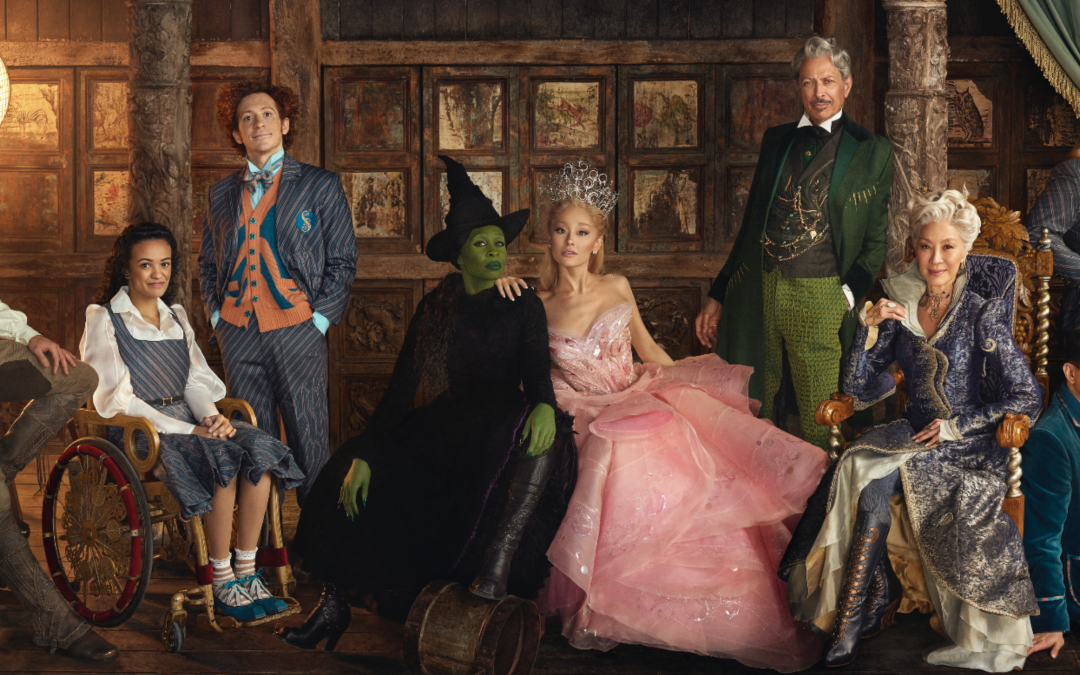
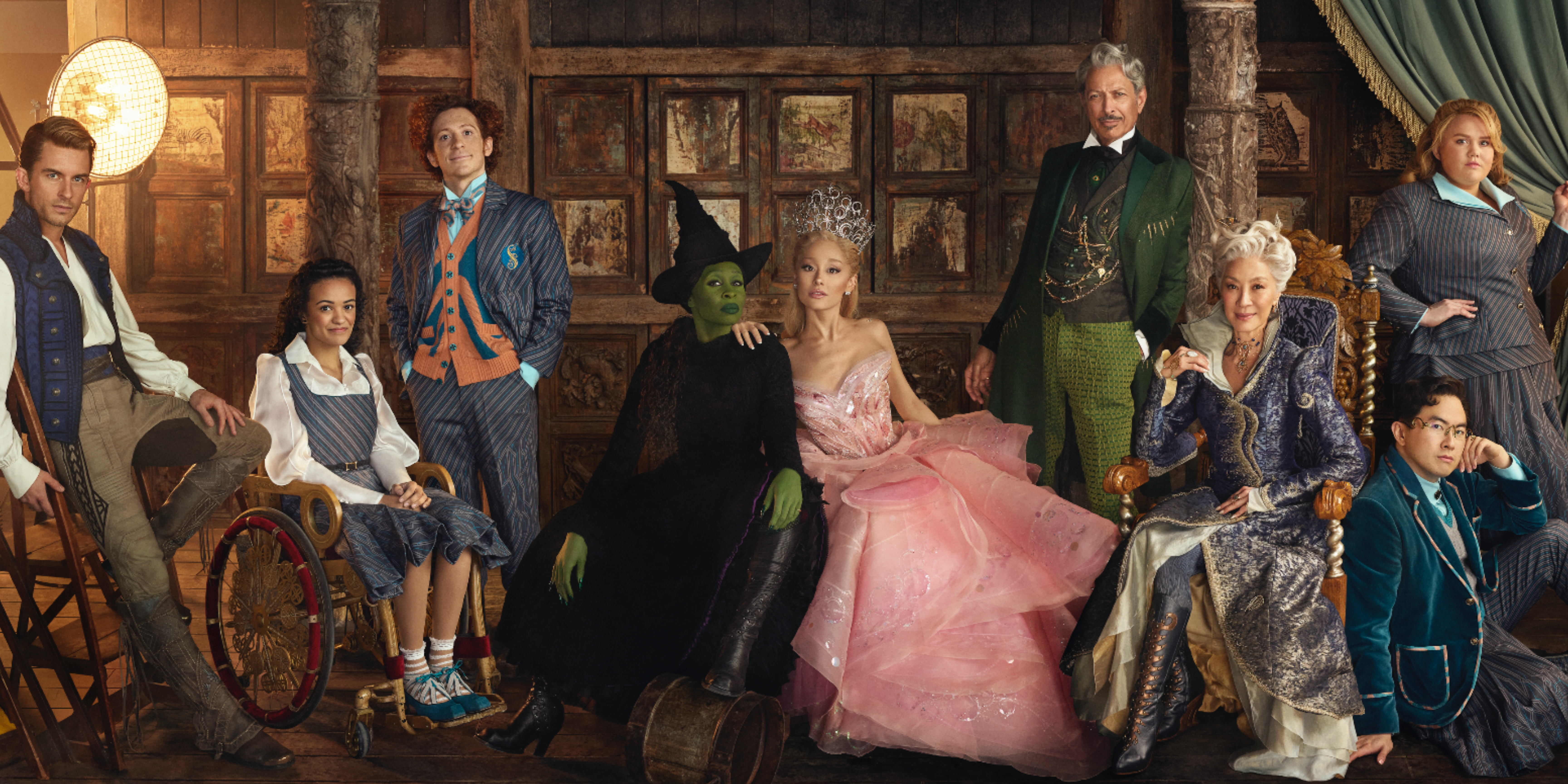
When tasked with creating the hair designs for one of the most anticipated film adaptations of the decade, Frances Hannon knew she had to strike a delicate balance between honouring the beloved source material and crafting something timelessly cinematic. As the award-winning hair designer reveals in our exclusive interview, bringing Oz to life required an army of talented artists, innovative techniques and meticulous attention to detail. Having just completed what she describes as “maybe the hugest creative film I have ever had the pleasure of working on,” the veteran hair designer is eager to share the magic behind bringing Oz to life, one strand at a time. 

From 4 AM call times to managing teams of over 100 artists, the scale of Wicked‘s production required military-like precision combined with creative innovation. “We had roughly 300 crowd in the chair, as well as 80 plus principals on set at a given time,” Frances explains. “The main actors, like Cynthia and Ariana, would often be in the chair at 5 AM, which means your artists are there at 4:30 to be ready and set up for them.” 

But such a massive undertaking doesn’t materialise overnight. Let’s go back to the beginning of the story, before the magic of Oz came to life, before the first wig was styled or character was designed. 

 “When Wicked came out, I took my two daughters to see it several times because they adored it,” she shares. “I loved the theatre production, and The Wizard of Oz was such a part of my world growing up. So, when Jon [Chu] chose me, I felt incredibly lucky.” 

This personal passion shaped Frances’ approach, but collaboration was key. Working closely with costume designer Paul Tazewell and director Jon M. Chu, she developed distinct visual identities for every corner of Oz. “We weren’t tied to anything,” Frances explains. “Jon and Marc [Platt, producer] were wonderful collaborators and allowed me to bring all my ideas to the table.” 

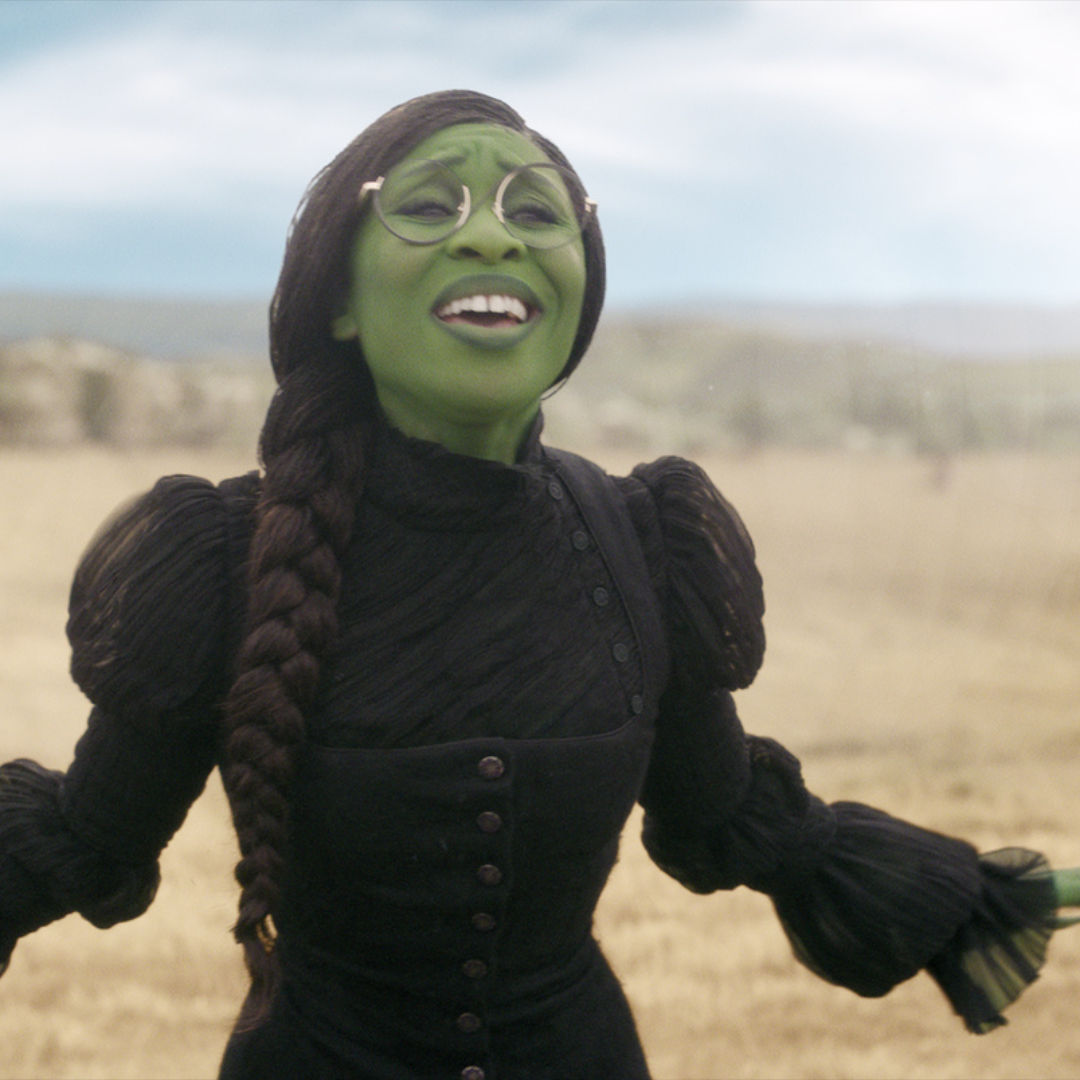
The process began with the principal characters. An early test with Cynthia Erivo revealed a critical insight for Elphaba. “We had the green ready, but the original hair colour didn’t work. It was immediately clear that it needed adjustment,” she recalls. 

The Inspiration  
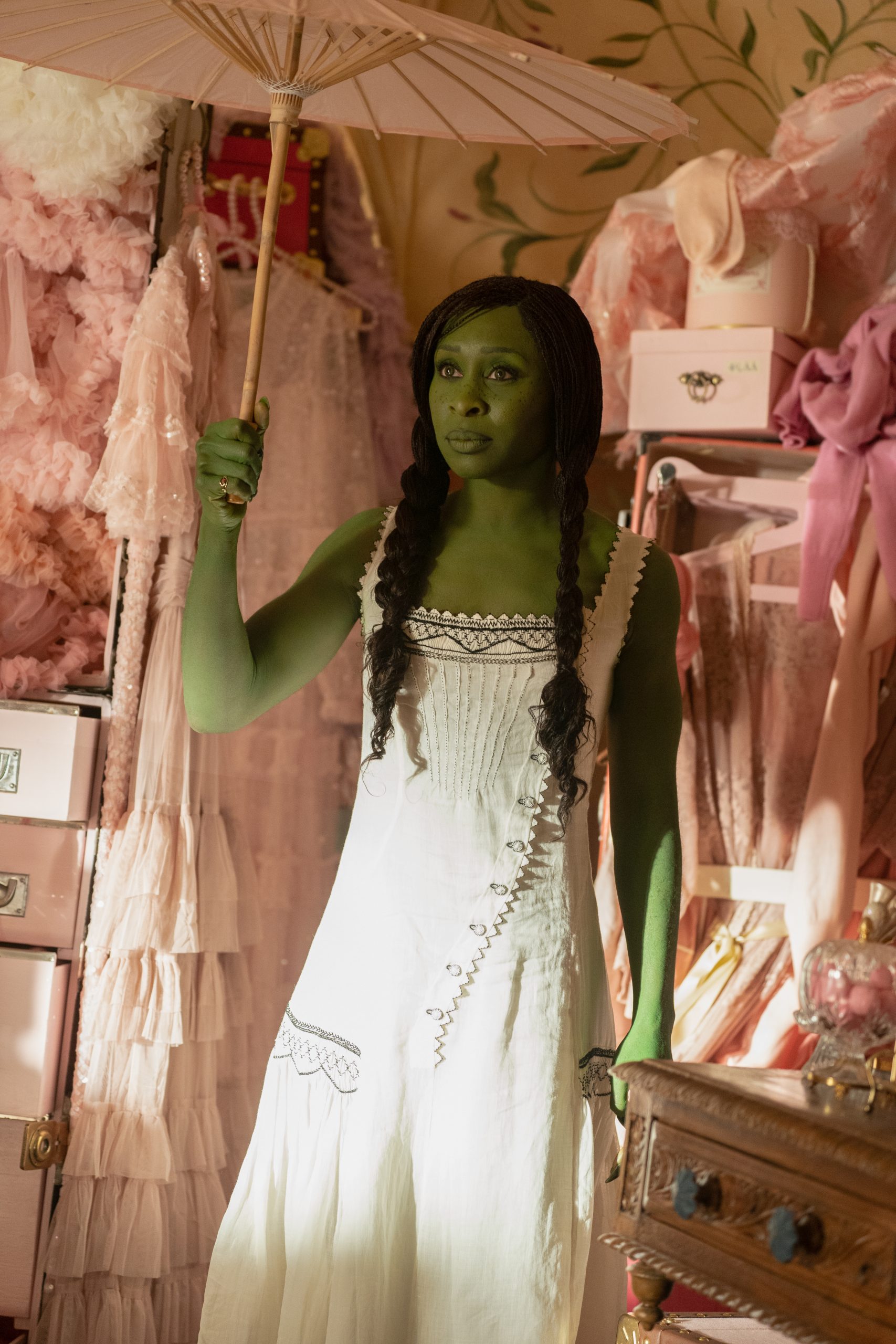
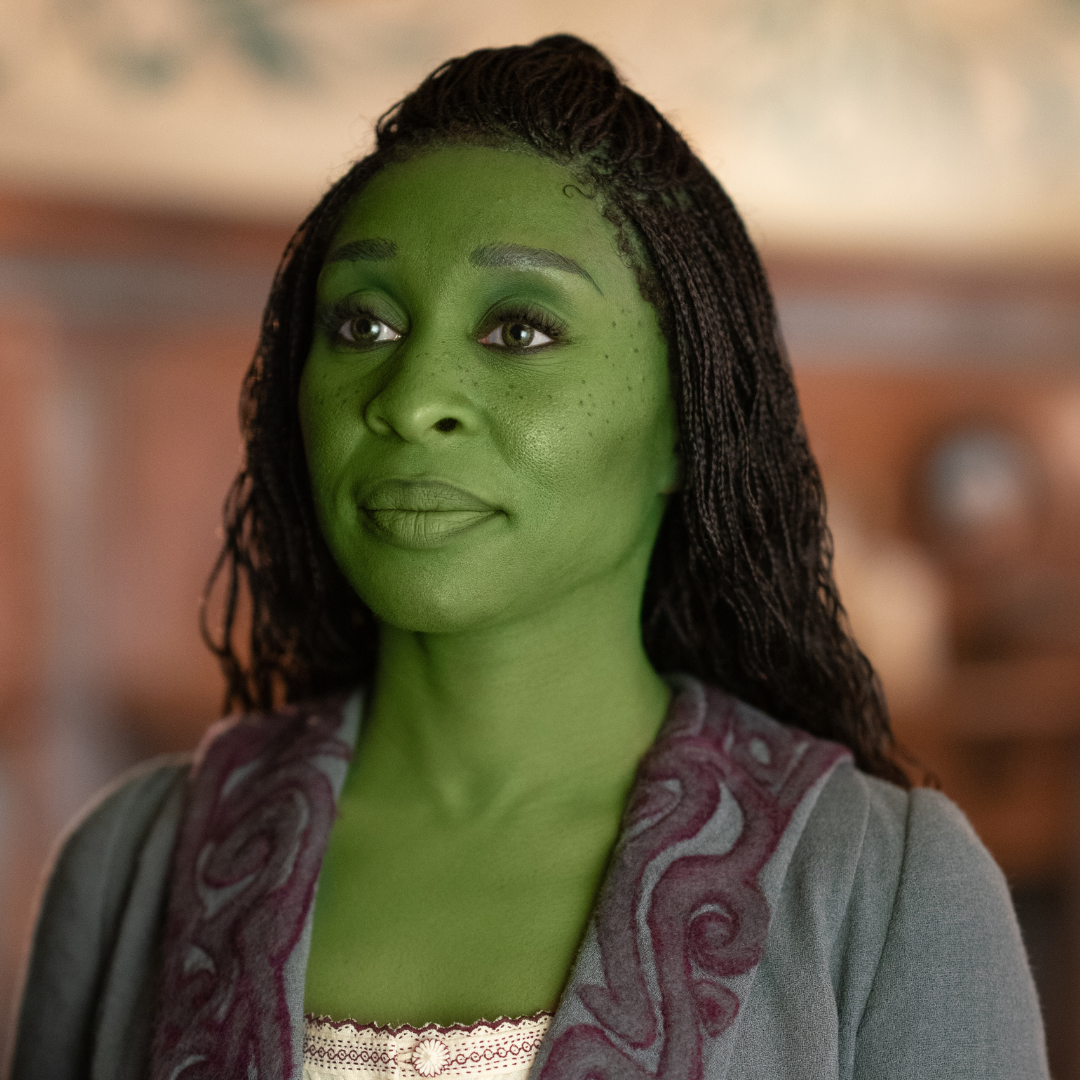
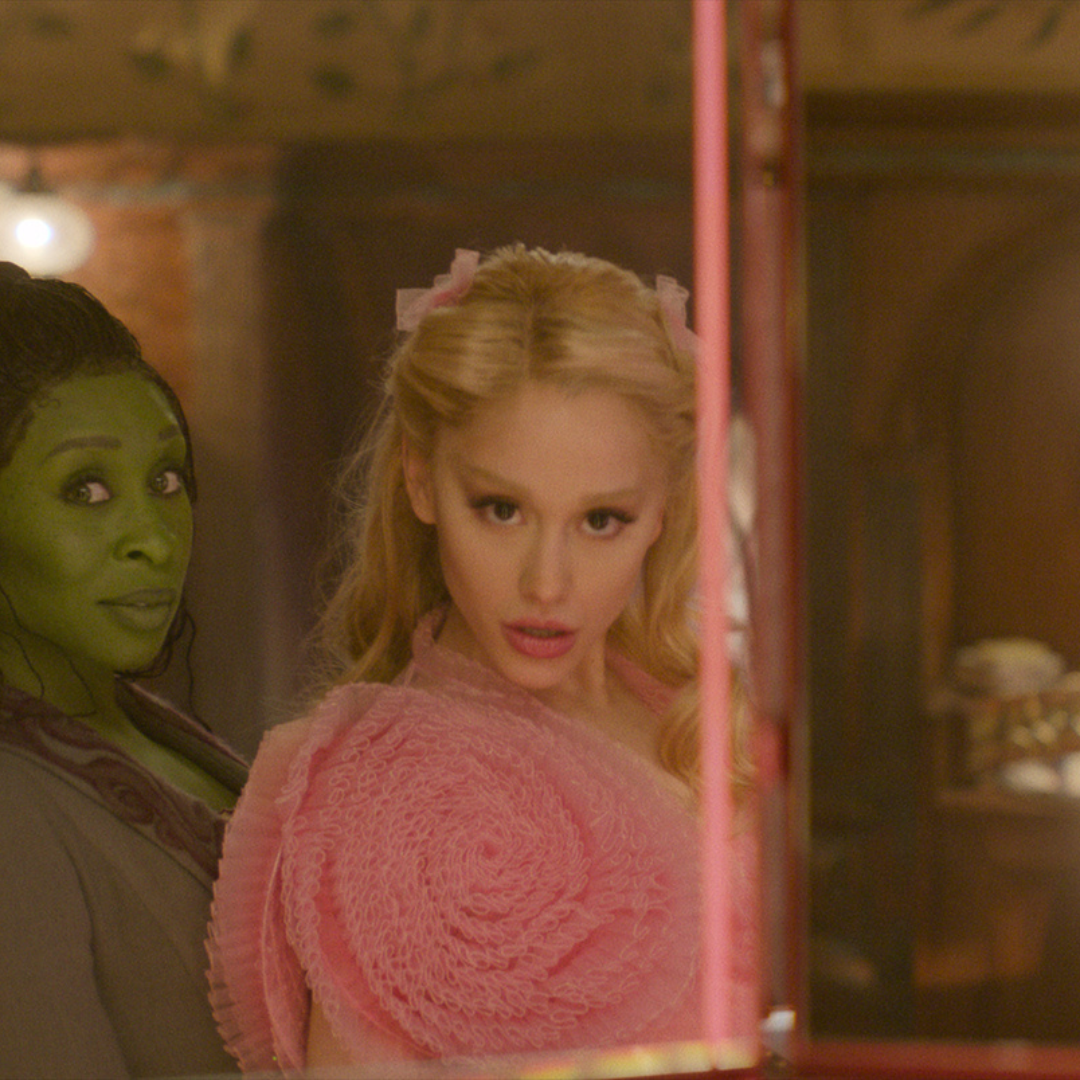
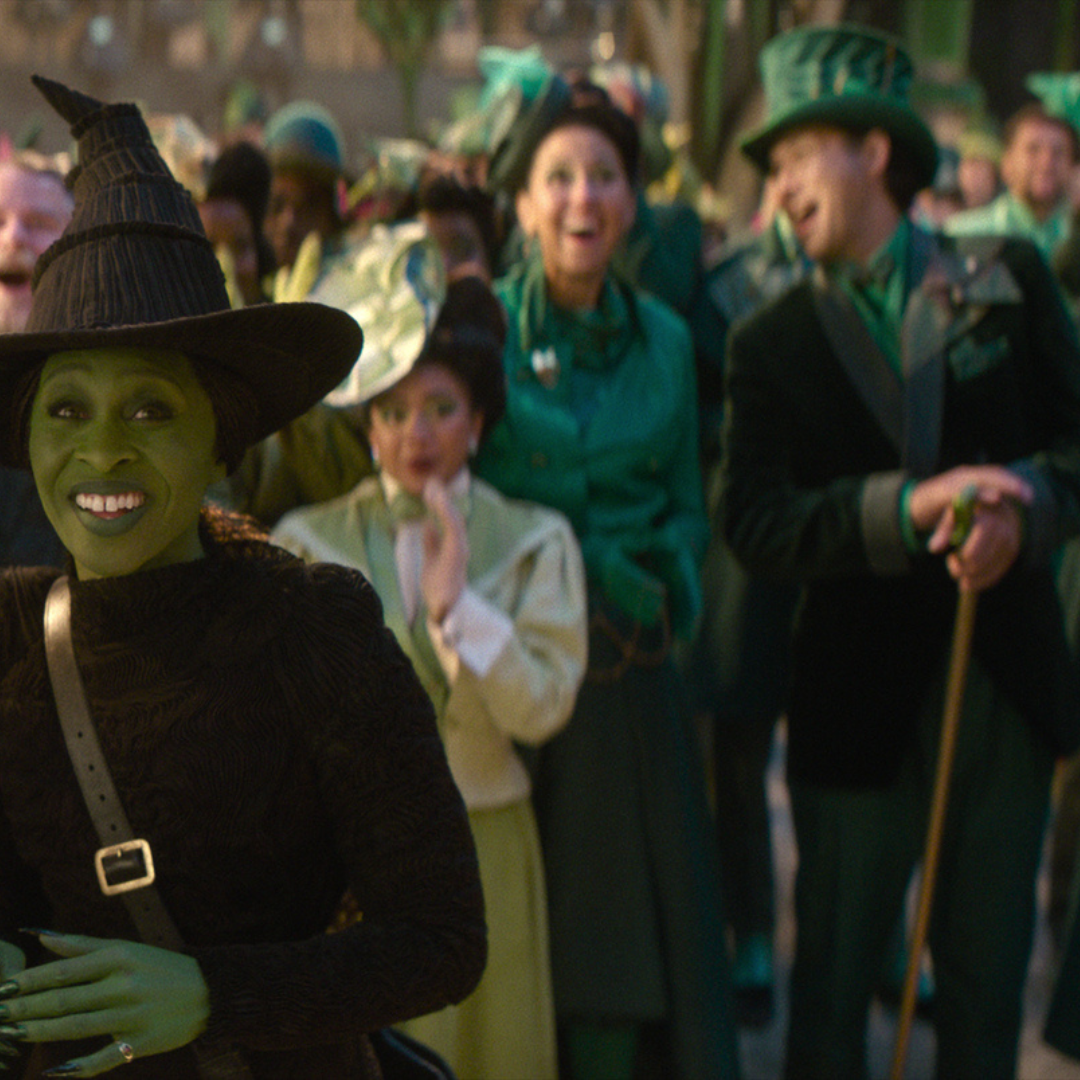
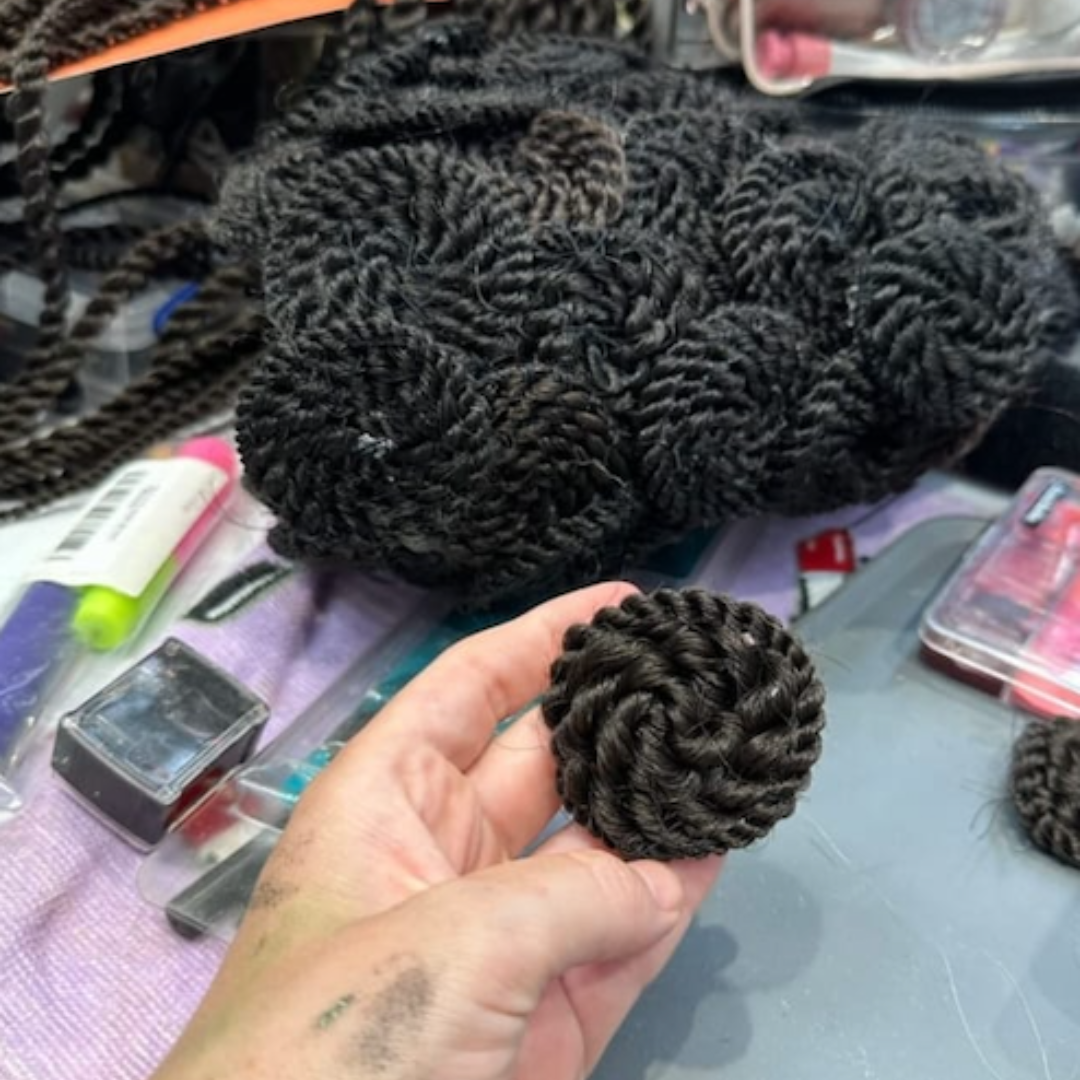
For Elphaba, the journey is reflected in her hair. “Elphaba as a character has no vanity,” Frances explains. The solution came in the form of micro braids, which brought depth, texture, and a sense of history. “It really had a background to it that worked for our Elphaba,” she says. 

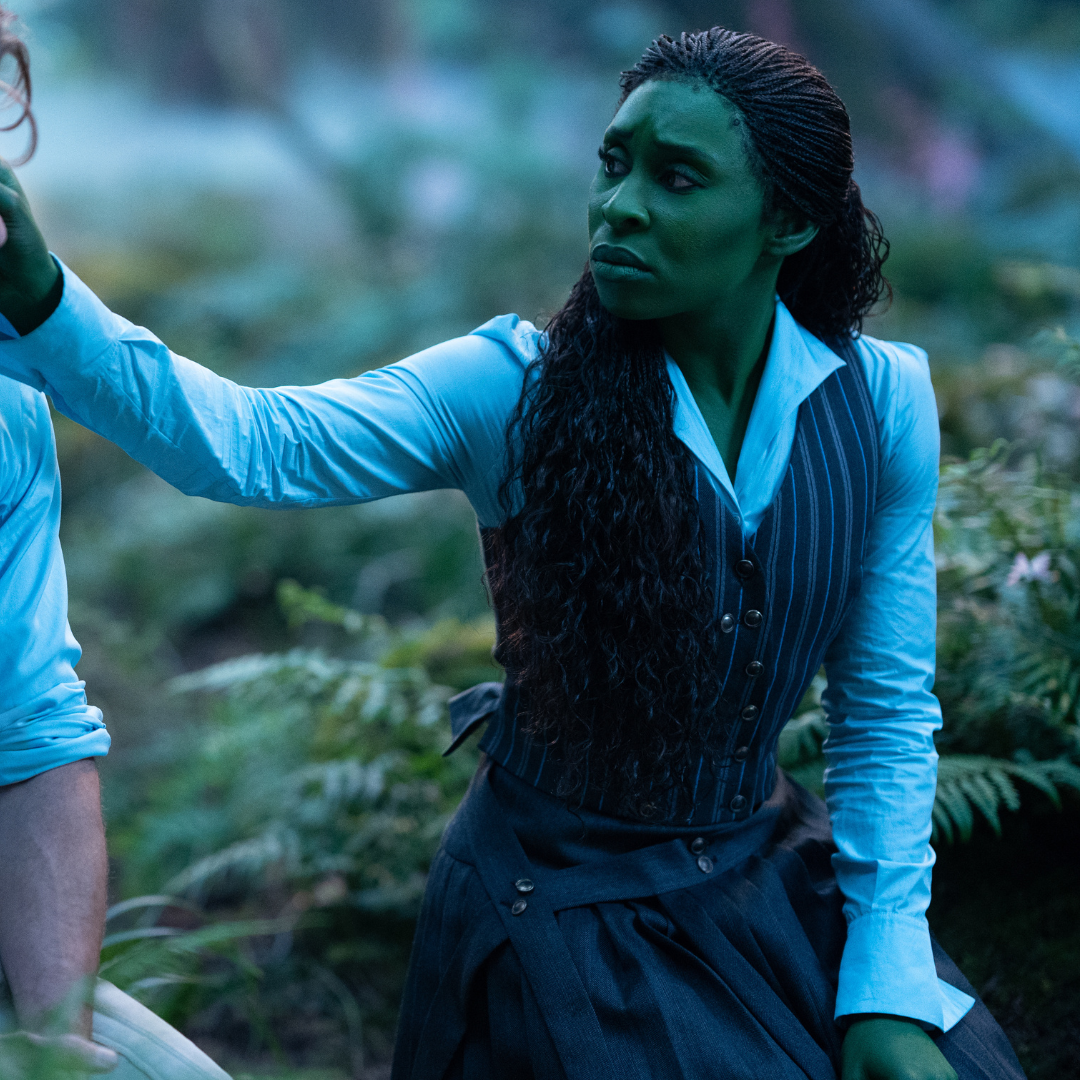
As Elphaba grows in her power, her hair evolves subtly. “We made her hair longer, darker, and slightly wilder to reflect her strength,” Frances adds. These changes had to work in harmony with the rest of her design. “With the dark hat and high-necked black costumes, it was important to keep her face clear so the audience could always read her emotions.” 

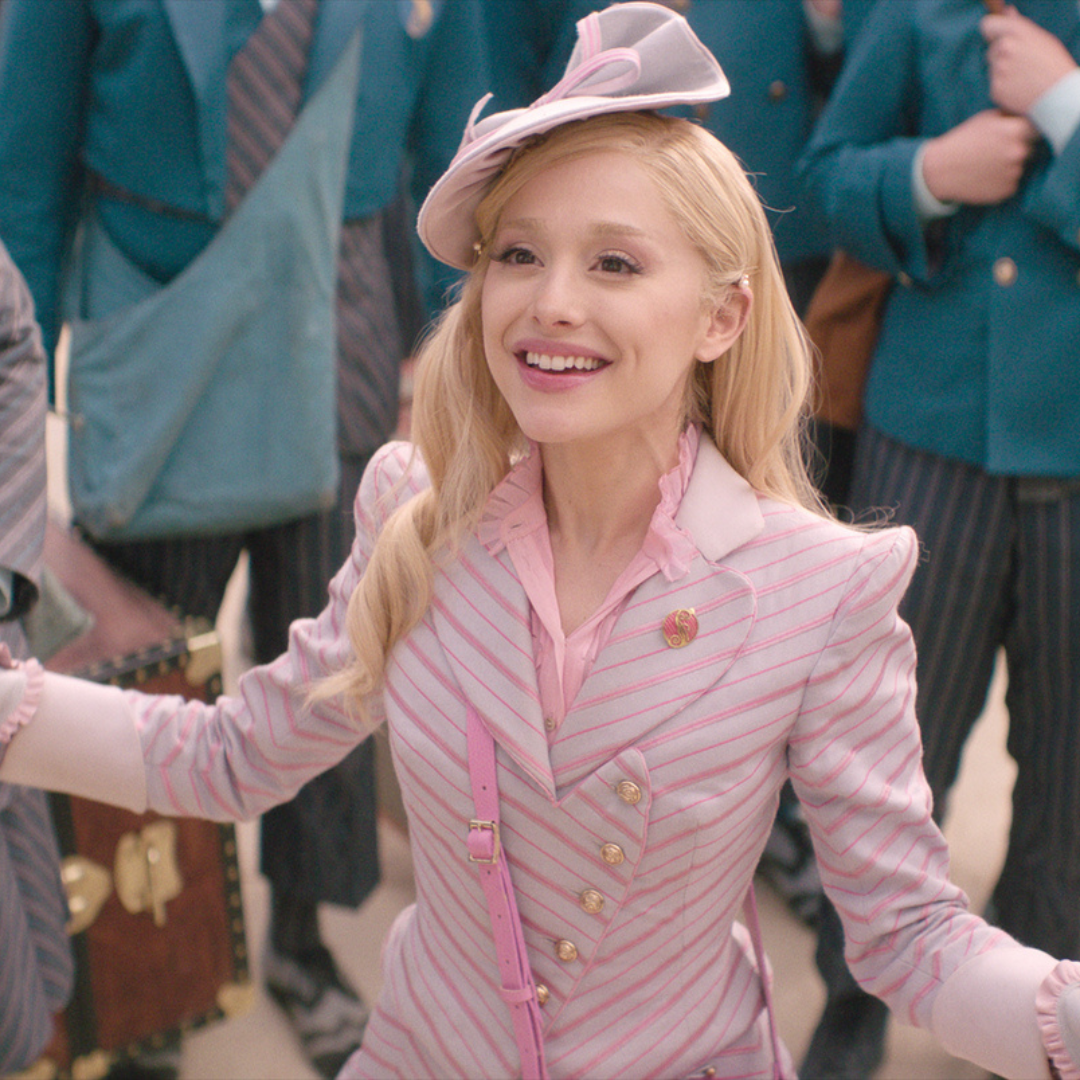
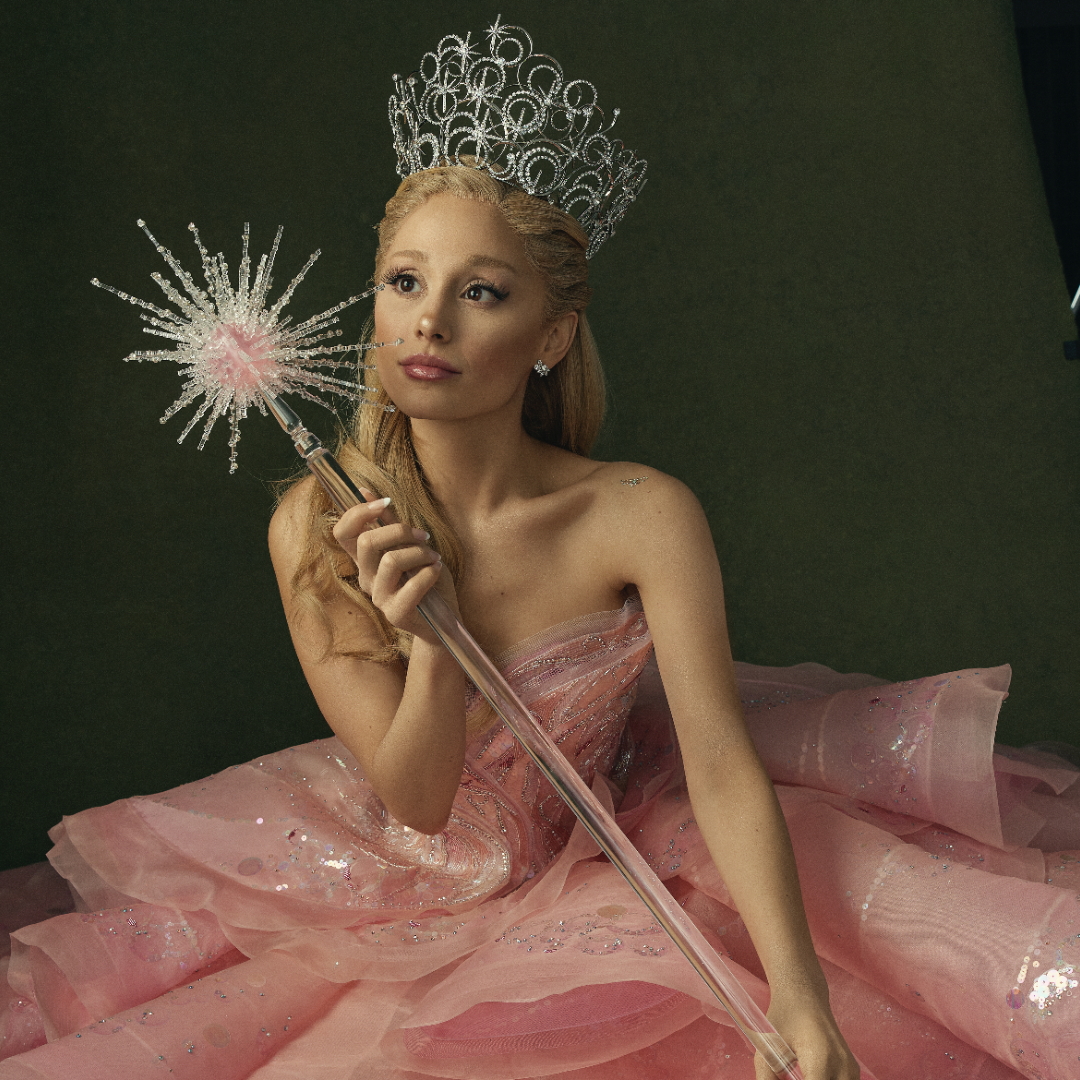
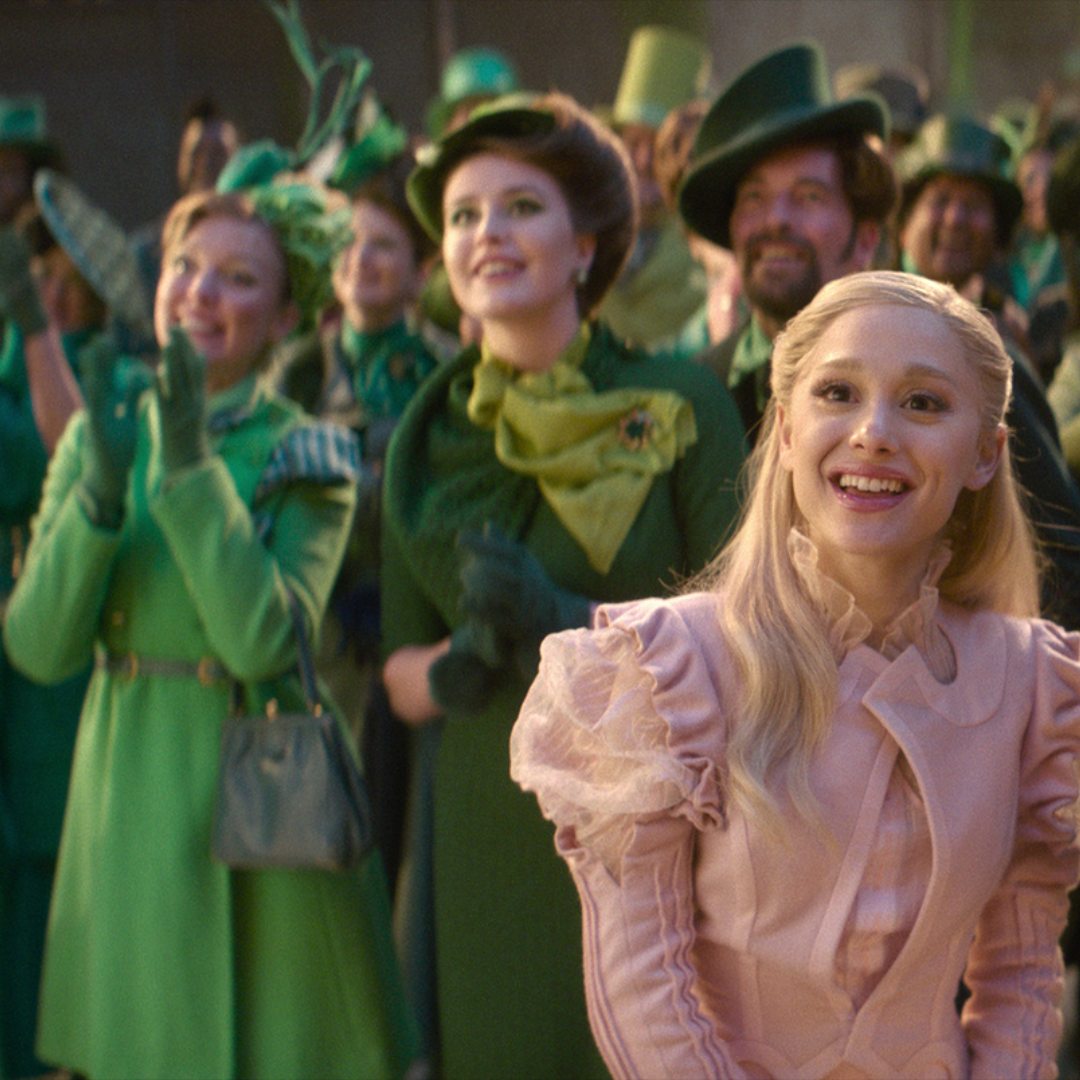
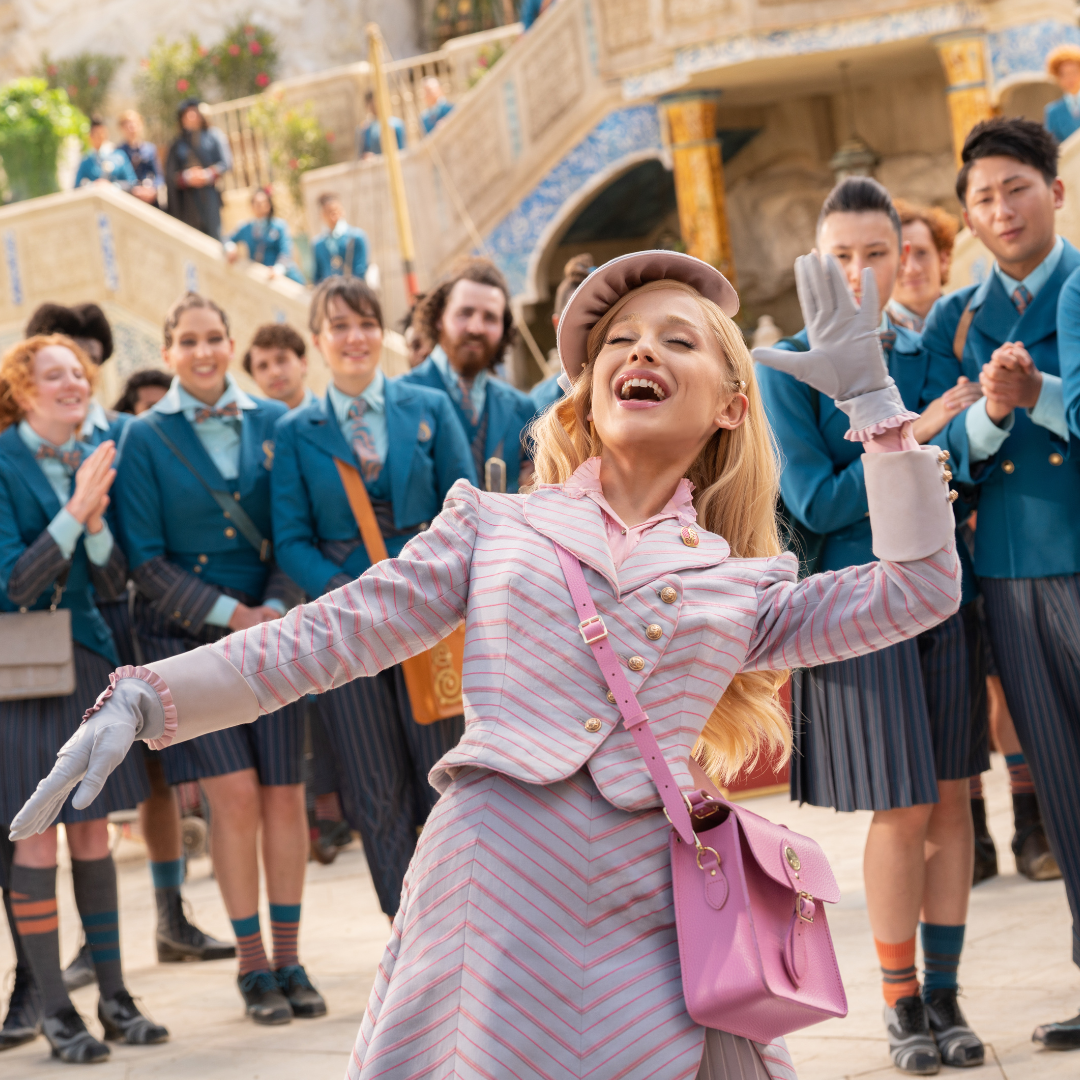
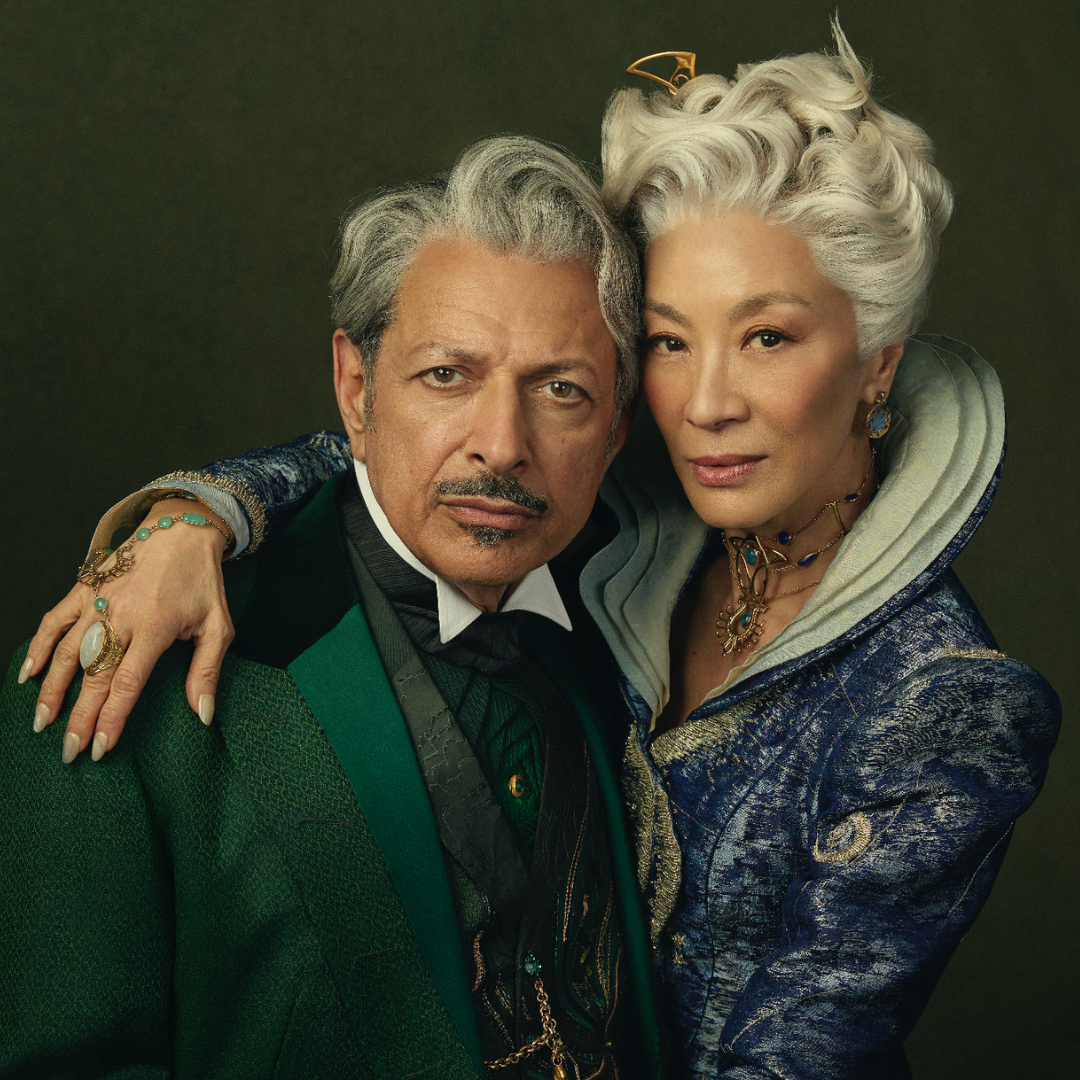
For Glinda, the keyword was “timeless.” Frances designed her early look to feel soft, accessible and glamorous. “For her younger days, we kept her hair shorter, a much warmer blonde, and styled it very simply — like a little clip to one side, sort of keeping her quite old Hollywood looking, but being very accessible to our world now,” she explains. 

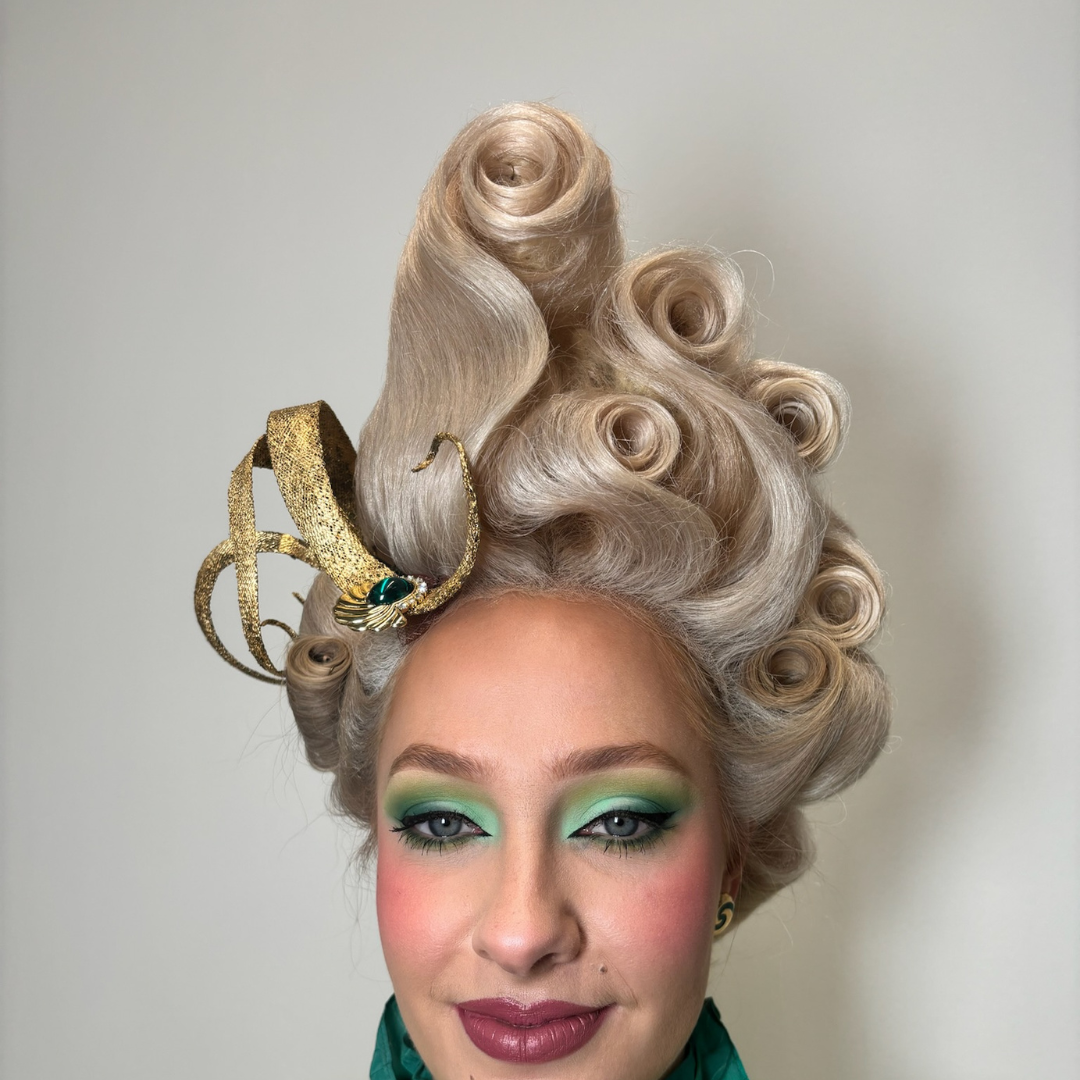
As Glinda steps into her role as the Good Witch, her hair transforms into something more elaborate. “It becomes longer, paler and the styling follows the curves of the set and costume design,” Frances notes. “We wanted her look to feel timeless, so it could still resonate in 30 or 40 years.” 

But creating these distinct character looks was only part of the challenge. Frances and her team had to develop unique visual identities for each region of Oz, ensuring that every citizen’s hair told a story about where they came from and their place in this magical world. 

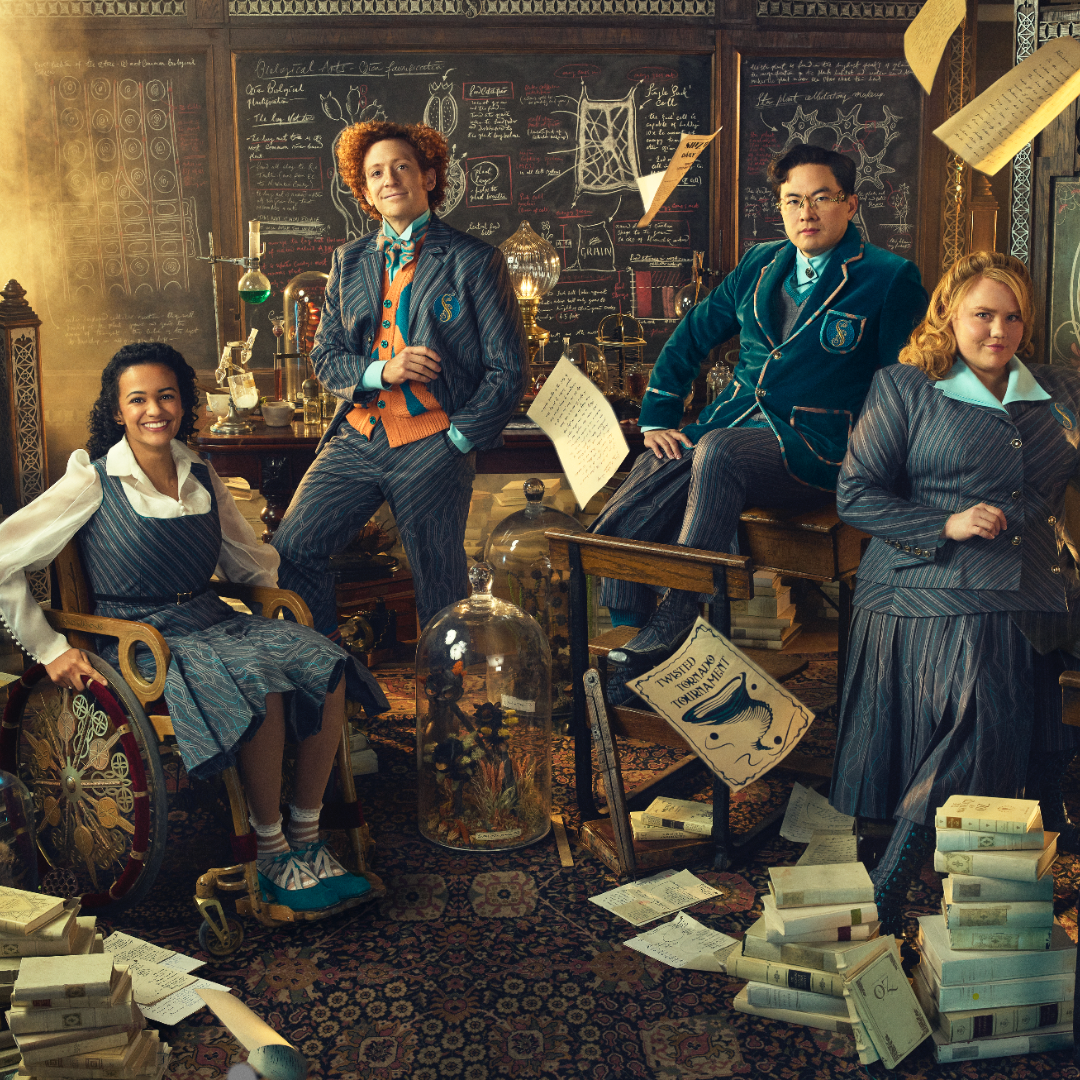
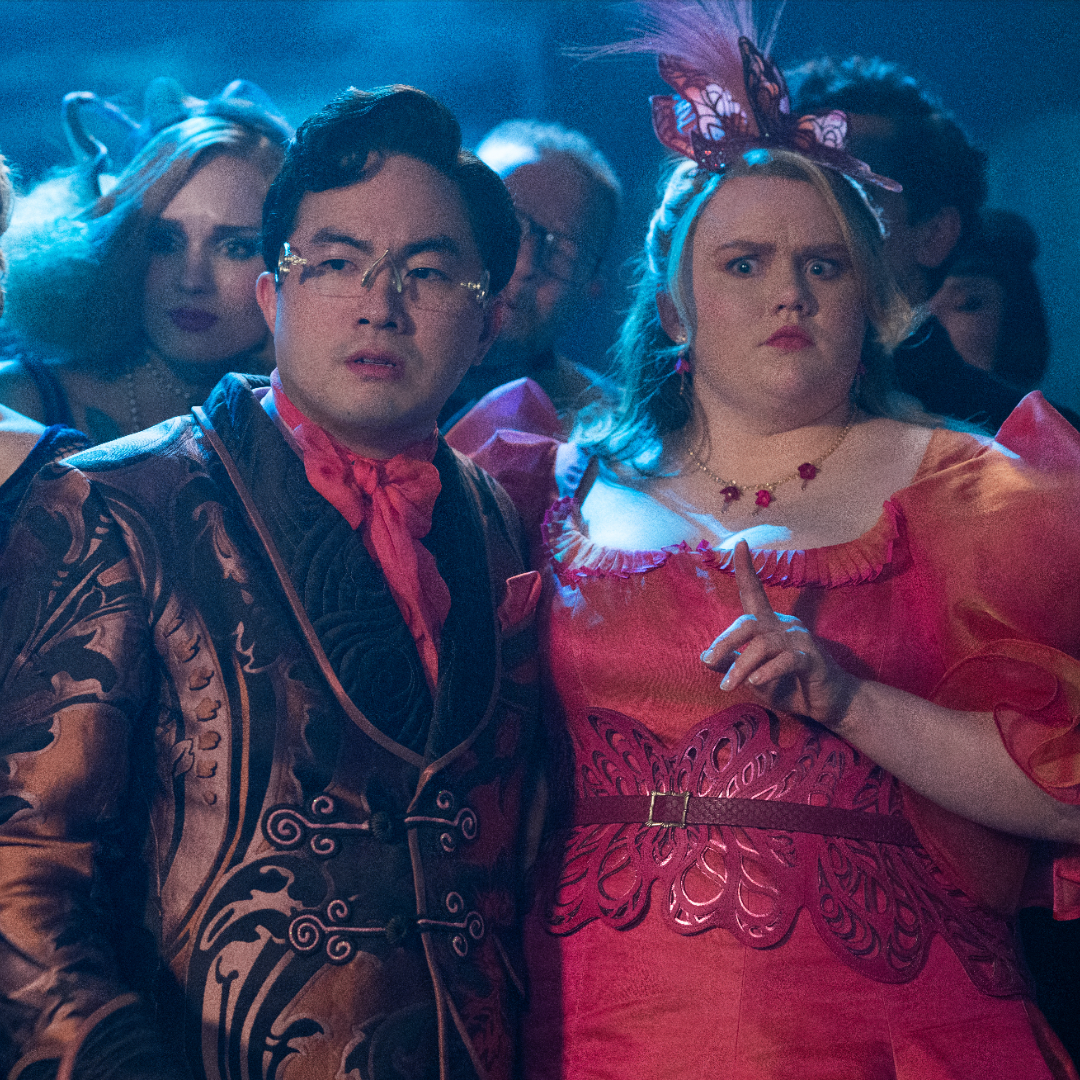
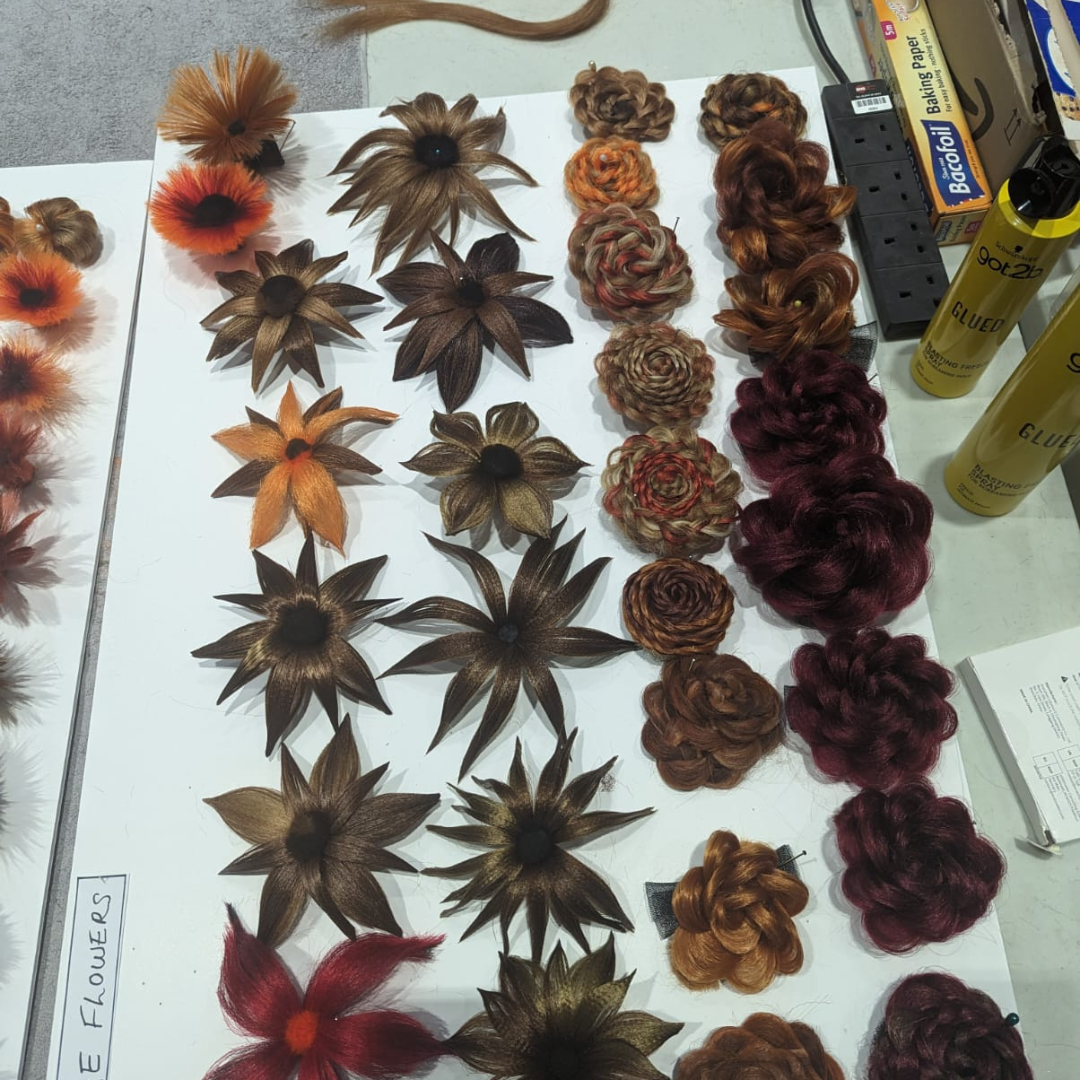
For Munchkinland, the aesthetic was textured and colourful. “It’s an agricultural region — their hands are stained with tulip dye, and their hair reflects that working life,” Frances explains. “We went for reds of a million shades and simple styles as if they’d done it themselves under their hats.” These choices weren’t just aesthetic – they helped identify Munchkins even when they appeared in other settings. “You had to be able to distinguish them in any room, like in the Shiz University, or Ozdust Ballroom.” 

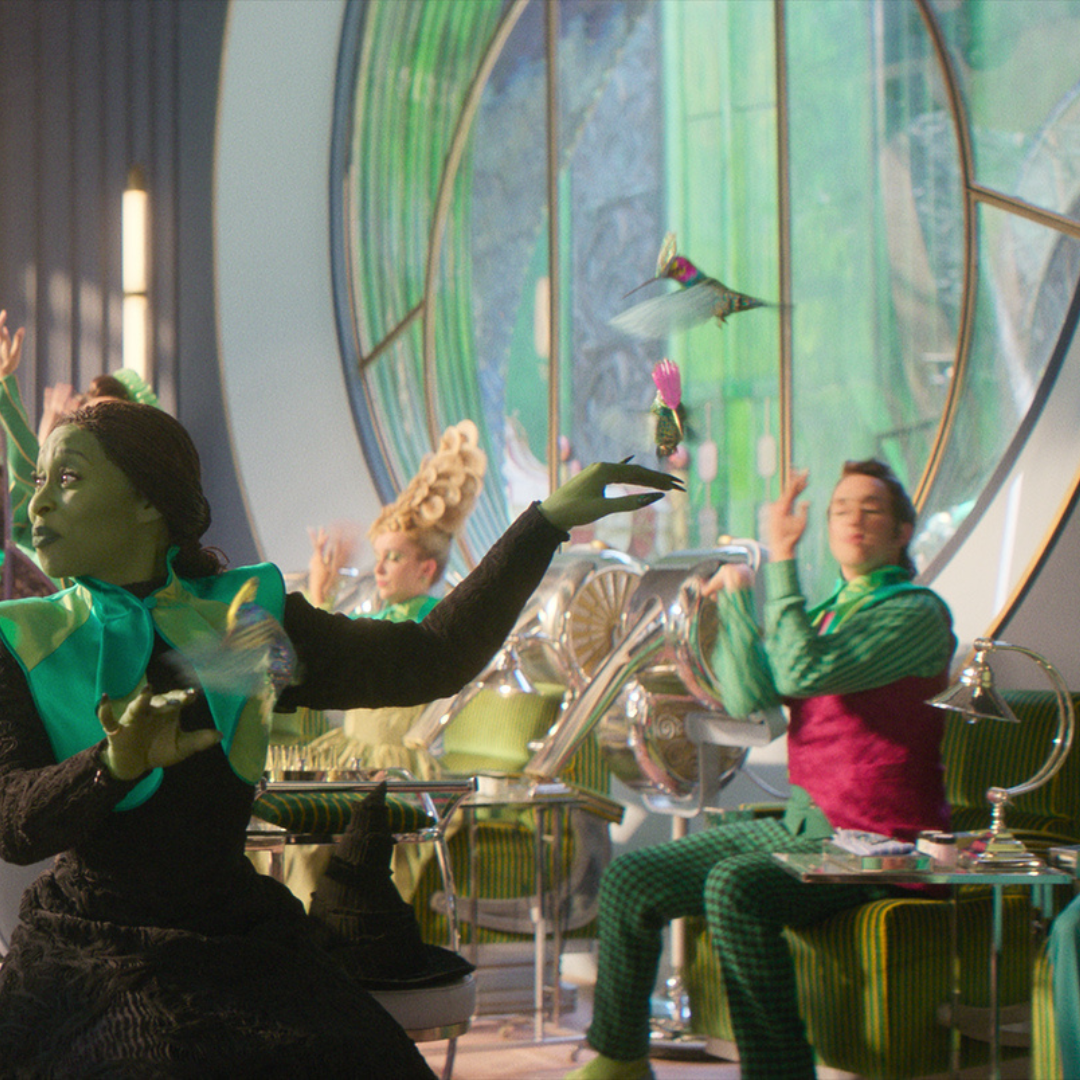
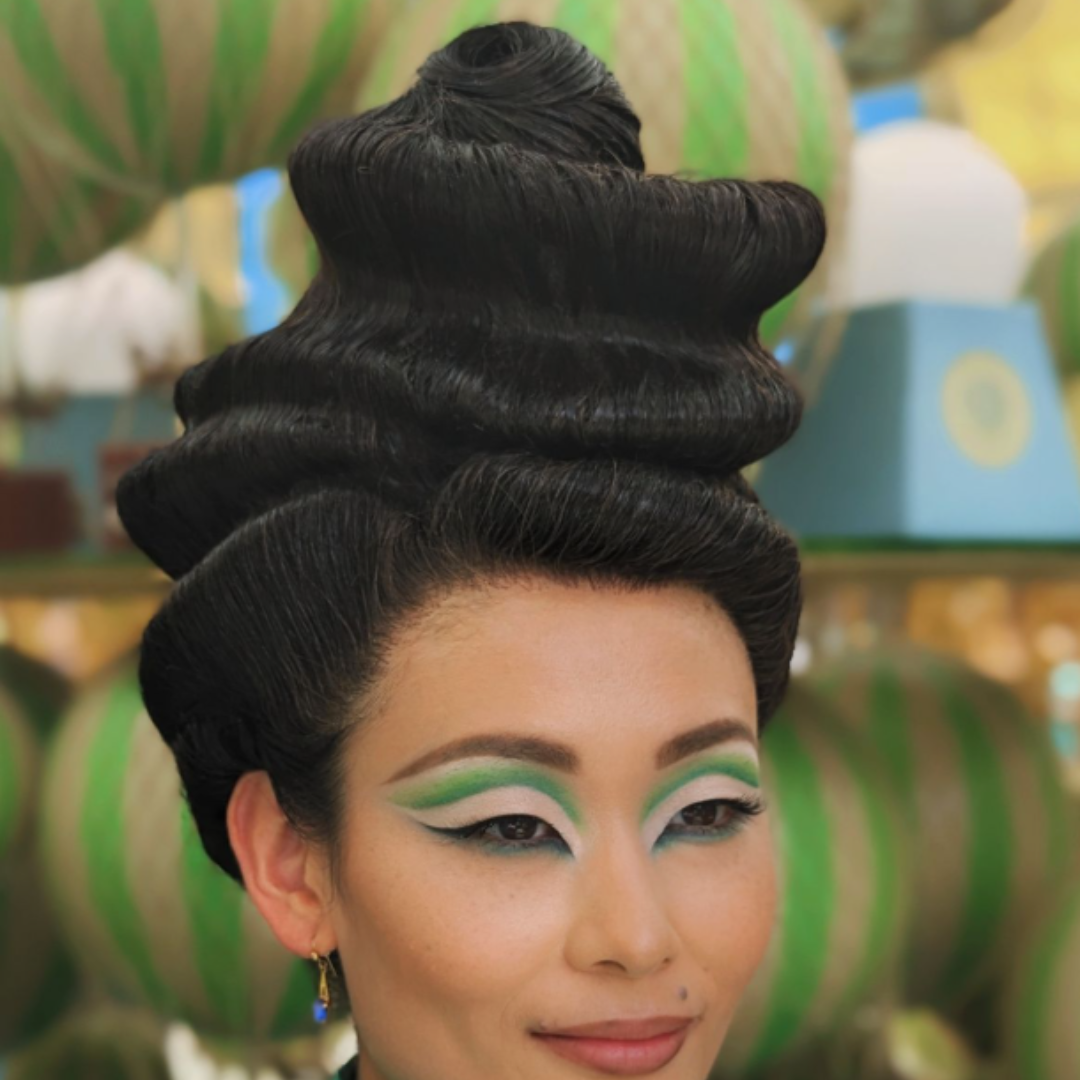
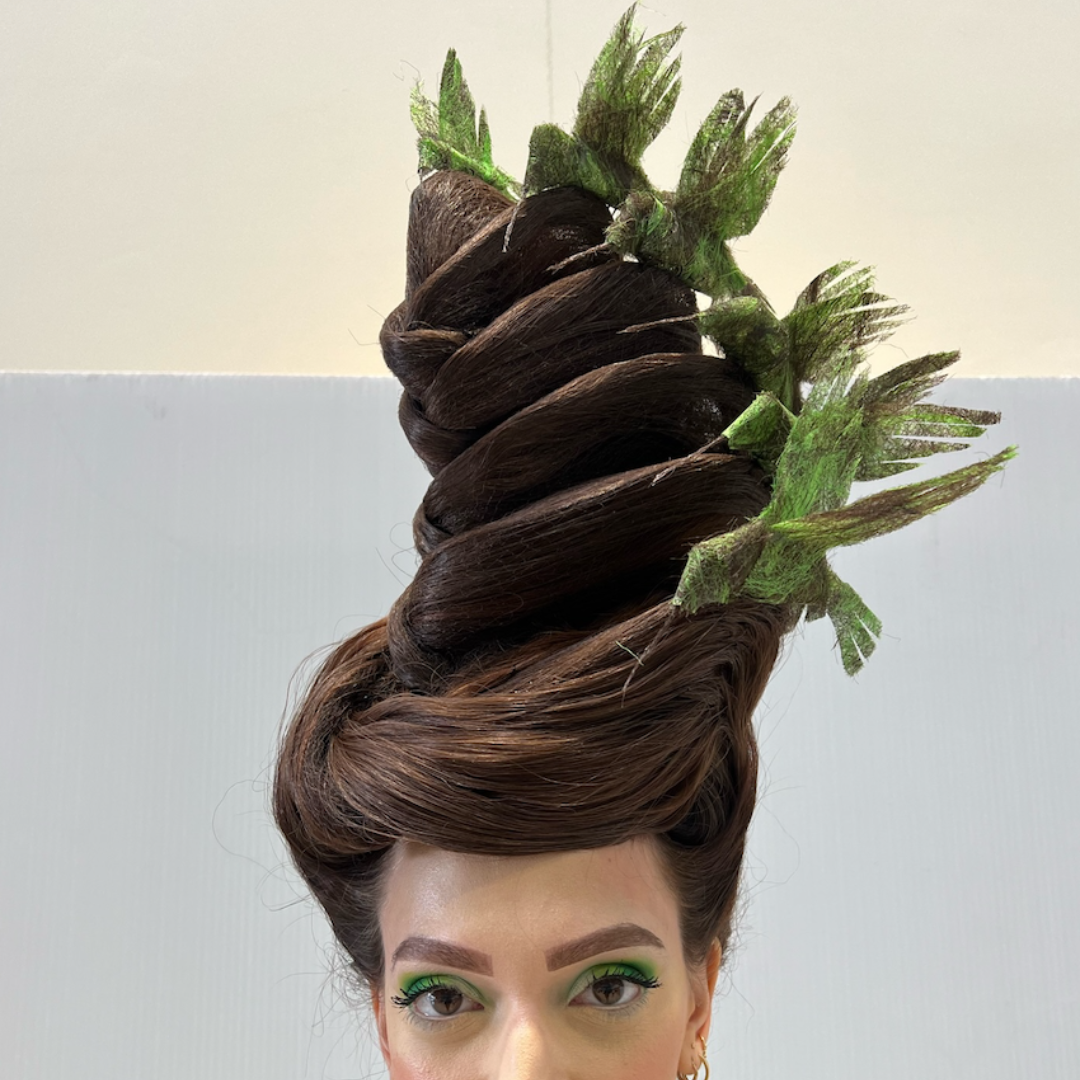
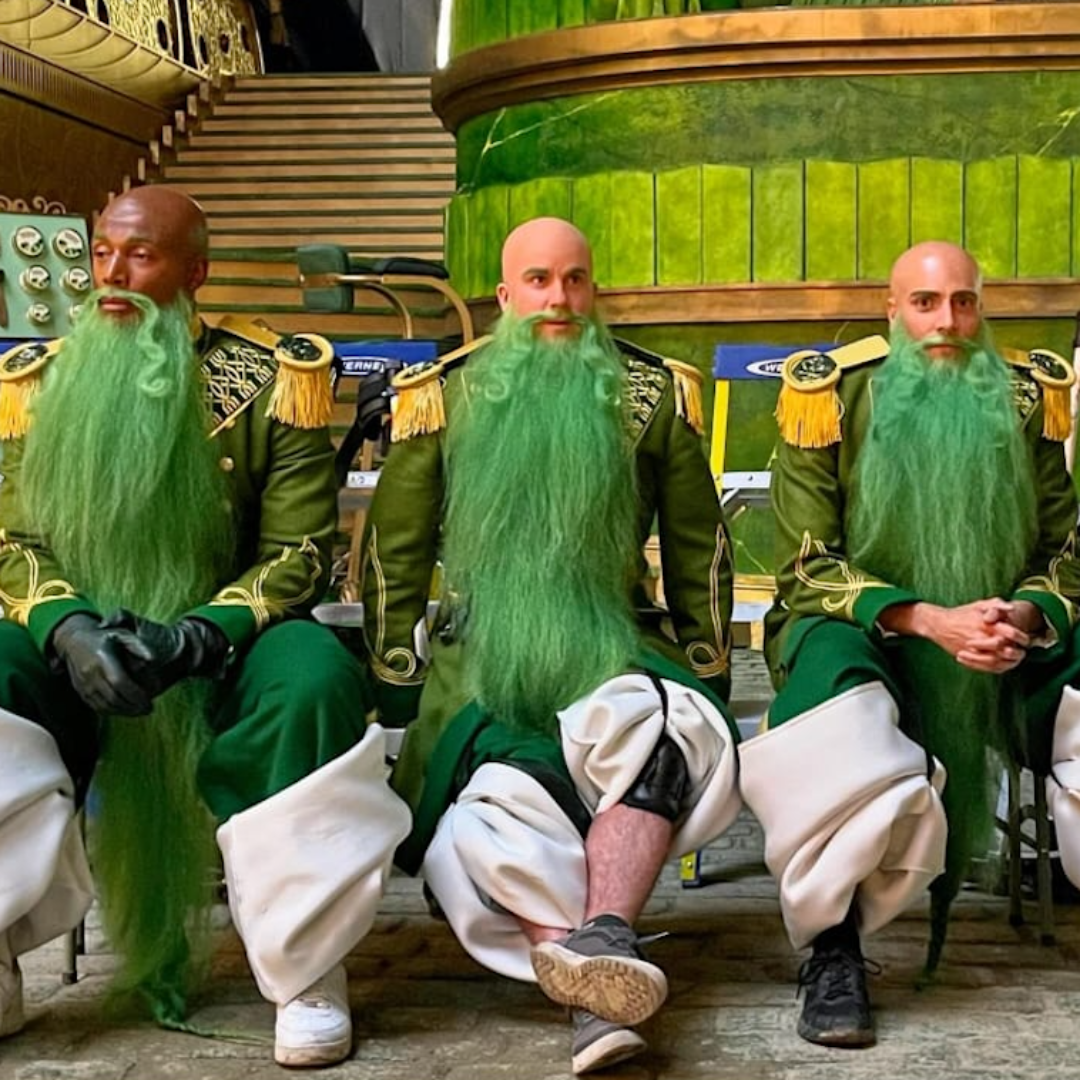
Emerald City, in contrast, was sleek and extravagant. “It had to feel sophisticated, architectural and controlled,” Frances says. “We mirrored that in the hair, beards and facial hair, drawing inspiration from shapes in architecture and nature.” 

Even smaller details were meticulously considered, like the beauticians in the Emerald City nail salon. “They only had two types of coloured hair,” Frances reveals. “I used that kind of uniformity in several areas to create visual cohesion.” 

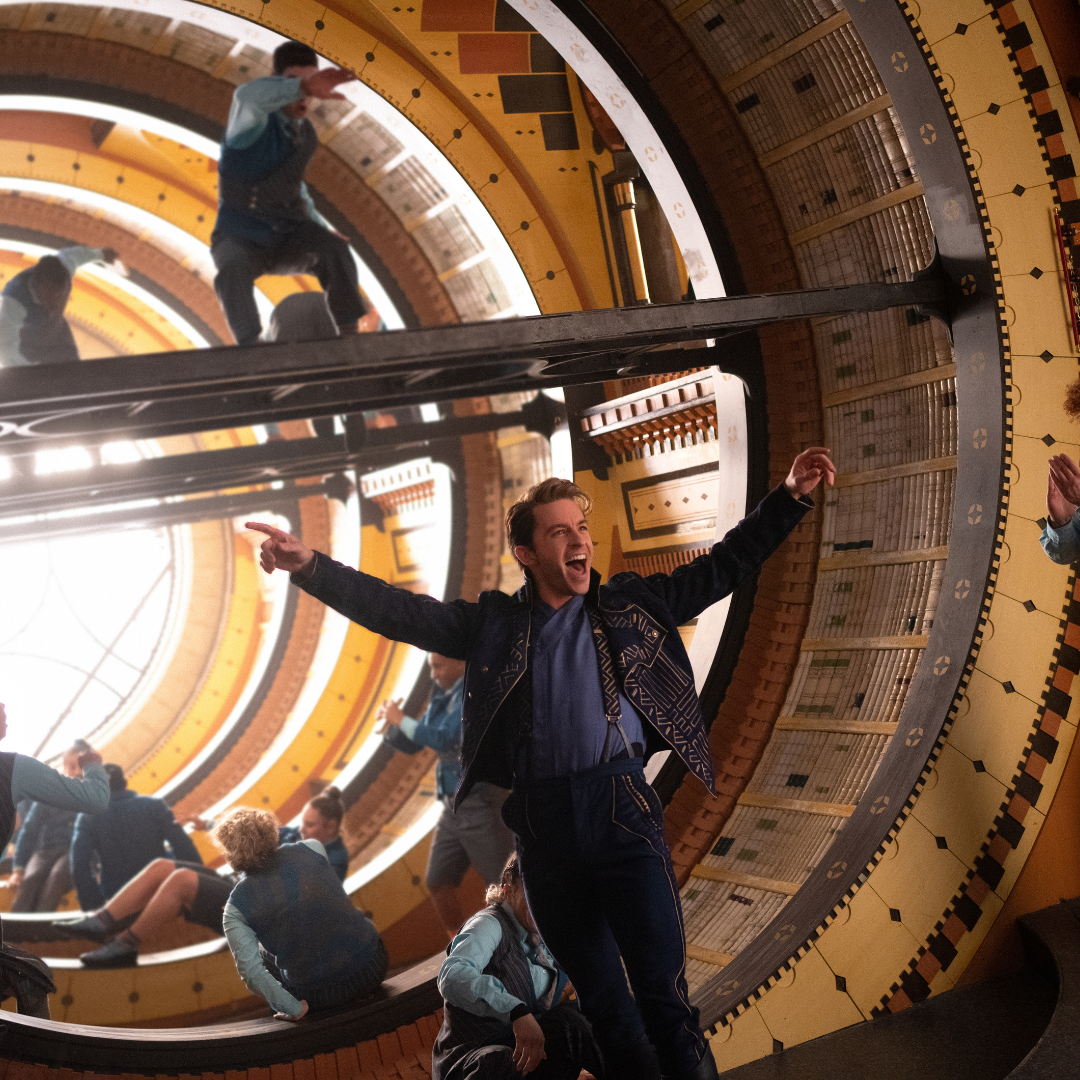
For Winkie Country, the palette was cooler and more polished. “It’s all blues and darker, cared-for hair,” Frances says, while the Uplands, Glinda’s homeland, were inspired by Scandinavian tones. “We kept it blonde and fairer, reflecting that softer, lighter palette.” 

Technical Execution 

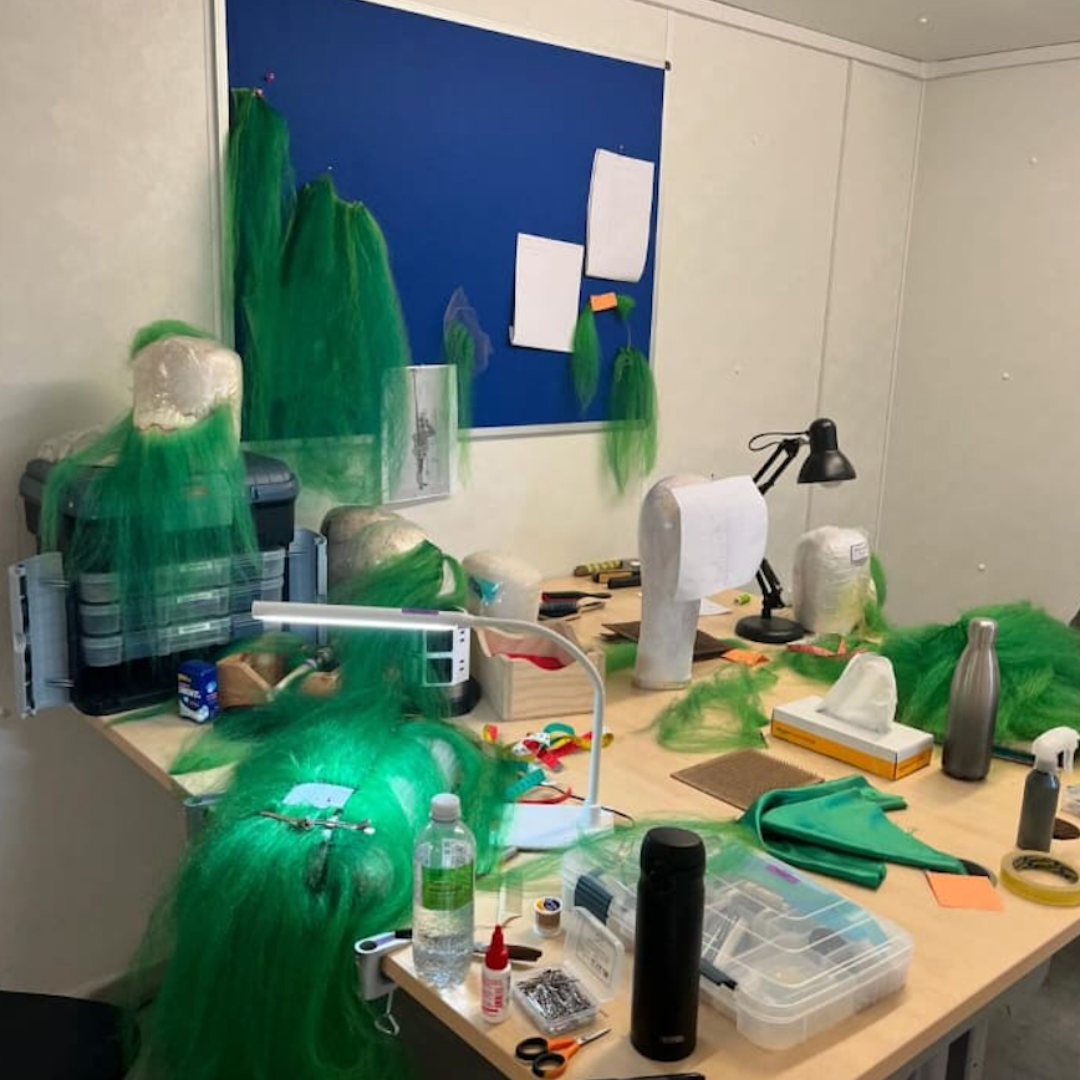
The ambitious scale of Wicked demanded technical mastery. “Wigs were the backbone of the film,” Frances explains. “We baked hundreds of wigs overnight in industrial ovens to ensure they held their shapes throughout 12-hour days of dancing, singing and stunts.” 
For Elphaba’s character, those micro braids became a cornerstone of her look. “We plaited them directly into the wig to add structure and control. It was labour-intensive but worth it because the braids held beautifully while giving us that raw, textured edge we wanted.” 

Glinda’s hair, in contrast, required a delicate touch. Frances relied heavily on steam-heated rollers and tonging to create soft, sculptural waves. “Her hair had to look light and romantic but still hold its shape. We used very lightweight products to keep the texture alive without weighing it dow.” 

Durability was a constant focus, especially for Elphaba and Glinda. “You can’t have hair falling apart halfway through a scene,” Frances notes. The solution came in the form of hand-tied, layered pieces and strategically hidden micro braids that locked styles into place without sacrificing movement or realism. “We had to think about every action the actors would take — from running to spinning to cartwheeling — and prepare for it.” 

From intricate braiding to maintaining durability for high-energy choreography, the sheer scope of the project demanded nothing less than perfection. 

For the crowd scenes that brought Oz to life, speed and precision were key. “We sometimes had just minutes to transform hundreds of extras,” Frances shares. Munchkinland’s textured, colourful styles relied on a mix of pre-dyed wigs, quick setting, and clever styling tricks. “We wanted it to look organic — like they’d done it themselves — so we focused on layers, natural shapes, and imperfections.” 
In stark contrast, Emerald City’s sleek and sculptural looks required meticulous styling and polishing. “It was architectural in its detail,” Frances explains. Beards and facial hair were just as carefully considered. “Everything was about control and sophistication — from the angles of the hairlines to the way curls were set and positioned.” 
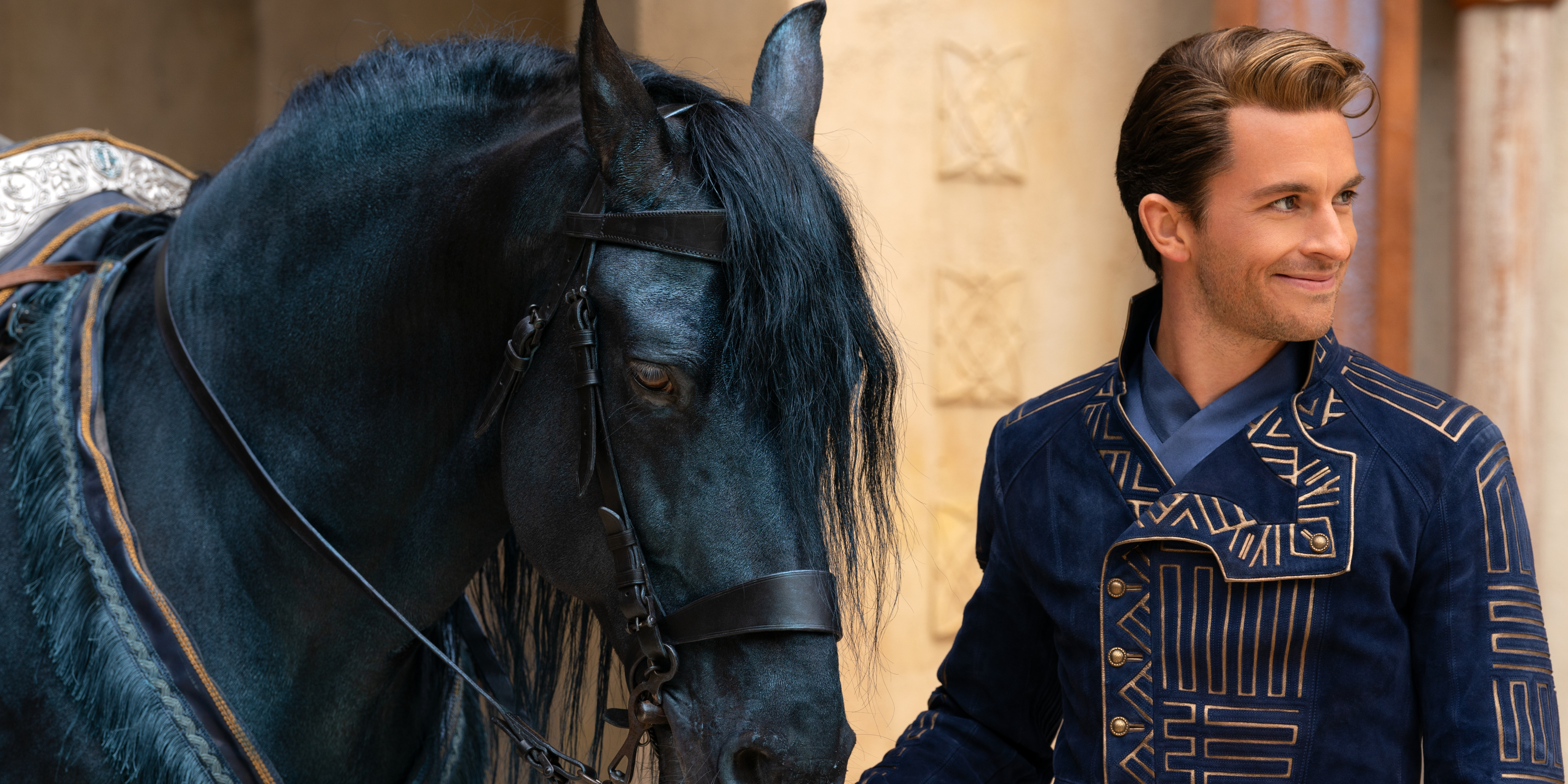
Frances’s team had to be concerned with more than just human hair, including the hair on Fiyero’s horse. “We shaved and dyed the horses’ manes and tails with a Japanese product that had been rigorously tested for safety,” she reveals. To enhance the look, they added blue-dyed hair extensions, adjusting the direction of the manes to ensure a uniform visual flow on screen. “It’s the kind of detail most people won’t notice, but it all contributes to the film’s overall aesthetic.” 
Words to the Wiser  

For those aspiring to work in film and television, Frances shares practical advice, grounded in her years of experience. The first step? Develop a wide-ranging skill set. “You need to learn wigs, extensions, cutting and dressing,” Frances emphasises. “You’ve got to know all of it. If you can get experience in theatre, I’d say go for it because theatre teaches you durability — that’s so important in film.” 

Durability is a recurring theme in her work. “Whatever you’re creating, it has to last. On a film set, the style might have to hold up for hours, through stunts, movement, lighting and sweat.” Knowing how to prepare hair to withstand these conditions is an essential part of the job. 

Equally important is the ability to collaborate. Hannon stresses that film is a team effort, requiring open communication across departments. “You’re constantly working with the costume designer, the director and the actors to align everything. It’s about the character, not the hair itself. You’re there to serve the story.” 


For those just starting out, persistence is critical. “You’ve got to keep going and keep knocking on doors,” she advises. Breaking into the industry takes determination and a willingness to begin wherever opportunities arise. 

Above all, Frances encourages young artists to stay curious and committed to their craft. “Learn as much as you can, take every opportunity to practice, and never stop trying.” 

Additional Credits:

Principal Key Make-up and Hair artist- Sarah Nuth

Key Hair and Make-up- Johanna Neilsen

Crowd Supervisor- Laura Blount

Make-up artist to Elphaba- Alice Jones

Hair stylist to Elphaba- Sim Camps

Make-up Artist to Galinda- Nuria Mbonio

Hair stylist to Galinda-Gabor Kerekes

Make-up artist to Jeff Goldblum-Vicky Lange

Make-up artist to Jonathan Bailey- Lara Prentice.


Jo Hansford MBE wins Royal Warrant of Appointment

Jo Hansford MBE wins Royal Warrant of Appointment

Jo Hansford MBE wins Royal Warrant of Appointment 

Legendary colourist secures recognition of services supplied to the Royal Household

by AMANDA | INDUSTRY NEWS

Pantone Colour of the Year Mocha Mousse
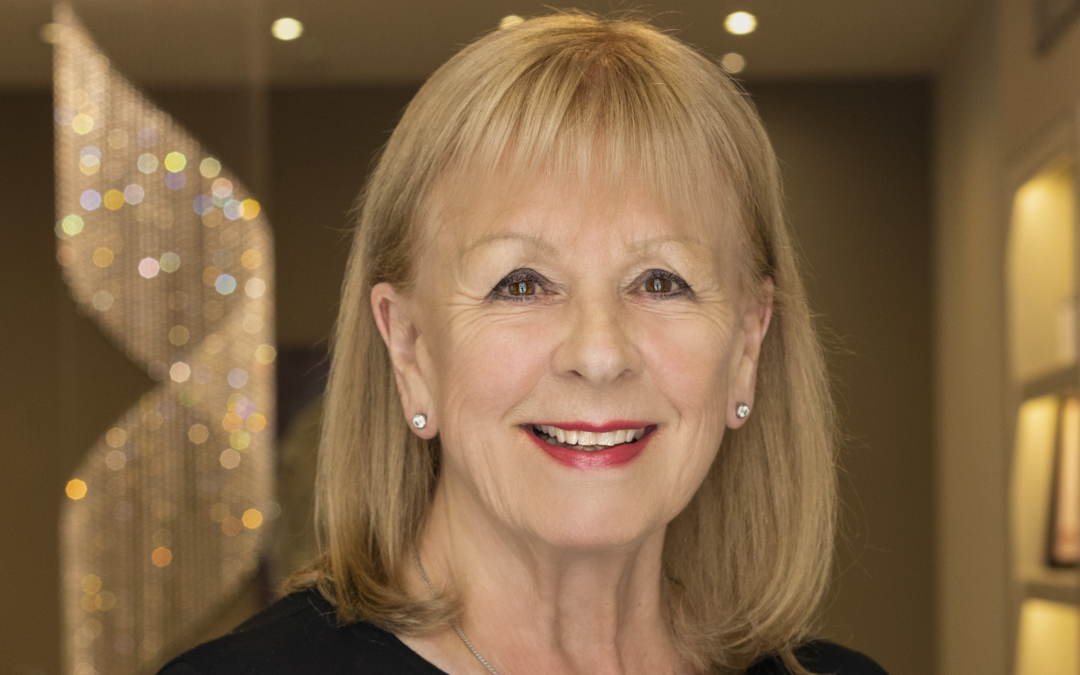
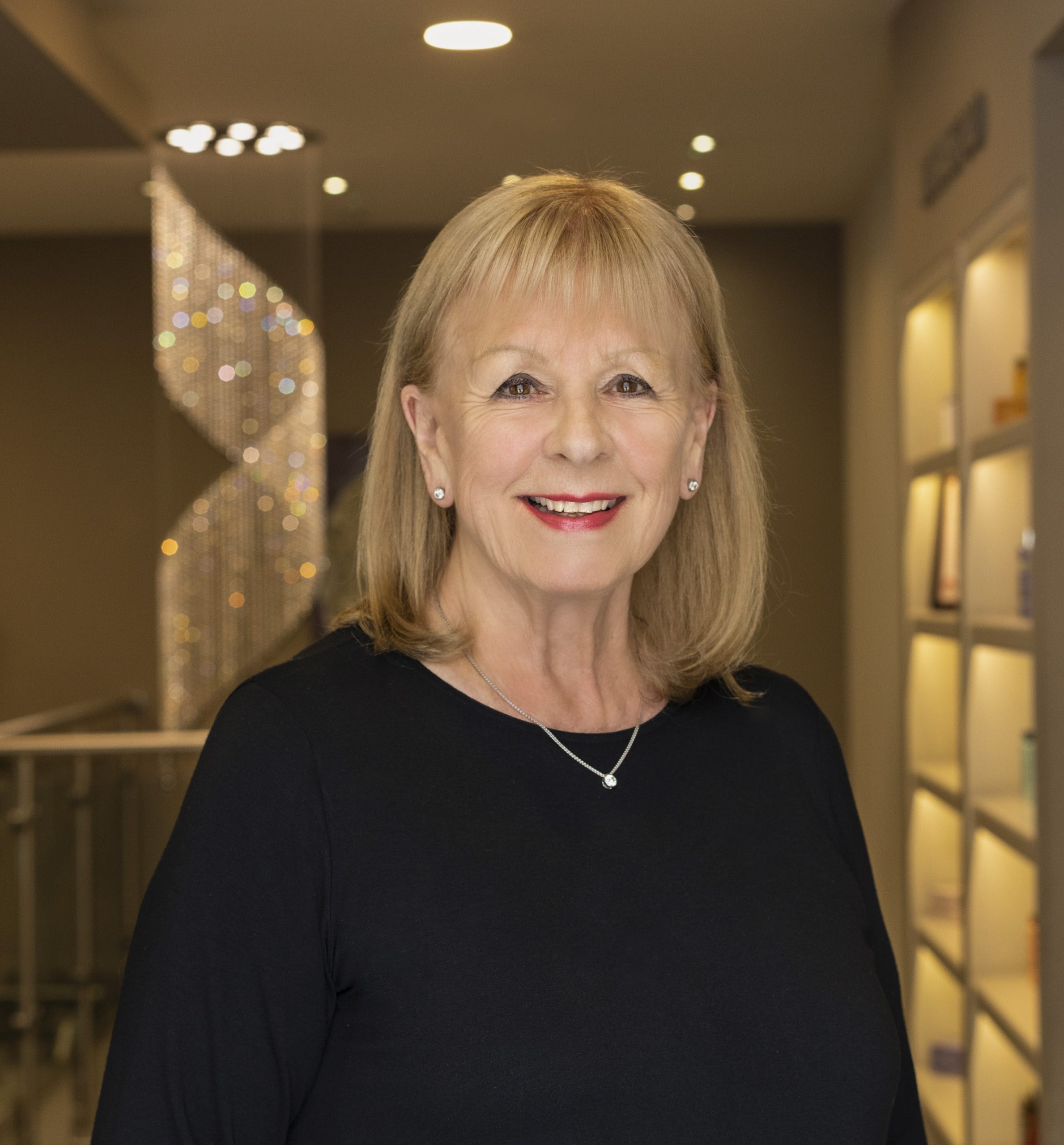
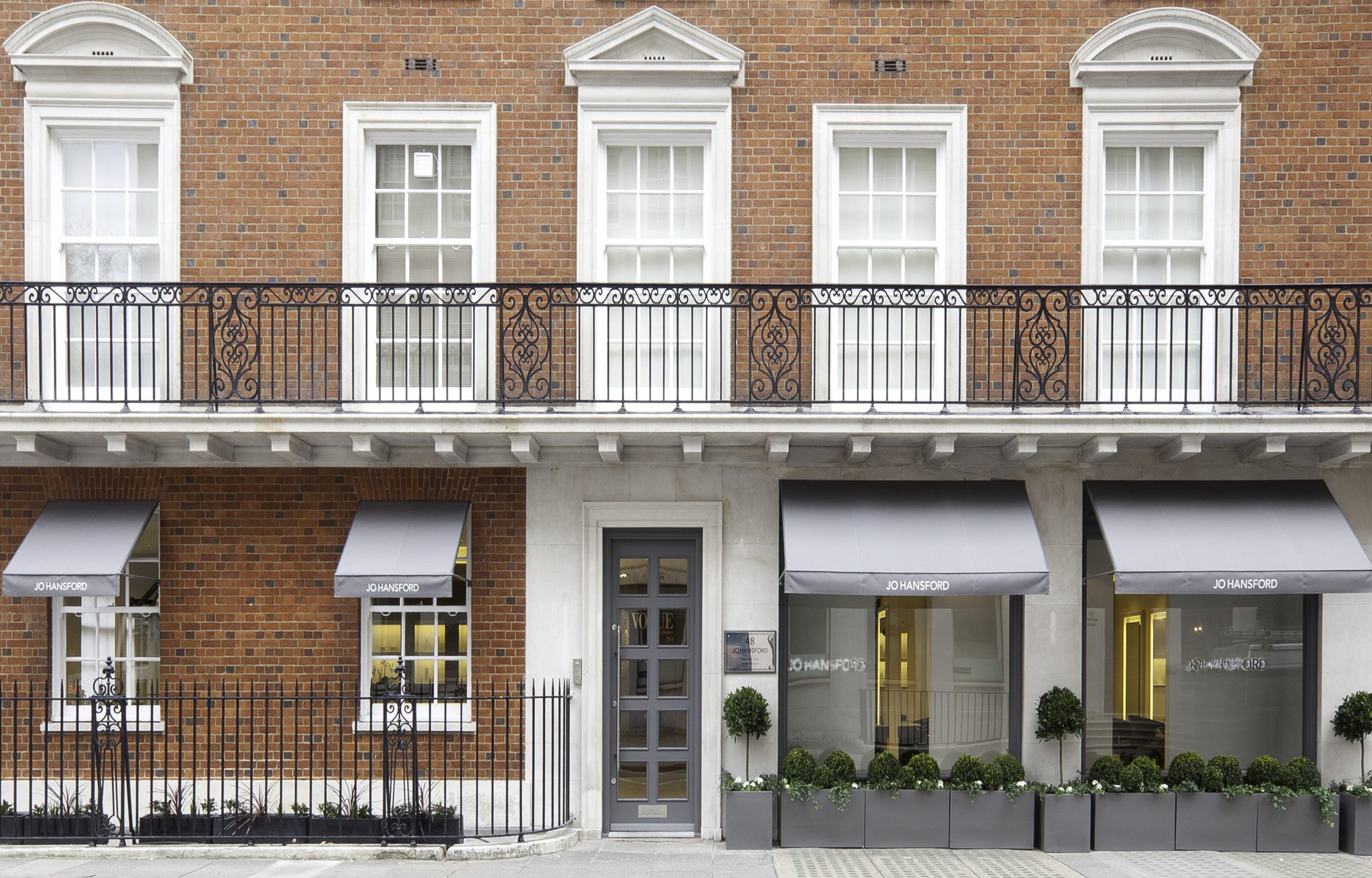
One of the most iconic colourists on the planet, Jo Hansford MBE has been granted a prestigious Royal Warrant of Appointment in recognition of services supplied to the Royal Household.  

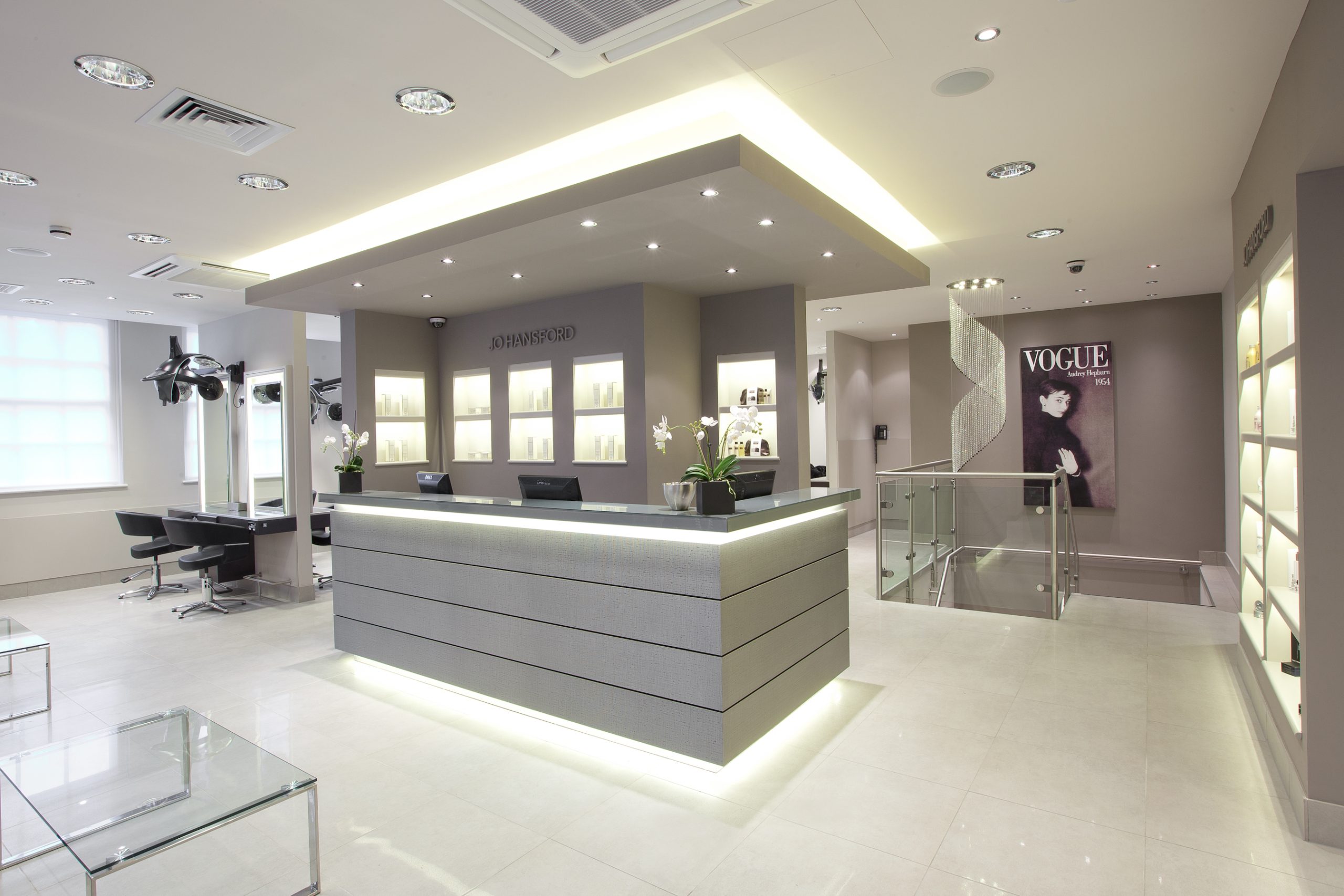
With salons in Mayfair and in Harvey Nichols in Knightsbridge and a staff of more than 90, Jo has been described as the ‘first lady of colour’ and ‘best tinter on the planet’. The Royal Warrant is one of only seven made by The Queen, who was a regular client for three decades. 

“It’s a real honour to be granted a Royal Warrant from The Queen, who I have been proud to have as a client for more than three decades,” said Jo. “I think it is particularly wonderful that The Queen awarded it to an all-female owned and run business. It really shows that with grit and determination you can achieve truly incredible things.”  

In the 1960s, Jo worked at the iconic Vidal Sassoon salon for more than 15 years. She launched her original salon in Mayfair in 1993 and also unveiled her own product line. She moved to larger premises in 2012 and extended further into Harvey Nichols in Knightsbridge in 2022. Her hard work was recognised with an MBE for outstanding service to the hairdressing industry in 2010. 

“To receive a royal warrant is the ultimate endorsement of our commitment to service, quality, and to our clients,” added Joanna Hansford, Jo’s daughter and managing director of the salons. “We are an independently run, family business, and this means the world to us and our staff, and it also sends a positive message to the hairdressing industry.”  

While guests who fly in from Europe, America, Australia and the UAE are affectionally called “our hair miles clients” by Jo and her team – and other regulars include international royals, politicians, celebrities and high-profile businesswomen and men – the colourist ensures that all clients get the same treatment. “We value each and every one of them and are always grateful that they choose to come to us. We never take them for granted – as soon as you do that standards can slip,” she said. 

The epitome of luxury and service, the salons operate in a similar way to the capital’s hotels and restaurants, with teams focused on client liaison, as well as in-house manicurists and qualified chefs. 

“I feel incredibly proud of what I have achieved, and I still get the same thrill at seeing someone leave the salon happy, full of confidence, with their hair looking amazing, just like I did when I first started,” added Jo.  

Pantone Colour of the Year Mocha Mousse