Document
explore news CONVERSATIONS HEADER Creative head x authentic beauty concept techniques header inform home inform freelance content connect home connect inform header home explore documents header creative projects header
The Law On Employee Tips Is Changing: Here’s What You Need To Know

The Law On Employee Tips Is Changing: Here’s What You Need To Know

The Law On Employee Tips Is Changing: Here’s What You Need To Know

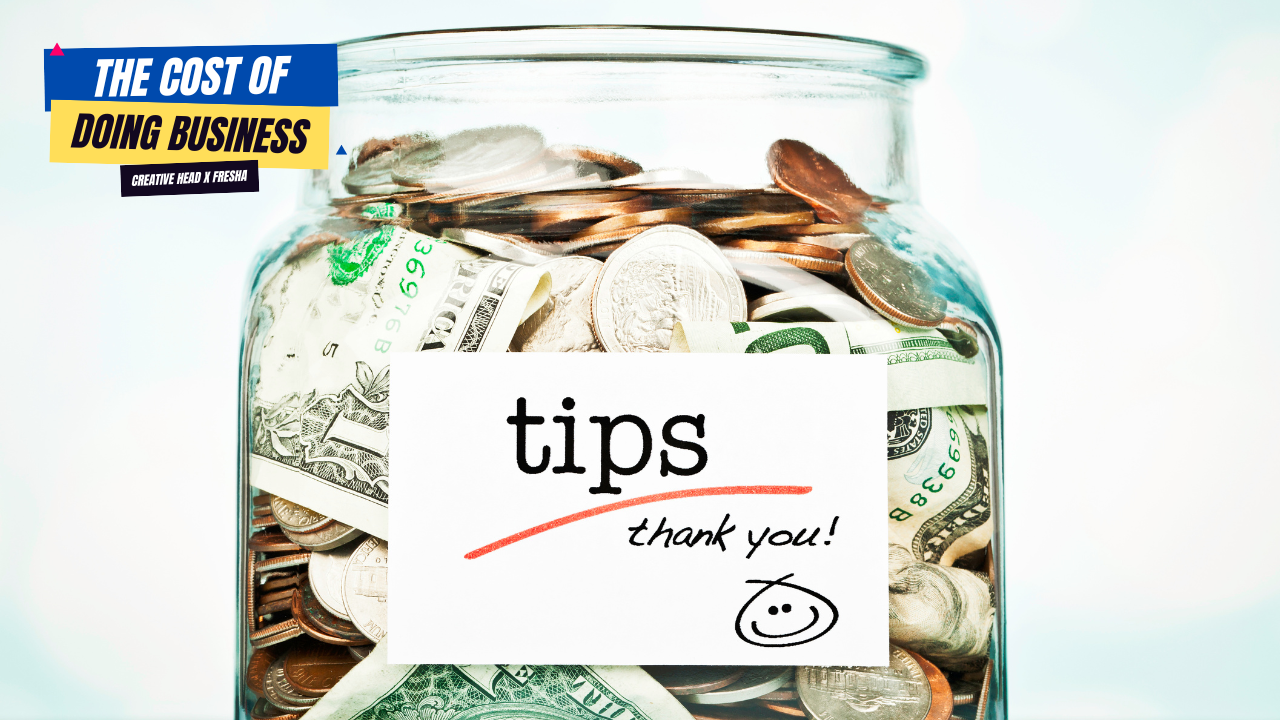
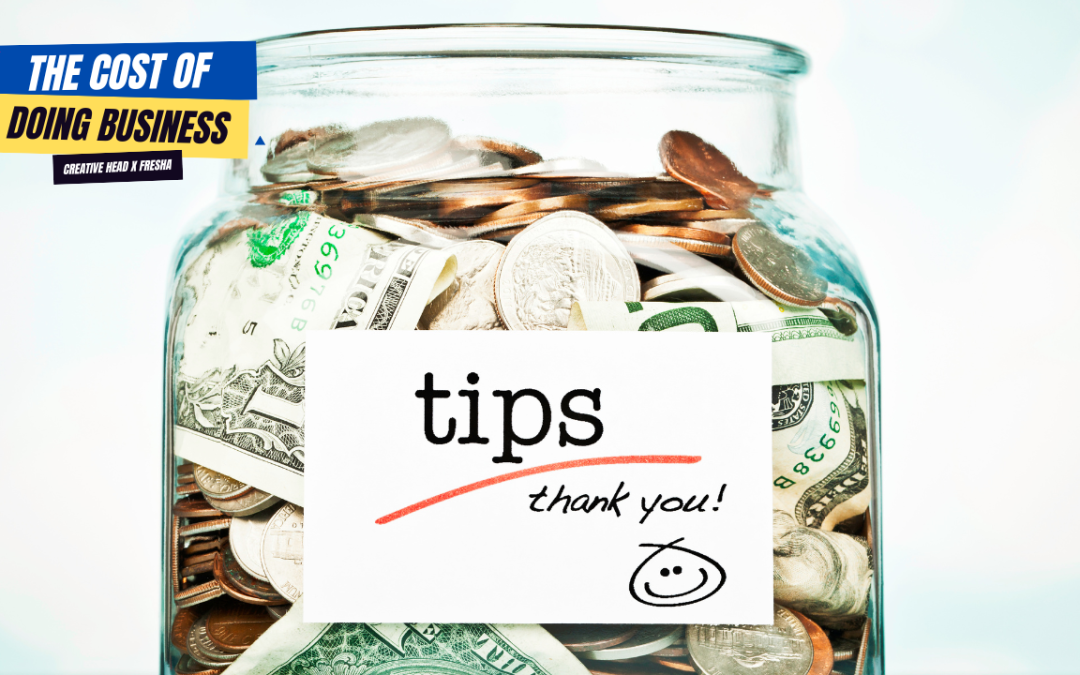
This autumn sees new rules for managing staff tips – which means the way you currently handle tips in your business could become unlawful.

by ATHERINE | THE COST OF DOING BUSINESS

As revealed at this year’s Salon Smart, the government is about to introduce new legislation around UK tipping laws that will have implications for some hairdressing employers. The Employment (Allocation of Tips) Act 2023, expected to come into effect on 1 October this year, will make it unlawful for employers to withhold tips from workers. The new law will introduce changes to tipping practices in the UK and, if not adhered to, could have substantial financial consequences for employers, with awards of up to £5,000 per employee to reflect losses suffered.

The new legislation will protect tips paid by cash and card, ensuring that tips are passed on to employees without any deductions from their employer. The tips should be allocated fairly (a draft statutory Code of Practice (available here) has been provided by government), and all workers are protected by the new law, including those on zero-hour contracts.

If tips have not been paid on time, an employee can claim up to £5,000 in compensation.

The obligations under the new act include the total amount of the customer’s bill, which will include any deductions such as bank and admin charges. This means that employers will no longer be able to apply a portion of a gratuity or tip to meet those additional charges and will need to find an alternative way to pass on those charges to clients.

If, in your business, tips are regularly paid to your employees, you should implement a written policy that explains the allocation of qualifying tips, and how they will be distributed in a fair and consistent manner. Having a written policy which is clear and accessible to all staff will ensure adherence with the new laws and will help to avoid any potential employee complaints and claims.

You must also keep a record of how tips are being allocated and distributed among your employees. Under the new law, employees will have a right to request information about an employer’s tipping record once every three months. If an employee does request a copy of your tipping records, you must comply with this request within four weeks from the date it was requested. If there are inconsistencies in your records, or if the records show that the tips have not been distributed fairly, this can be used as evidence by an employee to bring a tribunal claim.

You should ensure that tips are paid to employees no later than the end of the month following the month in which the customer paid the tips. If tips have not been paid on time, an employee can claim up to £5,000 in compensation.

Finally, it is important to note that there will be no transition period. This means that, in order to avoid the consequences of non-compliance, you will need to make any required changes to your business operations before the new legislation comes into effect.
Hands Up If You Want To Be Heard

Hands Up If You Want To Be Heard

Hand Up If You Want To Be Heard

How do you feel about working in hair? Creative HEAD invites YOU to share your thoughts for the next On The Floor report.

by AMANDA | THE COST OF DOING BUSINESS

Creative HEAD is on the hunt for salon employers, employees and freelancers to take part in the 2024 On The Floor report, our regular deep dive into the landscape of modern hairdressing and barbering. We want to know what’s happening now and what’s coming next for UK hairdressing’s employers, employees and self-employed.

Launched in 2021, Creative HEAD’s major industry survey, On The Floor, discovered salon employers frustrated by increasing numbers of rent-a-chair competitors; employees feeling disenfranchised by the glamorisation of freelancing and the prioritising of social following over talent and skill; and growing numbers of self-employed stylists building their own brands and independence, with all that entails.

Follow-up reports have investigated recruitment challenges and the headaches trying to find and keep hairdressing and barbering apprentices. And now we want to do it again, to keep the conversation going and to better understand how to tackle the challenges and make progress…

In July we will be conducting focus sessions with our three key groups – salon employers, salon employees and self-employed stylists. And we want to hear what YOU have to say! These sessions will be conducted on Zoom and will allow all participants to have a voice and share their thoughts and experiences.

Who is Sebastian Professional’s New Global Ambassador?

Who is Sebastian Professional’s New Global Ambassador?

Who is Sebastian Professional’s New Global Ambassador?

Lady Gaga’s hairdresser takes on new global creative & culture director role.

Frederic Aspiras

Frederic Aspiras

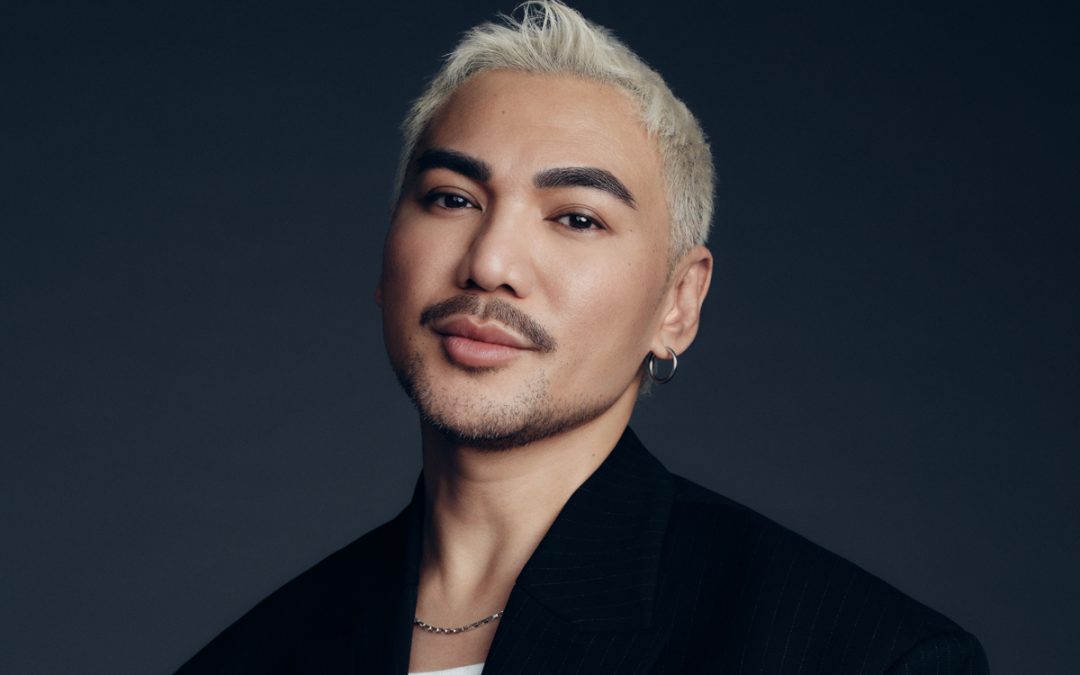
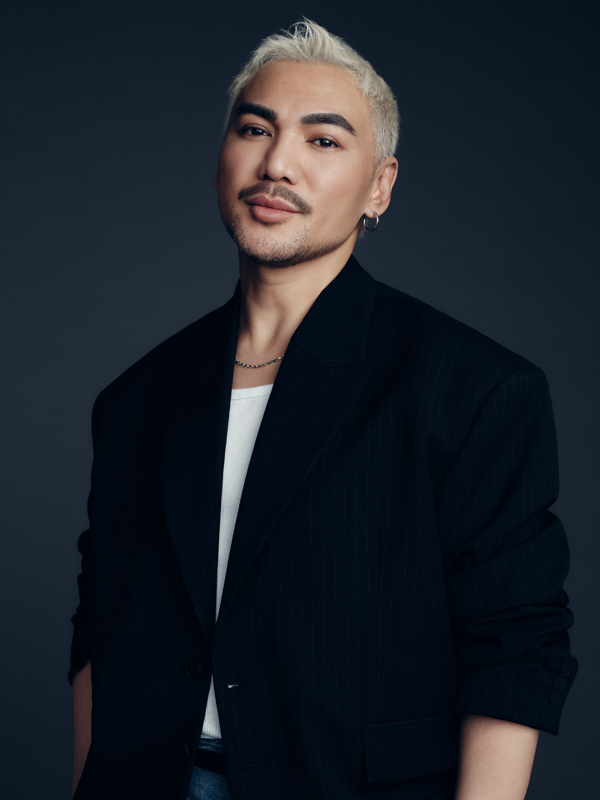
Lady Gaga’s stylist, the Oscar-nominated Frederic Aspiras, is looking to “foster an inclusive space that celebrates individuality and creativity” in a new global role with iconic hair brand Sebastian Professional.

He’s the new global creative & culture director, and will have an eye on merging talent and “sparking a global movement of self-expression” through hair and culture.

Across a two-decade career, Aspiras has become known as something of a visionary trailblazer in the world of hairdressing, particularly through his wig making and his long working relationship with Lady Gaga. Since 2009, he’s formed part of her Haus of Gaga styling collective, working on red carpet styles, stage looks and even film work as she broadens her career in movies. In 2022, he was nominated for an Academy Award in the
category Best Make-up and Hairstyling for the film House of Gucci.

The appointment is another reason for Sebastian Professional to celebrate, having marked its 50th anniversary celebration last year.

Related

Is Wellwashing Taking Over Our Industry? Why Creating A Culture Of Wellness Goes Beyond A Morning Meditation

Is Wellwashing Taking Over Our Industry? Why Creating A Culture Of Wellness Goes Beyond A Morning Meditation

Is Wellwashing Taking Over Our Industry? Why Creating A Culture Of Wellness Goes Beyond A Morning Meditation

Wellbeing has become a buzzword in the industry, but when does it do more harm than good? Find out how to put staff wellbeing front and centre correctly.

Image: Brett Jordan
Defined as ‘the intentional or unintentional practice of promoting a wellbeing culture that has little or no positive impact on wellbeing outcomes,’ the concept of wellwashing is rising. Much like greenwashing, there are now visible ripples of it in our everyday lives, and
worst of all is that it’s happening in our industry.

The Pandemic shifted many aspects of the cultural zeitgeist, a work/life balance with a greater emphasis on mindful, positive habits being one key area. It allowed businesses to reflect on their practices and check in with the team properly, beyond a passing ‘how are you?’ in the break room between clients. The downside? As attention turned to the topic of wellness, it became a trend and everyone wanted a piece of the pie, but not necessarily for the right reasons.

Danielle Garner
Danielle Garner
“As someone who has strong ethical values and fights for what I believe in, I’ve previously turned down substantial financial contracts from large manufacturers due to their green-washing behaviour,” says salon owner, Danielle Garner. “Today similar brands, along with salons and individuals, can be seen well-washing team members, clients and our industry.”

Danielle’s salon, Wildflower, is known across the industry for being an inclusive, welcoming space where both the salon team and their clients can grow and thrive; after all, they did win Most Wanted’s Best Client Experience award in 2022. But Danielle is the first to admit that creating a culture of wellness cannot be dictated – it cannot be a one-style-fits-all all approach, otherwise, you will fall at the first hurdle.

More often, wellwashing comes from a place of feeling the need to ‘do something’, as opposed to a genuine desire to prioritise staff wellbeing beyond the surface level.

“When businesses do this, they can end up just checking the wellbeing box rather than investing in a strategy that has an impact far beyond improving and protecting the wellbeing of employees.,” says lifestyle and holistic coach, Sonia Magnier. “They are missing out on the real benefits of putting employee wellbeing front and centre.”

Conversely, properly Investing in your team’s wellbeing can lead to improved productivity, lower staff turnover and absenteeism, and a more positive company culture. Sonia has seen this first-hand with the clients she is working with and truly believes it makes a difference.


Sonia Magnier

Sonia Magnier

So, what can hairdressing businesses do that avoid falling for the typical wellwashing quick fixes? Sonia considers these to be things like a one-off workshop, which though can provide temporary relief, they don’t tackle the deeper issues that contribute to burnout and dissatisfaction.

To genuinely nurture a wellbeing-focused culture in your organisation, Sonia suggests considering these strategies:

It starts at the top
“Leadership needs to walk the talk and show a real commitment to their own wellbeing as well as employee wellbeing. Your team should see that your actions speak louder than words! A half-day wellbeing workshop is a great way to kick-start a wellbeing programme.”

Empower your employees with the tools they need
“Offer training on mental health awareness, stress management, and resilience. Give them the skills to tackle the ups and downs of the modern working world.”

Track the effectiveness of your initiatives
“Listen to what employees have to say and take their feedback on board. Hold leadership accountable for keeping the wellbeing communication going.”

It’s also valuable to remember that wellness is a personal journey, so each person involved in the brand or salon must have the flexibility to work on their wellness. “You can’t enforce yoga or meditation classes if the individual isn’t in the right head space,” says Danielle. “As a business, our HR offering includes six therapy sessions that can be taken at any time. But it’s not my place to comment when a team member needs to make that first appointment. All I can do is make sure they are aware of the opportunity and be there when they need it.”

To genuinely prioritise your employees’ wellbeing, it’s important to commit to long-term initiatives that prove that you care. Not only will you dodge the dangers of well-washing, but you’ll also create a happier, healthier, and more productive workforce. 

Related

No Results Found

The page you requested could not be found. Try refining your search, or use the navigation above to locate the post.

Is AI The Answer To Creating A Booming Business?

Is AI The Answer To Creating A Booming Business?

Is AI The Answer To Creating A Booming Business?

How two salon owners and a self-employed hair pro have used AI to level up their work. 

The debate around AI rages on, but the technology isn’t going anywhere. So, we asked three hair pros from across the industry to share how they have onboarded AI to grow their businesses. Have they encountered some teething problems? Sure. But they’ve made the mistakes so you don’t have to…

Chris Foster Digital Agency

Chris Foster AKA the Profile Guy

How are you using AI for your business? 

“On the creative side, AI can serve as a brainstorming tool,” says Chris Foster AKA The Profile Guy, who uses AI as a freelancer. “It can aid with everything from styling ideas to building collections. I’ve used AI to generate mood boards and spark new concepts from my imagination, and it’s been incredibly helpful in expanding my creative horizons.” 

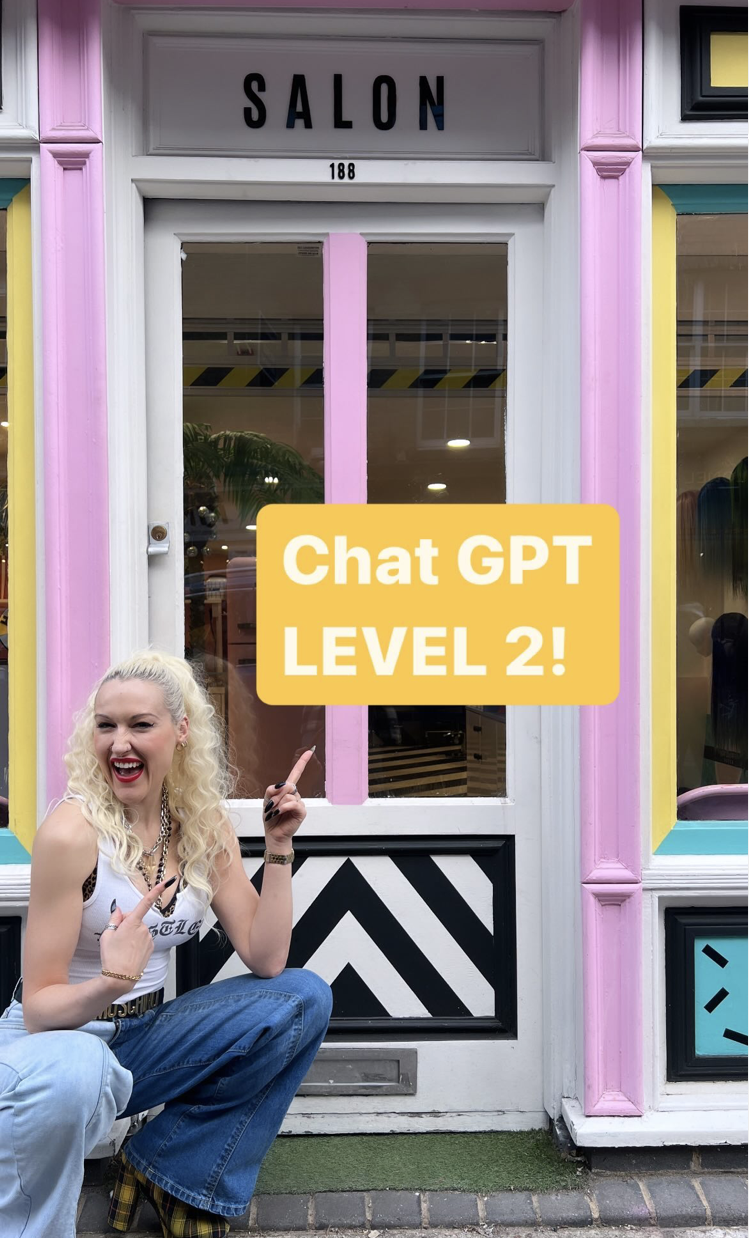
ChatGPT may be the most common platform we associate AI with when we think about automation. Sophia Hilton, owner of Not Another Salon in London, has used her social media platforms to be transparent about the business benefits that AI can provide. “We started to use ChatGPT to help one of my trainee receptionists deal with complaints,” Sophia explains. “Since then, I have continued to incorporate it into my business, gained experience using it and created a course on how business owners can write with AI to help them speed up their work.”  

Sean Butt, operations manager at Alchemy & I in Berkhamsted, is always looking for ways to unlock innovation and leverage AI to revolutionise the salon, he has used AI tools to generate his answers for this article, which have been tweaked to ensure they sound more personal. “AI isn’t just a buzzword, it’s a transformative tool enhancing every aspect of the salon business,” he says. “From personalised consultations to trend forecasting, inventory management and process alignment and creation, AI serves as a cornerstone of our commitment to excellence.” 

To help stylists offer bespoke recommendations for each client, the salon uses the AI algorithm to help stylists tailor recommendations for an enhanced experience. Trend prediction features are also used during consultations.

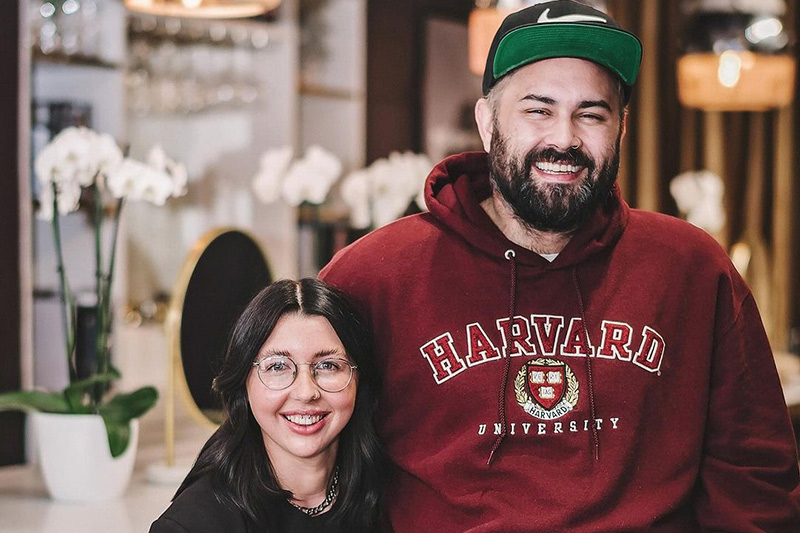
Sean Butt with Senior Alchemist at Alchemy & I, Amy Lutt

Sean Butt with Senior Alchemist at Alchemy & I, Amy Lutt

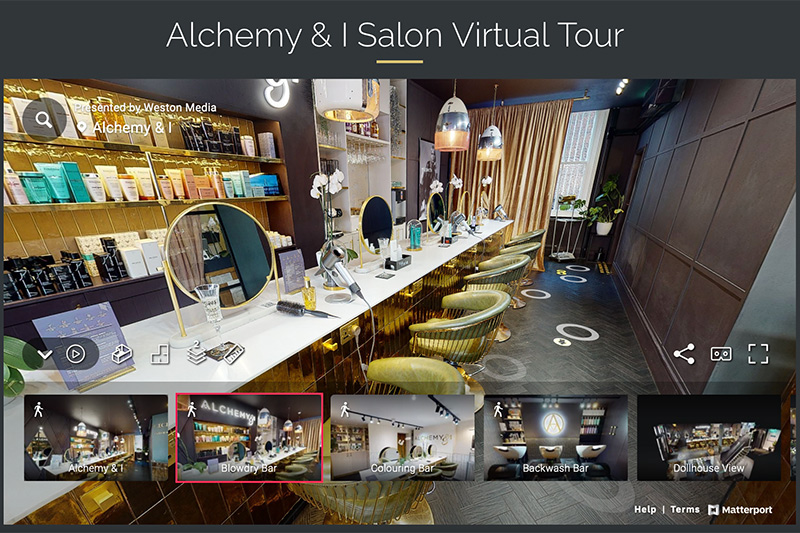
alchemy & I virtual tour

What element of AI would you recommend hairdressers get on board with? 

For industry professionals on a mission to enhance the salon experience or elevate their hairdressing business, AI-driven solutions are one of the most valuable recommendations from Alchemy & I. “AI-powered consultation tools and trend forecasting software can revolutionise client interactions and business operations alike. It’s a great investment,” says Sean. “It means we can offer unparalleled personalised experiences, driving customer loyalty and business growth while remaining at the forefront of industry developments, securing a competitive edge in an ever-evolving market.” 

For freelancers like Chris Foster, AI is also a great tool for enhancing productivity. “Think of it like the AR filters on social media platforms,” he explains. “AI-powered tools can streamline content creation, making it faster and easier to produce engaging content that showcases your skills and drives traffic to your salon.  

From editing videos and audio, to repurposing content into various formats, AI can be a gamechanger,” he adds. “As a creative, it can help you stay on top of trends by selecting the best music and videos for your content and speed up the editing process, ensuring a great user experience. AI has been pivotal to the success of social media.” 

Sophia Hilton agrees, having used AI to help with a multitude of jobs as a salon owner. “For self-employed hairdressers and salon owners, writing with AI can be helpful,” she comments. “It can help with anything from website copy and social media captions to using it for reading contracts that you don’t understand. When you’ve never done it, it sounds complicated, but it’s easier than googling something!”

Sophia Hilton ChatGPT Instagram<br />

Sophia Hilton

What errors have you made while figuring it out, so others don’t make the same mistakes? 

Using an AI platform can make it tempting to input the first thing you think of, but it takes work to ensure its answers sound authentic to your voice. “The number one thing I teach when using ChatGPT or other platforms like that is to make sure that you’re training the programme to sound like you and not copy and pasting some robot-like text,” says Sophia. “It will not take long for the public to see when you’ve been lazy. Taking the time to train it makes it so much more genuine.” 

“I initially underestimated the breadth of AI applications, thinking it was limited to ChatGPT,” admits Chris. “AI is so much more than that, it’s much more powerful across so many domains – creating websites, graphics, and improving productivity.” Chris has just launched a brand-new AI assistant from his AI agency specifically for salon owners and freelancers to help them run their businesses more effectively, creating maximum efficiency with very little cost.

While integrating AI into the salon has been rewarding for the team at Alchemy & I, Sean admits they encountered challenges along the way. “One notable mistake was underestimating the importance of staff training and familiarisation with AI technologies. Prioritise comprehensive training programmes and support your staff when adapting,” he adds.

Related

No Results Found

The page you requested could not be found. Try refining your search, or use the navigation above to locate the post.