Document
explore news CONVERSATIONS HEADER Creative head x authentic beauty concept techniques header inform home inform freelance content connect home connect inform header home explore documents header creative projects header
What You Need to Know on… Branding

What You Need to Know on… Branding

What You Need to Know onโ€ฆ Branding

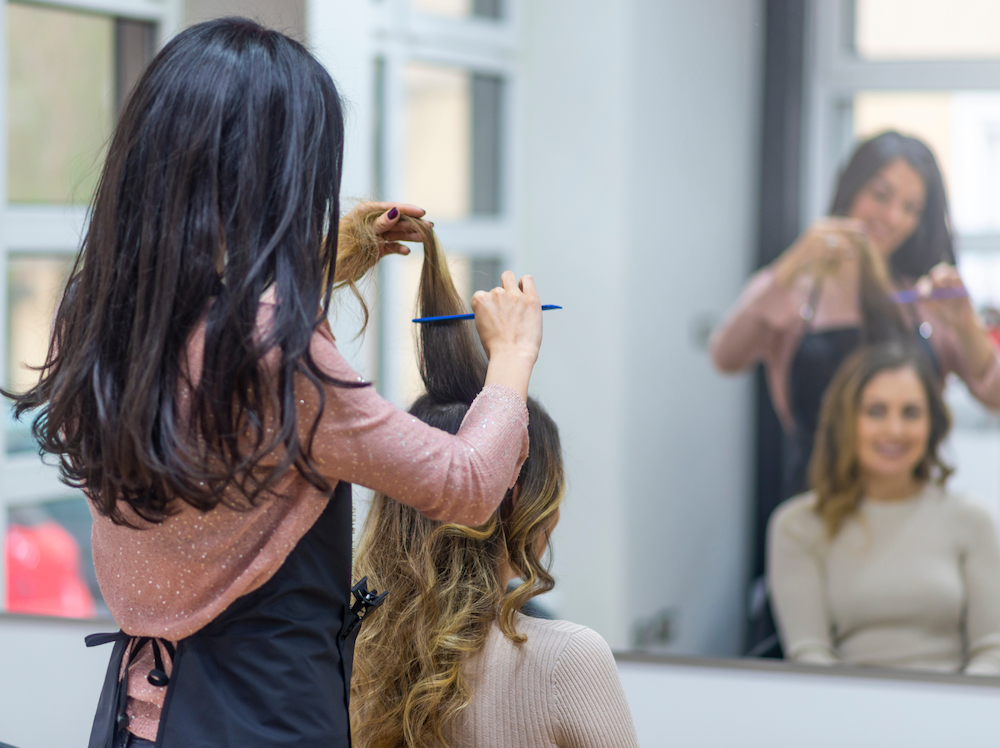
Maintaining a good brand takes thought and work, as does repairing a damaged one

by Amanda |ย  BUSINESS, FREELANCE

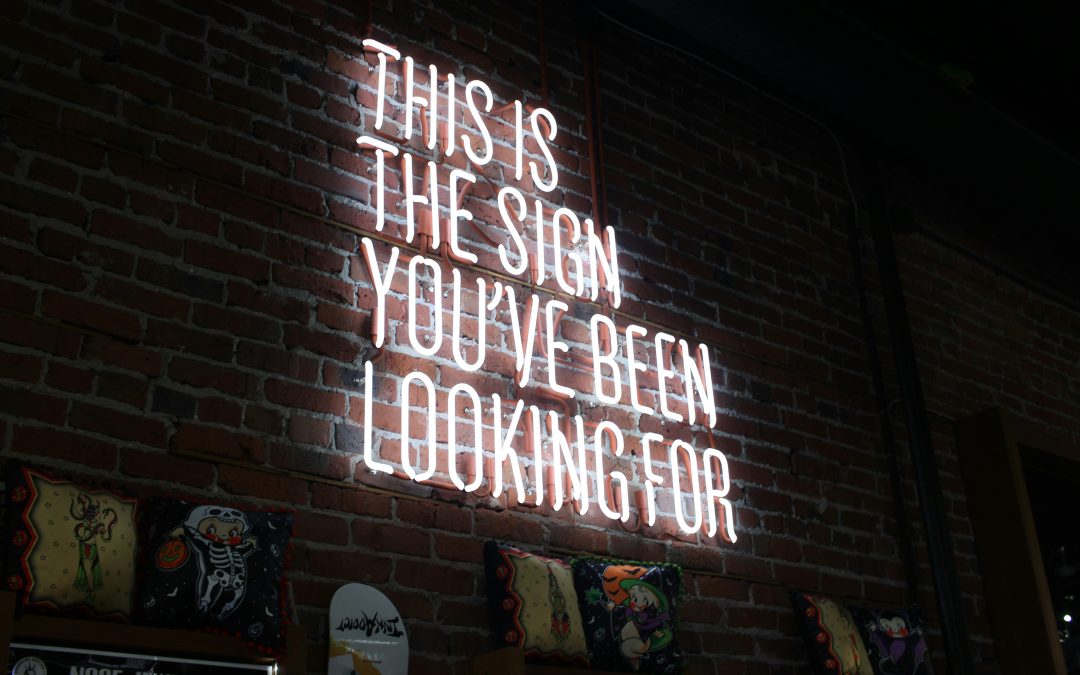
Unsplash/Austin Chan

Whatโ€™s in a brand? Your business story as well as your reputation, for starters. Digital expert Harvey Morton offers some pearls of wisdom for getting going. โ€œConduct thorough market research to gain insights into your potential customersโ€™ demographics, preferences, and behaviour patterns. Identify their pain points, needs, and aspirations.โ€ Just donโ€™t forget your competitors, he warns. โ€œExplore their services, marketing techniques, pricing strategies and customer feedback,โ€ he continues. โ€œBy understanding your target audience and competitors, you can position your brand effectively and create unique value.โ€

The early stages of brand building clearly require lots of research, but what about the more creative part? According to Hellen Ward, co-founder of Richard Ward Hair & Metrospa, the narrative matters. โ€œWhen creating a new brand, you need to think about the story, the provenance. People need to quickly and easily identify what the brand values are, and what it stands for.โ€ For growing an existing brand, Hellen advises to โ€œidentify the strengths, the core USP and go sniper with marketing, not scattergun.โ€ Communicate what makes you stand out. โ€œMarket to your target customers and scream your points of difference, whether itโ€™s the team, length of service, expertise, or luxury environment,โ€ she adds.

Unsplash/ Vitaly Gariev

โ€œFocus on building strong relationships with your customers through personalised experiences,โ€ adds financial expert Garry Hemming. โ€œImplement data-driven marketing strategies to better understand them and tailor the messaging and offerings to their needs. Leverage social media and content marketing to engage with your audience and showcase your brandโ€™s personality and expertise.โ€

Partnerships and collaborations are another route as they โ€œcan help expand your brandโ€™s reachโ€. This includes โ€œcomplementary brands or influencers who align with your values and target audienceโ€. This, he concludes, can help you โ€œtap into new markets and build credibility for your brandโ€.

While itโ€™s motivating to brainstorm and think about your goals, including the reasons for doing what you do, part of the brand journey is also about knowing how to respond when your brand is damaged. For Tom Skinner, managing director of digital marketing agency, Go Up, itโ€™s important to apologise with sincerity, he advises. โ€œCut the business speak and imagine youโ€™re talking to your own grandmother. So rather than โ€˜weโ€™re sorry if some people misunderstood our Instagram post and were offendedโ€™, it should be โ€˜weโ€™re sorry about our Instagram postโ€™. Customers need to know youโ€™re real. Youโ€™ll be surprised what can be rescued.”

Unsplash/Syahrir Maulana

However, simply saying sorry isnโ€™t enough. โ€œProve youโ€™ve changed,โ€ Tom adds. โ€œDemonstrate tangible improvement and a willingness to move past previous mistakes. Donโ€™t just tell me youโ€™ve fixed the car โ€” take me for a drive.โ€

Sometimes, the extent of brand damage can mean that a rebrand is needed. Here, Garry has some pointers. โ€œA fresh look and feel can symbolise a new beginning and signal a commitment to positive change. Be sure to involve your target audience in this process to gather their input and feedback.โ€ However, a makeover on its own wonโ€™t guarantee customer support. โ€œConsistency is key to regain trust,โ€ he explains. โ€œEnsure that all marketing materials and customer touchpoints are aligned with the renewed brand identity and messaging. Consider ongoing reputation management efforts to monitor and address negative sentiment and maintain a positive online presence.โ€

Is โ€œNot Accepting New Clientsโ€ A Badge Of Honour Or A Death Sentence?

Is โ€œNot Accepting New Clientsโ€ A Badge Of Honour Or A Death Sentence?

Is โ€œNot Accepting New Clientsโ€ A Badge Of Honour Or A Death Sentence?

Seen the immortal statement featured in stylistsโ€™ social media bios? It List 2024 finalist, Frazer Wallace, questions whether closing yourself off to new clients is the right way to approach business

Look on a busy independent stylistโ€™s social media bio, and you might spot the words โ€˜not accepting new clientsโ€™. Iโ€™d first noticed this statement being a โ€˜thingโ€™ in the US, especially for those with 10,000+ followers. As a UK-based stylist, Iโ€™m now seeing this crop up more here, with so many stylists producing beautiful work but not letting anyone new book in.

If youโ€™re booked out six months in advance then I understand that having lots of people message or call to get you might be annoying. But why close yourself off to meeting new people and being inspired by new ideas? I think this is new badge of honour, similar to a โ€˜blue tickโ€™. Yet I feel itโ€™s becoming more negative than positive.

I had this โ€˜not accepting new clientsโ€™ statement in my Instagram bio for a time. I was travelling a lot, and Iโ€™d cut down my days in the salon so I couldnโ€™t fit any more guests in. Five months of incredible business thenโ€ฆ quiet. Ooh, scary, right? Yes, it was! I couldnโ€™t understand why I had one or two weeks of maybe a single client a day, then after that theyโ€™d be back-to-back. Well, itโ€™s because I had โ€˜not accepting new clientsโ€™ in my bio. I had also told my clients that I wasnโ€™t accepting new guests either, so guess what? They stopped recommending me to their friends.

This badge of honour, which was just an ego boost in all honesty, became a real problem. When I wanted to meet new clients, I couldnโ€™t. Instead, I welcome new clients now but with an explanation that there will be a wait time until their first appointment. This way Iโ€™m not closing off any potential new clientele, and when I post some unexpected availability (everyone gets it now and again) there are people waiting to fill the spacesโ€ฆ and possibly become lifelong customers.

My point is: donโ€™t fall for it. Itโ€™s not inviting to have a big fat โ€˜noโ€™ on your page. Your social media gathers income. Keep your books open to ensure you stay inspired and to welcome anyone who could replace the person who may just replace you when someone new and cool comes along. There is business around for everyone, but donโ€™t close yourself off to it just to feel important. Itโ€™s not worth it. And as a business owner, if I was interviewing someone who had this in their own bio, I wouldnโ€™t take them on. It gives off Big Ego Energy.

We all know that social media brings in the money. Donโ€™t let this stop you from making good money behind the chair that youโ€™ve worked so hard to get busy in.

Related

โ€œI canโ€™t help but break the thingโ€ โ€“ Rudi Lewis on his career in session

โ€œI canโ€™t help but break the thingโ€ โ€“ Rudi Lewis on his career in session

0{{current_slide_index}}/0{{total_slide_count}} RUDI LEWIS [โ€œI canโ€™t help but break the thingโ€ โ€“ Rudi Lewis on his career in session.] View photos

โ€œI canโ€™t help but break the thingโ€ โ€“ Rudi Lewis on his career in session

Even after 30 years in the business, the iconic session stylist has the playful mind of the rebellious teenager he once was

by CATHERINE | EXPLORE > PORTFOLIOS

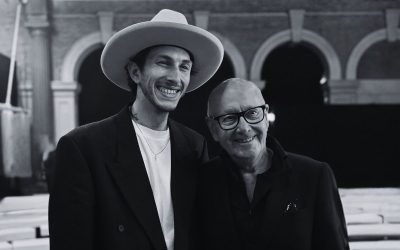
Rudi Lewis @ LGA Management

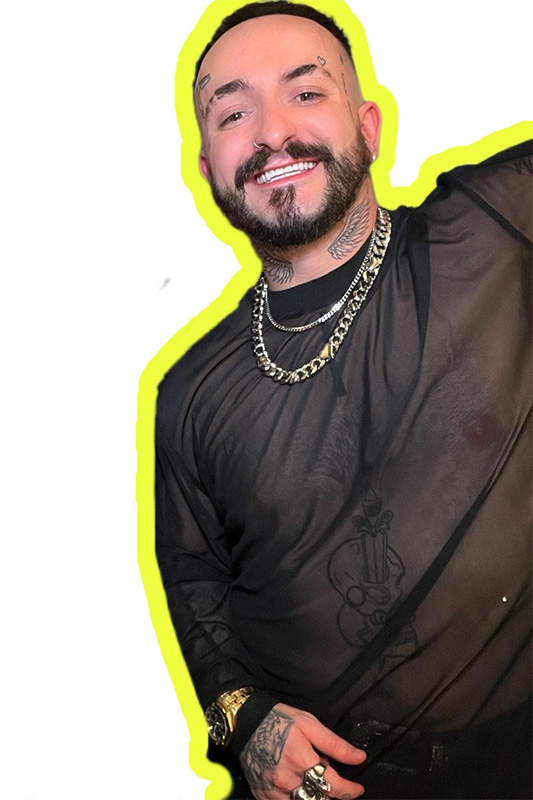
On certain jobs session stylist Rudi Lewis finds himself people-pleasing โ€“ a habit formed during his years working on clients in salons, and one he canโ€™t quite shake off. But put him in a room with people he clicks with and off he goes โ€“ liberated, empowered and excited to create looks that pulsate with the raw energy and rebellion of the music and subculture worlds where his heart and soul have always belonged. Thatโ€™s when youโ€™ll see Rudi at his scintillating, sensational, zeitgeist-defining best โ€“ and see why brands such as Gucci, Dior and Louis Vuitton want him on their teams. Creative HEAD meets a risk-taker par extraordinaireโ€ฆ

Damp, squalid, overcrowded โ€“ the Glasgow tenements of the โ€™70s had some of the worst conditions in Britain. Not the obvious background for a career in high fashion, but for young Rudi Lewis, growing up on one of the roughest estates was also where he discovered music, style, and the codes of punk that later took him to some of the most glamorous places in the world. โ€œWhere I lived, you could get beaten up for having the wrong pair of trainers, it was pretty homogeneous,โ€ he says, โ€œso I can still remember the first time I saw David Bowie or Adam Ant and thinking, โ€˜Oh, itโ€™s okay to be yourself, I donโ€™t have to live this life, I can be someone with my own style somewhere else.โ€™โ€

Rudi Lewis @ LGA Management

On certain jobs session stylist Rudi Lewis finds himself people-pleasing โ€“ a habit formed during his years working on clients in salons, and one he canโ€™t quite shake off. But put him in a room with people he clicks with and off he goes โ€“ liberated, empowered and excited to create looks that pulsate with the raw energy and rebellion of the music and subculture worlds where his heart and soul have always belonged. Thatโ€™s when youโ€™ll see Rudi at his scintillating, sensational, zeitgeist-defining best โ€“ and see why brands such as Gucci, Dior and Louis Vuitton want him on their teams. Creative HEAD meets a risk-taker par extraordinaireโ€ฆ

Damp, squalid, overcrowded โ€“ the Glasgow tenements of the โ€™70s had some of the worst conditions in Britain. Not the obvious background for a career in high fashion, but for young Rudi Lewis, growing up on one of the roughest estates was also where he discovered music, style, and the codes of punk that later took him to some of the most glamorous places in the world. โ€œWhere I lived, you could get beaten up for having the wrong pair of trainers, it was pretty homogeneous,โ€ he says, โ€œso I can still remember the first time I saw David Bowie or Adam Ant and thinking, โ€˜Oh, itโ€™s okay to be yourself, I donโ€™t have to live this life, I can be someone with my own style somewhere else.โ€™โ€

His escape route came in the form of hair. Inspired by Irvine and Rita Rusk, the super-stylish Glaswegian hairdressing duo who had won countless national and international awards and who went around the city in matching leather overcoats and oversized sunglasses, salons were springing up all around Glasgow and 16-year-old Rudi โ€“ who had always known how he wanted to look and how he wanted hair to look โ€“ found himself training at local salon Billy Smithโ€™s in Clydebank, before qualifying at James Margey in Glasgowโ€™s West End. โ€œIt was an oasis of cool people like Iโ€™d never seen before,โ€ he recalls. โ€œI loved it.โ€ When a hairdresser neighbour left to go and work at Trevor Sorbie in London, a 17-year-old Rudi followed โ€“ and never looked back.

He chose to work at Eclipse in north London because they shot photo-collections and took part in the Alternative Hair Show. Rudi had already developed a love of image-making, thanks to a friend of his motherโ€™s, Nick Peacock, who back home had taught him how to use a camera and develop his own photos in a dark room. Rudi is grateful for his time at Eclipse because itโ€™s where he learnt how to run a salon but, desperate to work in Covent Garden, in 1995 he chose to move to Paul Windleโ€™s salon because โ€œhe had work from really cool photographers such as Glen Luchford in his windowsโ€.

It must have been an omen, because thatโ€™s where Rudi met Eugene Souleiman, who told him he loved his work and that he shouldnโ€™t try and copy anyone elseโ€™s, and thatโ€™s how Rudi ended up assisting Eugene at the shows, and where Rudi excelled and found his niche. And thatโ€™s how a career in session was born.

The Motif, photography by Casper Wackerhausen-Sejersen

How important to your session career were those early years working in salons?

My time in the salon was genuinely formative in so many ways. For example, when I was at Eclipse I assisted an Afro hair specialist called Randolph Gray, who did tonnes of clients all day long, so I had to learn how to work with Afro hair. At that time it was unusual for white hairdressers to have much experience with Afro hair, it was a totally separate industry in a way. But I was exposed to it quite early on in my career, and itโ€™s meant that Iโ€™ve always been confident with all textures of hair.

Paul Windle had run the academy at Sassoon and there was a culture of very technical haircutting at [his salon] Windle when I joined. I noticed there was this guy who used to pop in now and again and do these insanely good haircuts. It was Eugene Souleiman, and heโ€™s one of the most unique and brilliant people I have ever met in my life. After heโ€™d seen me a few times he said to me, โ€œWhy are you trying to cut hair like everybody else?โ€ And I was like, โ€œWhat do you mean?โ€ And he said, โ€œDonโ€™t try to be like them because youโ€™ve got your own thing going on. Youโ€™ve got great hands.โ€ And that was the most inspirational thing anyone had ever said about my work. And funnily enough I had actually suffered from impostor syndrome at Windle, because I felt like I wasnโ€™t as good or as technical as the other stylists there.

When Eugene asked me to come and do some shows with him, I had to ask Paul for permission because I was a very busy stylist. At that time, the session world was very separate from salon โ€“ if you wanted to become a session stylist, it was either because you thought you were better than anyone else in the salon or you just wanted to get out of there. But Paul saw that it could be very interesting if we could learn session techniques and bring them into our work in the salon, that it would be a very good USP for the business. And it was around this time we also connected with Bumble & bumble (Windle went on to become a distributor for the brand) and its entire product range was based on session. We also had magazine journalists coming into the salon and they would say, โ€œOh, can you fix the hair on a shoot weโ€™re doing for The Face this weekend?โ€, so I was starting to do a lot of shoots, as well.ย  When I look back, those were the golden years at Windle and I am still very proud of that time because I think we created a direction in hair salons and hairdressing that was totally new and really very good. We produced a lot of excellent hairdressers who went on to do great things.

โ€œYou can get these jobs where you get a chemistry going and that can be really liberatingโ€

i-D, photography by Josh Olins

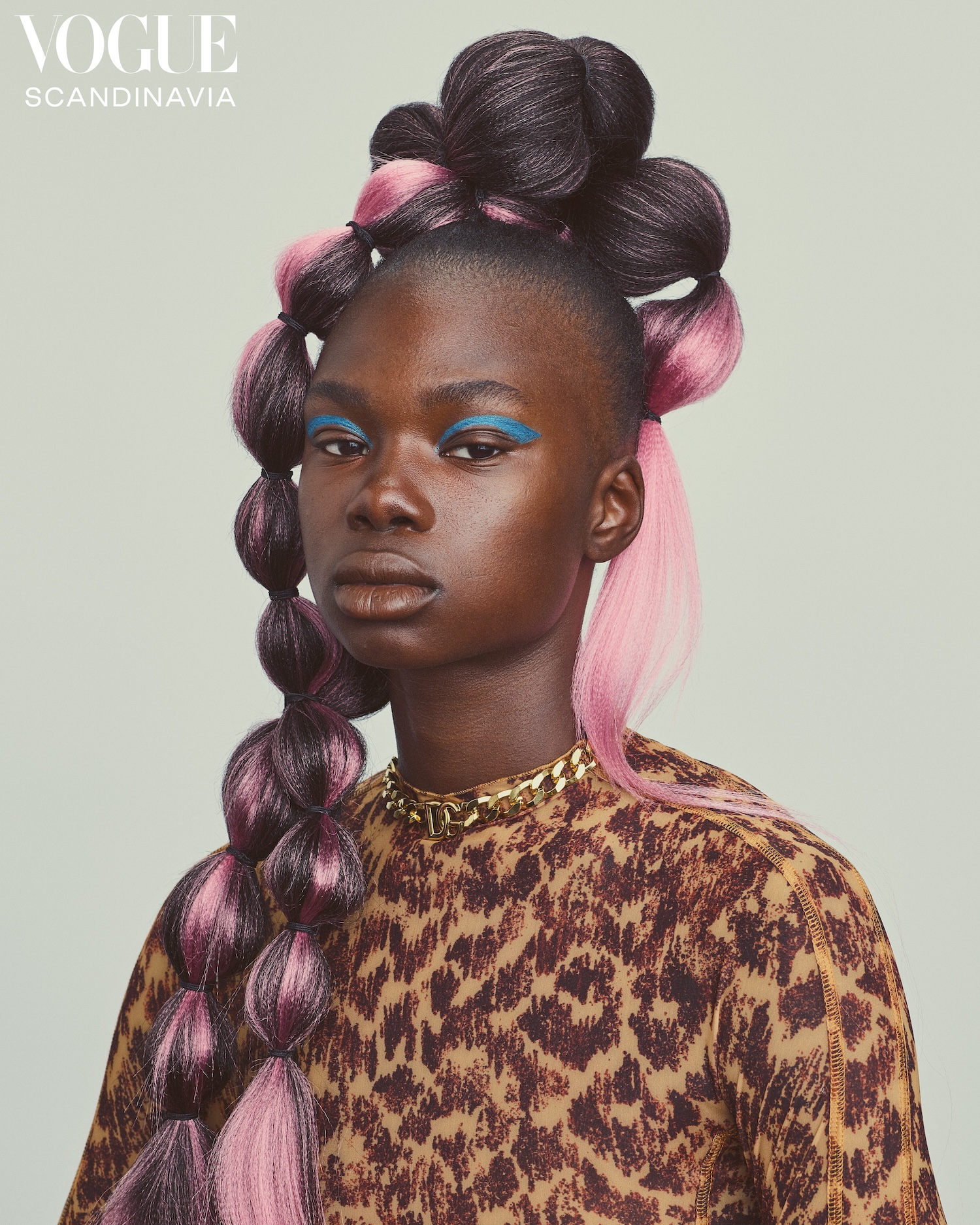
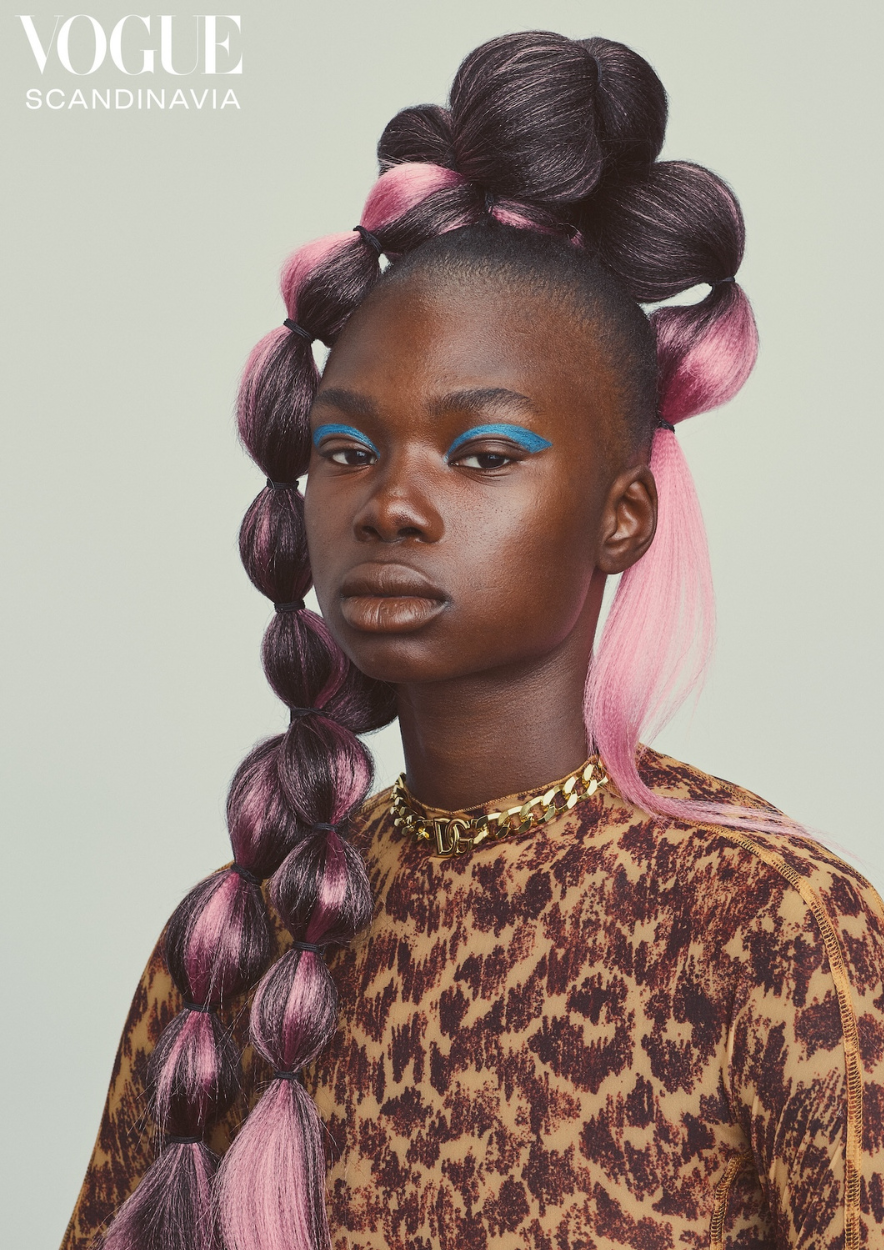
Vogue Scandinavia, photography by Gregory Harris

Thatโ€™s a heck of a start, assisting Eugene. So where did things go from there? How did you get your first break as an independent?

After I left Windle, I moved to Sweden to be with my partner, but I kept flying back to London to do clients. By that time, it was becoming more acceptable to flick back and forth between salon and session, so I was freelancing at salons like Michael Van Clarke, who was happy for me to juggle clients in between shoots, and Daniel Hersheson, whose son Luke was also getting started in session around then. I joined an agency that was mainly based out of New York and things blew up very quickly. Within a matter of weeks I was shooting my first covers for Vogue and was even commissioned to shoot a hair story for Paris Vogue, which was mind-blowing at the time!

How confident were you in your work, given how quickly things were moving?

Even to this day I always have a slight panic before I go on a job, and I think I need it. I donโ€™t like it, and it makes me uncomfortable, but I think that if I didnโ€™t have it, I would probably get lazy. But then you can get these jobs where you just click with the rest of the team, you get a chemistry going and that can be really liberating, so it really depends on the job. If Iโ€™m going into a job with people Iโ€™ve worked with a lot and they clearly like what I do, then I feel free to push myself more. But when Iโ€™m working with a client for the first time, my tendency is to go back to โ€˜hair salon guyโ€™ and approach it like a consultation and ask them about their expectations so I can deliver what they want really well. Iโ€™m quite a thorough consultant [he laughs]. But I will probably always have a bit of impostor syndrome.

How would you describe your aesthetic? What is it that people book you for?

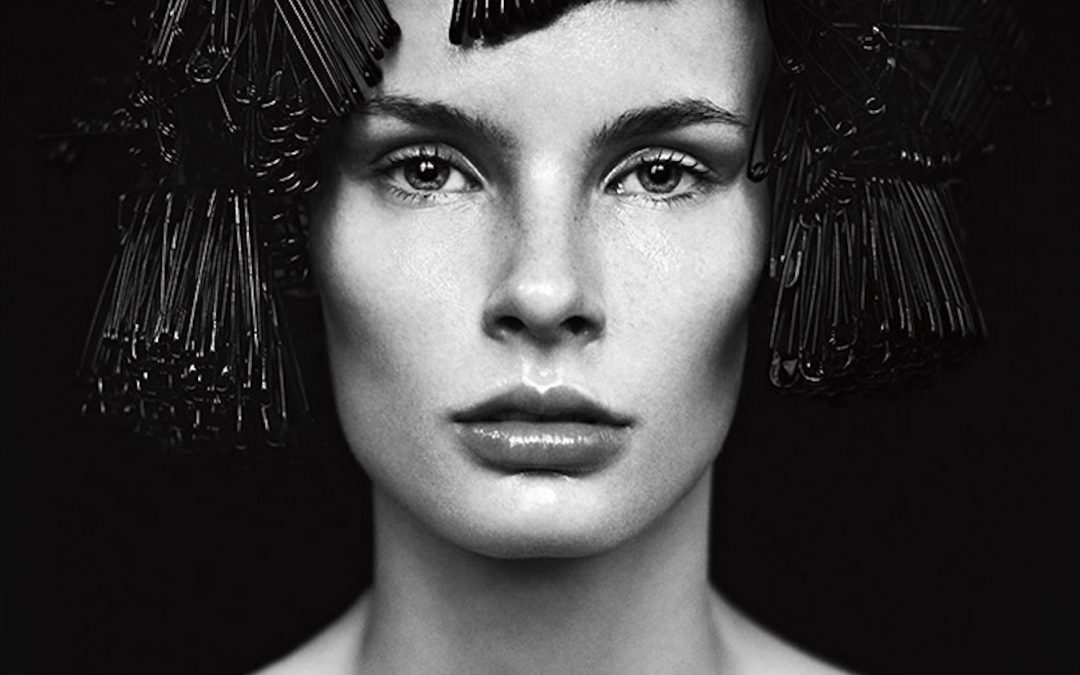
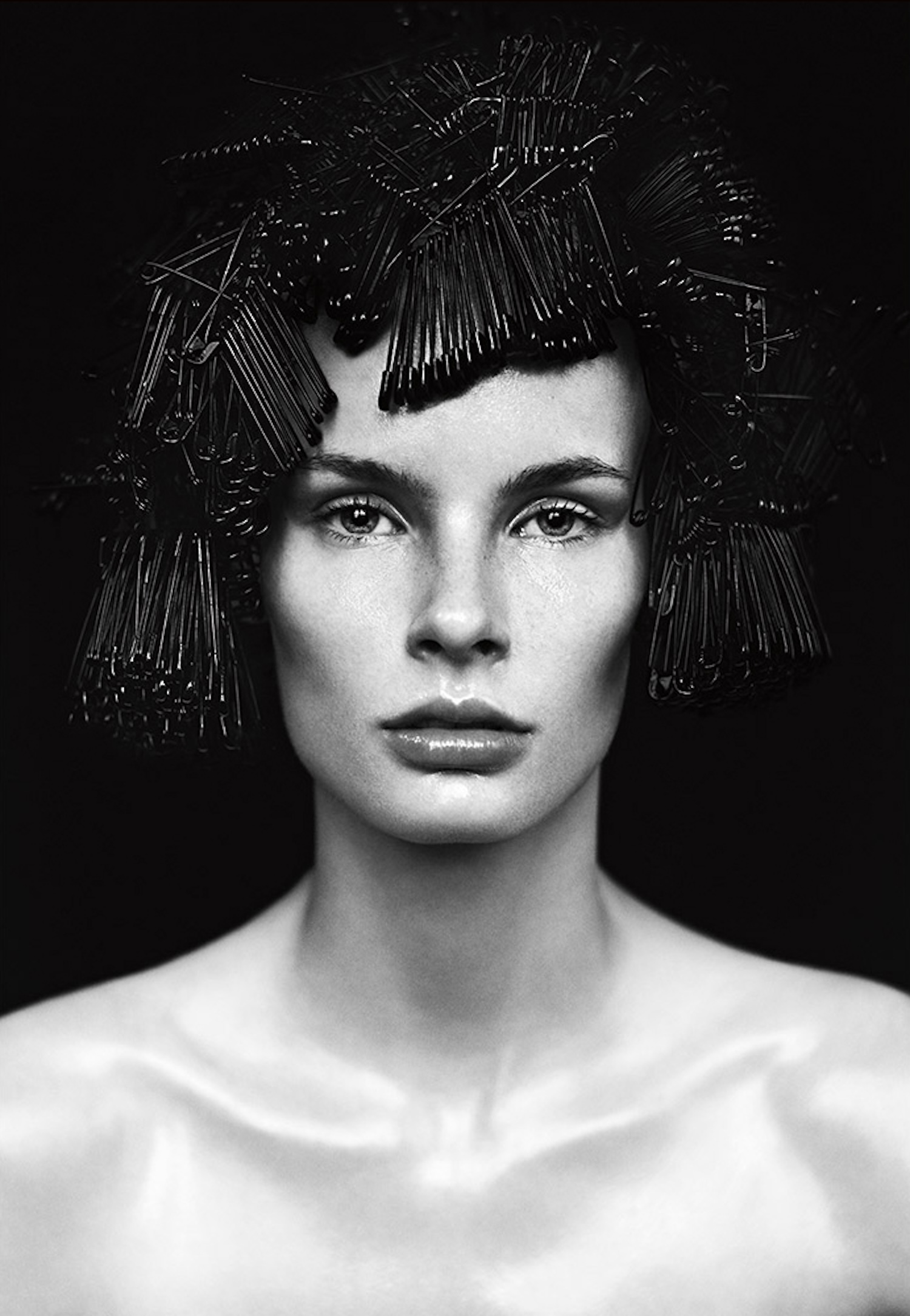
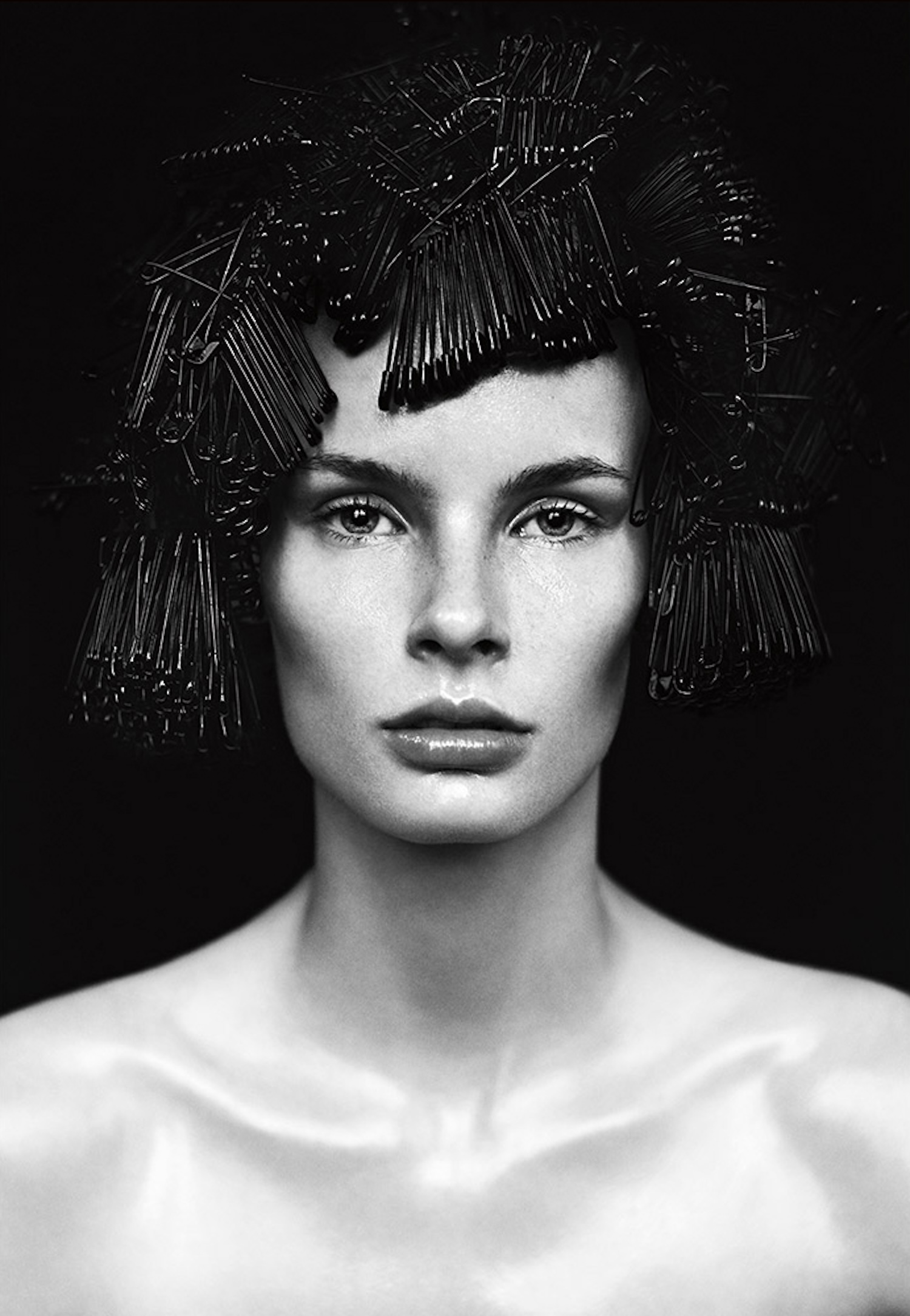
I donโ€™t really like perfection. I like there to be elements present in the hair that are human โ€“ something that you know the hairdresser did, like a little tuft of hair that goes that way or one that goes over there. I always need to break the thing. Even when I do the most perfect shape, Iโ€™ll just do one little tweak, I canโ€™t help myself. My silhouettes are coming from things that I think are cool and rooted in subculture. So, people like Morrissey, Patti Smith, Debbie Harry, Kurt Cobain, Nick Cave, Marianne Faithfullโ€ฆ you know, just iconic musicians that I grew up listening to. Even when Iโ€™m working on a glamorous high fashion shoot, I tend to reinterpret those looks. I also do some abstract work, creating wigs out of materials that arenโ€™t hair, like buttons or safety pins, but the silhouette is always a recognisable hairstyle, like a bob, or a beehive, but in plastic or something. I want people to see that. Maybe they donโ€™t, but itโ€™s there if you look.

Out of Order, photography by Sรธlve Sundsbรธ

Self Service, photography by David Armstrong

And how have you managed to stay true to your aesthetic throughout your career?

Itโ€™s something that Iโ€™m more aware of now. I think earlier in my career I did projects that were more commercial or high glamour, and I went along with it because I was working with all the big names. But looking back, I always felt that I didnโ€™t really belong. So, I made a conscious effort to go back to my roots and do projects that felt authentic to me. It was around this time that I began to contribute to Beauty Papers magazine, which was looking for work that was coming from a less obviously commercial place, less product-oriented. The projects Iโ€™ve done for them have been very much my aesthetic and it was a real turning point for me because it gave me the opportunity to showcase a more intelligent kind of hair story. So, nowadays Iโ€™m quite careful only to take on projects that are true to my style.

Session is a competitive industry. How do you stay sane?

I used to be pretty competitive. I would flick through magazines, and it would make me feel envious, thinking, โ€˜Why didnโ€™t I get that job?โ€™ or whatever. But one of my best friends is a stylist who has gone on to become one of the biggest names in the fashion industry. I remember having a conversation with him some years ago and he said, โ€œThe funny thing is, itโ€™s never how you think it is. So, sometimes you donโ€™t get a job and you think itโ€™s because youโ€™re not good enough or someone doesnโ€™t want to work with you. And itโ€™s totally understandable that you would think like that because you donโ€™t have all the information. But Iโ€™m in that room when the conversations are taking place, and it literally could be just a random reason why someone else gets the job. Itโ€™s not personal at allโ€. So, that was good to know and understand, I do try to keep a healthy distance from these things nowadays. I do feel like I deserve to be where I am. Sometimes you donโ€™t get the job and a week later something else great comes in.

The Last Magazine, photography by Nathaniel Goldberg

Who do you enjoy collaborating with? Who brings out your best work?

When I work, Iโ€™m always stood right next to the photographer, constantly touching the hair and changing things because I know photographers respond to that. I see how light falls on the hair and I see how the hair might affect the light on the face, things like that. A lot of hairdressers are thinking about their hairstyle; but Iโ€™m thinking about the picture. Iโ€™ve done a couple of projects with Paolo Roversi, which was very liberating. I have also done some amazing shoots with a Swedish photographer called Julia Hetta, where I really got to push it and do some great hair. I also got to work with David Bailey, which I absolutely loved because heโ€™s a legend. But right now Iโ€™m really enjoying working with new, up-and-coming photographers. Iโ€™m working with a guy called Sam Rock, who is just killing it at the moment, heโ€™s an amazing talent. Another great one I shoot with is Drew Vickers, and itโ€™s always very collaborative with him. I like it when Iโ€™m able to have a voice and some creative influence over the outcome of the shoot.

Everyoneโ€™s a photographer on social! Are you a fan?

Sometimes I feel that weโ€™re drowning in imagery. The algorithm means that great work is getting diluted by the mediocre work that surrounds it. People barely look at things for more than a few seconds, so I think thatโ€™s a downside. Itโ€™s the constant scroll on the phone! I used to be a voracious reader, Iโ€™d read a book every week, and then because of looking at my phone there was a time when it was taking me months. And so, I just checked out from it. I wasnโ€™t posting anything at all. Right now, weโ€™re trying to detox in our house a little bit, so the kids get an hour when theyโ€™re home from school where they can chill and be on their iPads or whatever, and then we all switch everything off so no oneโ€™s on their phone in the evening. I just think itโ€™s healthy, you know.

For me itโ€™s all about doing stuff that I really enjoyed before in the analogue world, and then getting to a place where Iโ€™ve generated enough work that I actually want to post on social media. Itโ€™s why Iโ€™ve found myself this little salon-cum-studio space in Stockholm and Iโ€™m going to make it this place where every week someone comes over, a bit like a go-see, and Iโ€™m going to do their hair and then shoot them, so I generate my own imagery in a quiet, organic, real kind of way. It wonโ€™t be retouched and it will be done in my own time, not rushed, like on work shoots, just me and that person. Thatโ€™s the goal for me. Thatโ€™s how Iโ€™m able to compute social media.

โ€œI see how light falls on the hair and I see how the hair might affect the light on the face, things like that.ย  A lot of hairdressers are thinking about their hairstyle; Iโ€™m thinking about the pictureโ€

Whatโ€™s exciting you right now?

Well, my energy and focus is really on the new place. As well as being a little salon to do clients, and the portrait studio, I am planning to publish my own little books and โ€™zines, Iโ€™m about to release the first one, which is a collaboration with a young Scottish photographer called Rachel Lamb, we cast it and shot it all in Glasgow. I even borrowed my old boss James Margeyโ€™s salon to do all the haircuts. So, it was kind of full circle for me. I am really excited about that project because Iโ€™m not just the hairdresser, Iโ€™m the creative director and publisher too. I guess itโ€™s a response to the digital and AI thing, I just wanted to make something tactile, that doesnโ€™t just exist online.

Whatโ€™s the biggest risk youโ€™ve taken in your career?

Lots of decisions are difficult because you have to confront fear โ€“ your own or someone elseโ€™s โ€“ but I guess moving to Sweden would have to be up there. After 20 years in London, it was a real gamble. Itโ€™s tough to maintain a successful career, learn a new language, start over, make new friends when you travel as much as I do. My new studio is also a big risk because Iโ€™ve been so transient for so long now that itโ€™s a bit scary putting roots down. Iโ€™ve invested a lot of money, time and energy into it.

Youโ€™ve spent a long time in the session world. Any advice for someone just starting out?

Thereโ€™s something very authentic and approachable about the new generation of hairdressers working in session, and what theyโ€™re doing is actually informing a lot of the work that more established artists are doing. Youโ€™ve got all these gender-fluid, non-conformist kids who have all that language around their work and everybody wants to be in that space now, right? I mean, traditionally, all the big ideas would come from the fashion industry and trickle out into society but now those ideas are coming from young people and fashion is trying to keep up. So, what I would urge young session stylists to do is shoot with your friends, own your identity, show it through your skills because what youโ€™re doing is interesting and it is changing the world. And it looks great!

โ€œLighting Can Change Everythingโ€ โ€“ Photographer Vadym Yatsun Discusses Elevating Imagery With Experimental Lighting

โ€œLighting Can Change Everythingโ€ โ€“ Photographer Vadym Yatsun Discusses Elevating Imagery With Experimental Lighting

0{{current_slide_index}}/0{{total_slide_count}} Vadym Yatsun [The power of experimentation] View photos Vadym Yatsun Vadym Yatsun

โ€œLighting Can Change Everythingโ€ โ€“ Photographer Vadym Yatsun Discusses Elevating Imagery With Experimental Lighting

How accidentally moving to London and a chance encounter with the Trevor Sorbie team accelerated his career. 

 
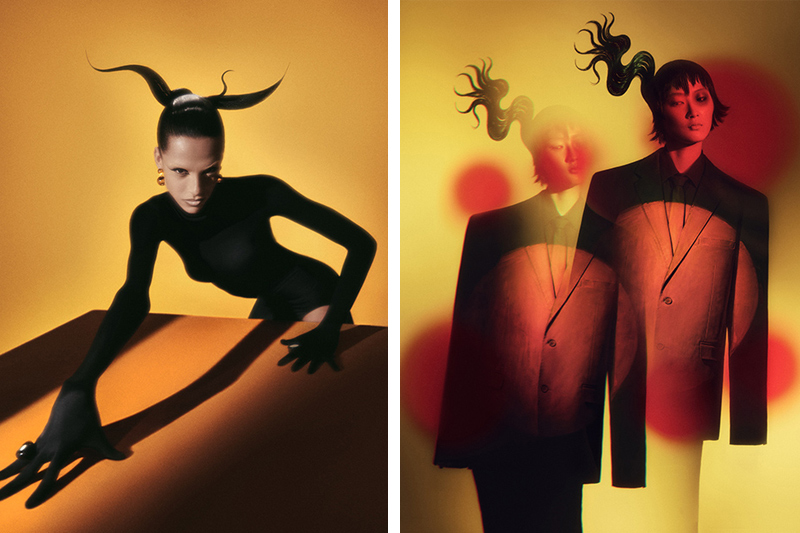
Vadym Yatsun Vadym Yatsun I became a photographer by accident; I started my career as a musician. I needed photos for my work but struggled to get a good photographer, so I started doing photography, and then it just took off for me. That was more than 10 years ago now! In Ukraine we didnโ€™t have any photography schools, so I was trying to find information on the internet, and I had to just analyse all the shoots I saw; how the lighting could work, where the lights were placed, how they could be directed โ€“ and thatโ€™s how I developed a good relationship with lighting.   Iโ€™m always prepped, but slight differences on set might change everything quite significantly. This is what I love about the creative process โ€“ it starts by working on the presentation, with the mood board, storyboard, all the looks, hairstyles, makeup and so on. Everything is carefully planned and Iโ€™m happy with how it changes on a set. The model will bring their own energy, and everything may change, but this is the magic that fascinates me. 


Vadym Datsun Vadym Yatsun
“I became a photographer by accident; I started my career as a musician. I needed photos for my work but struggled to get a good photographer, so I started doing photography, and then it just took off for me. That was more than 10 years ago now! In Ukraine we didnโ€™t have any photography schools, so I was trying to find information on the internet, and I had to just analyse all the shoots I saw; how the lighting could work, where the lights were placed, how they could be directed โ€“ and thatโ€™s how I developed a good relationship with lighting.   Iโ€™m always prepped, but slight differences on set might change everything quite significantly. This is what I love about the creative process โ€“ it starts by working on the presentation, with the mood board, storyboard, all the looks, hairstyles, makeup and so on. Everything is carefully planned and Iโ€™m happy with how it changes on a set. The model will bring their own energy, and everything may change, but this is the magic that fascinates me. 


Vadym Yatsun

Image one, Image two

I like complex stuff. The more complicated it is, the more interesting it becomes. I think lighting is one of the most complicated parts of photography. I’m a control freak and shooting with daylight is something that you cannot control. It just drives me nuts, which is why lighting is a good thing! 

“I like challenges, I find this work challenging and thatโ€™s what brings something special to my life.”
Since working in the hair industry, there have been lots of learning experiences. I believe that all photographers and people on set should know almost everything about their colleagues and the specifics of their work. As soon as I got into the industry, I started communicating with my colleagues, hairstylists, and makeup artists. I learned everything about their processes โ€“ which hairstyle should be the first, what would be the next, all and all the processes working with wigs. Now I love wigs most of all, because they make everything flexible.ย ย 

Vadym Yatsun

Image three, Image four

Getting into the UK hairdressing scene was an interesting development, as I had worked with lots of hair brands and hair magazines in Ukraine. I love hair because it creates shapes โ€“ it can save simple looks or fashion shoots! I moved to London two years ago by accident. I wasn’t supposed to move here, but I started looking for different people to collaborate with, to get a job, and any connections, and then the Trevor Sorbie team found me. I followed someone from the team, and then they followed me, which led to being invited to shoot their new collection. And thatโ€™s how things started in London!ย 

Vadym Yatsun

Image five, Image six

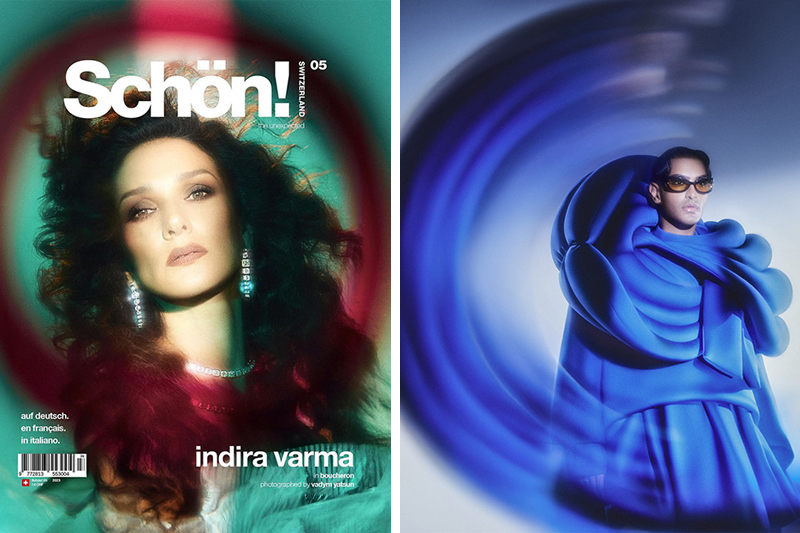
My first career highlight was this cover story for Schon! magazine with Indira Varma. She was in Game of Thrones and this was the first magazine shoot with a big budget, big sets and big brands. It was really lovely to have the trust of quite an important magazine. 
This shoot for Paper magazine was quite cool. The last couple of years changed my life completely, and they also changed my approach completely. 

My first career highlight was this cover story for Schon! magazine with Indira Varma. She was in Game of Thrones and this was the first magazine shoot with a big budget, big sets and big brands. It was really lovely to have the trust of quite an important magazine.ย 

This shoot for Paper magazine was quite cool. The last couple of years changed my life completely, and they also changed my approach completely. 
Vadym Yatsun

Image seven

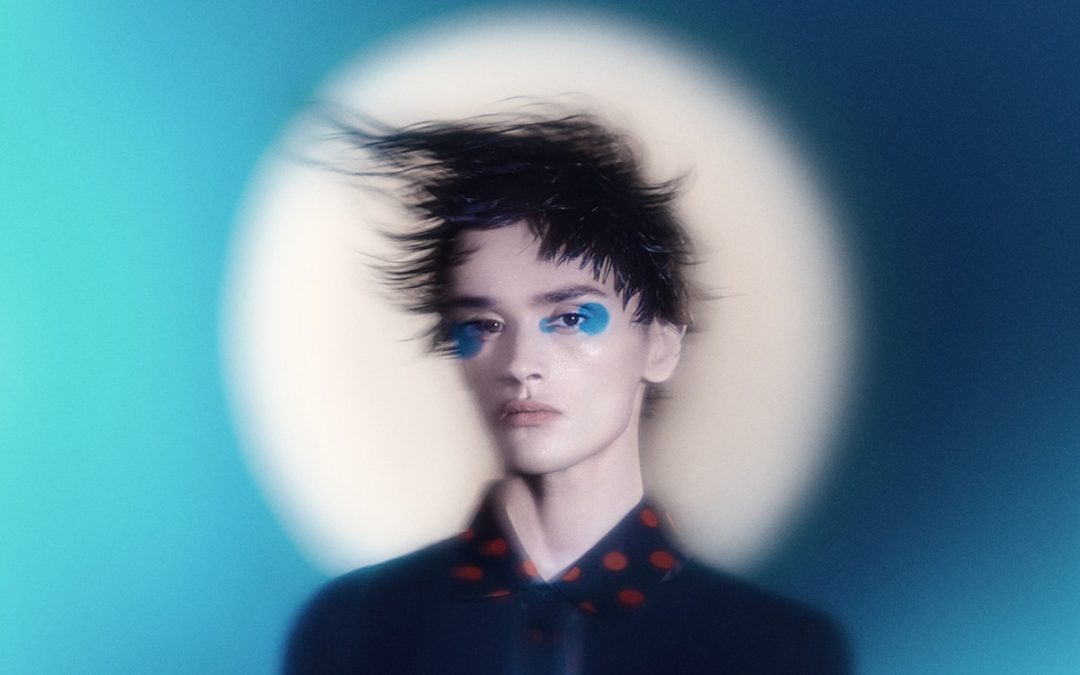
This was another image for Schon! magazine, with hair by Paul Donovan. This was the second shoot and I love collaborating with this magazine because they trust me a lot. Itโ€™s something that rarely happens, but they just trust me 100 per cent so I can experiment. We were using layers of colour filters in front of the lens, changing and distorting the image; sometimes my work is not about lighting, itโ€™s about the effect that we can give, about the layers and layers that can be placed in front of the lens. This sometimes brings unexpected results, which is also cool, and it is also part of the challenge because you never know what will happen. Itโ€™s a shoot I love, because that was the first experiment with this layering of colour filters and it was then I decided it will be part of my work and have my personal, distinctive, recognisable style. 

Image eight

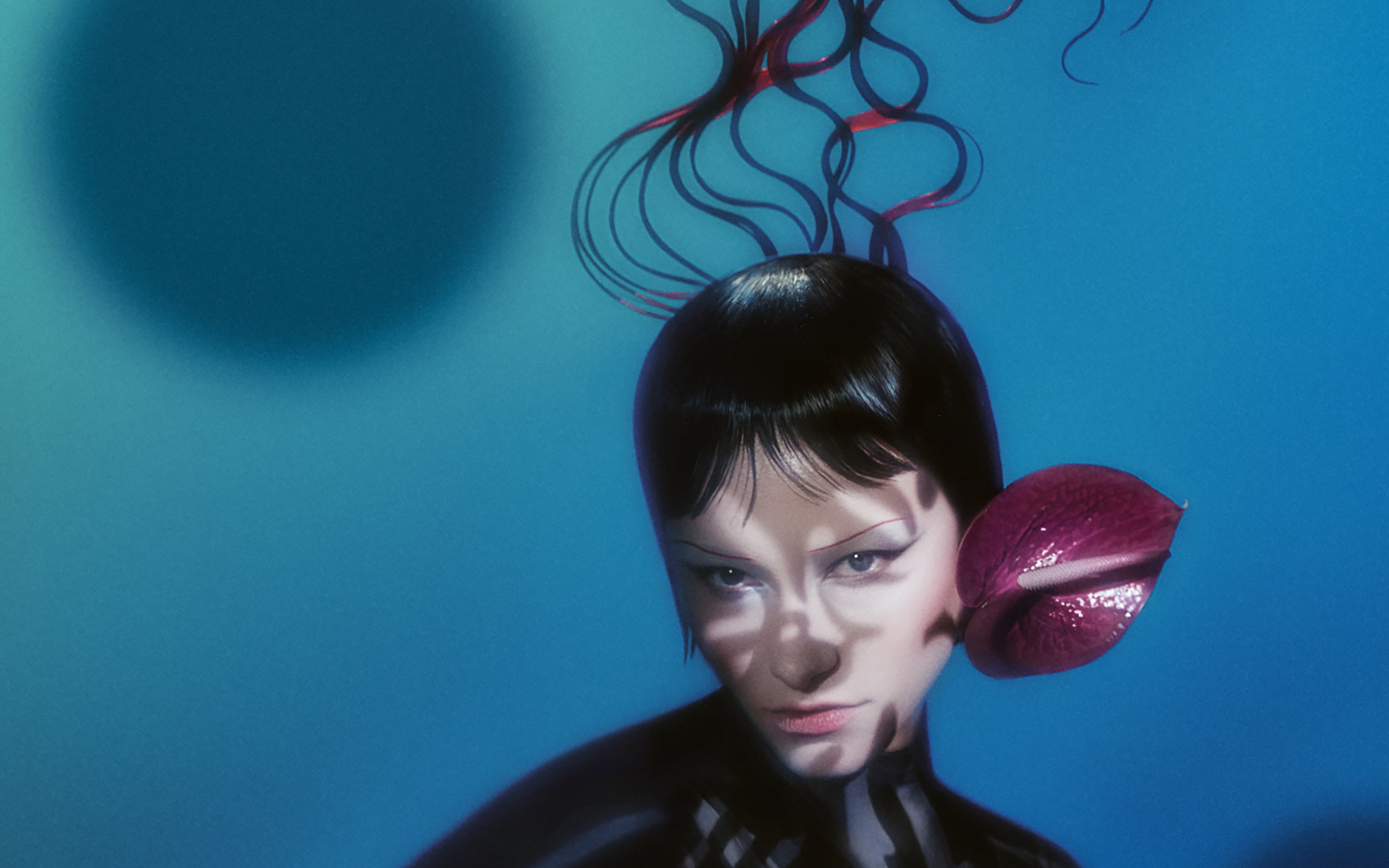
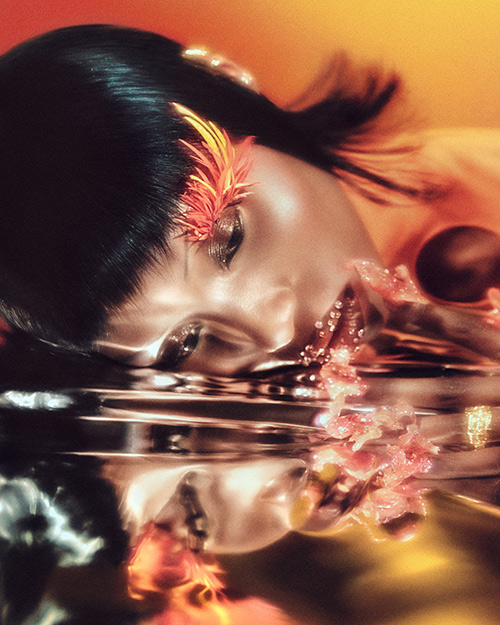
This was an amazing collaboration with one of my favourite makeup artists, Sophia Sinot, sheโ€™s worked with a lot of big talents and so that was a collaboration for Elle Ukraine, with hair by Trevor Sorbieโ€™s Tizi Dima. I love this shoot because there was a lot of playing and experimenting with flowers and working with lots of effects, such as reflecting from different surfaces. We had this amazing piece of silver film that was giving a water-like effect with the light reflecting off.
Vadym Yatsun

Image nine

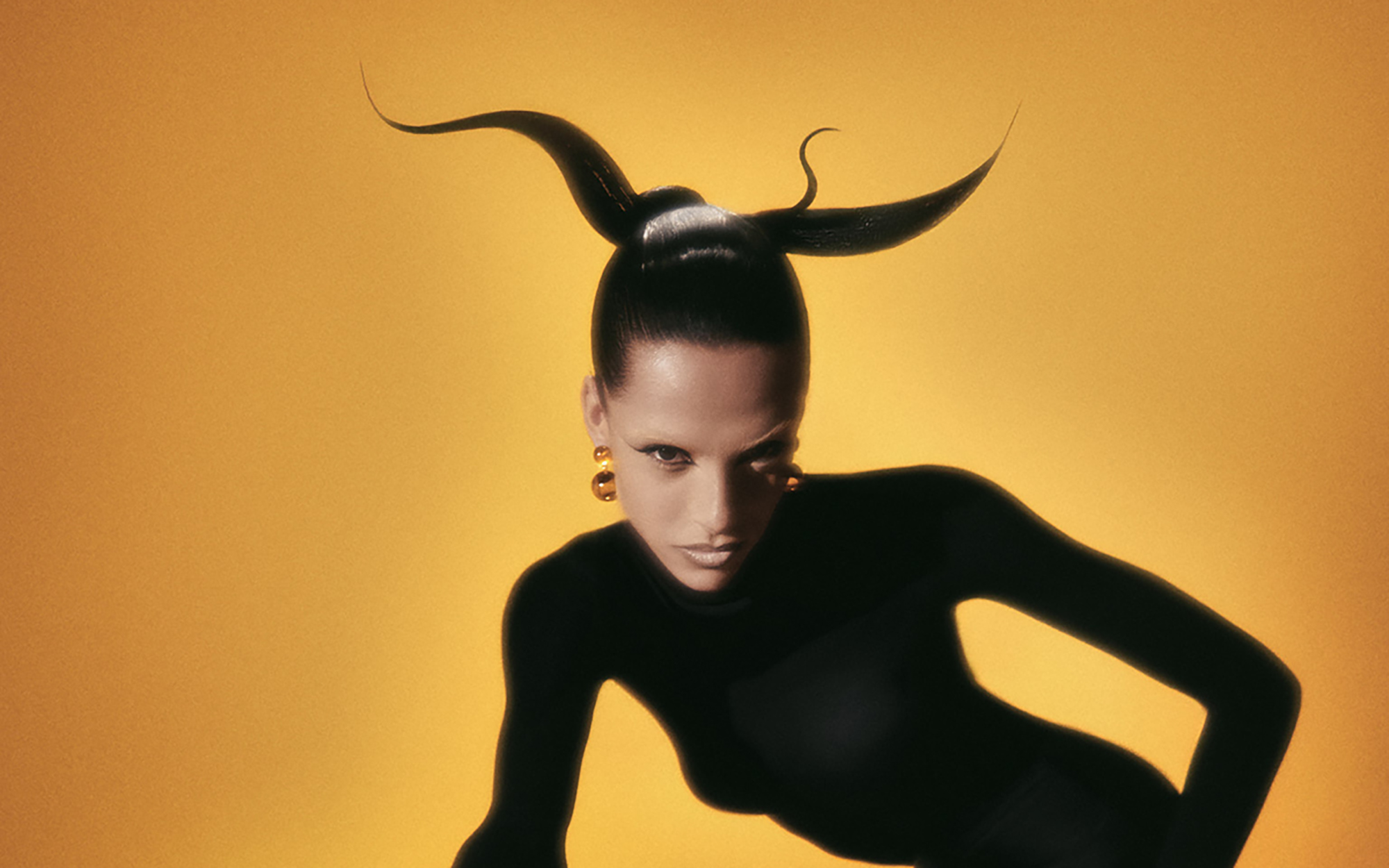
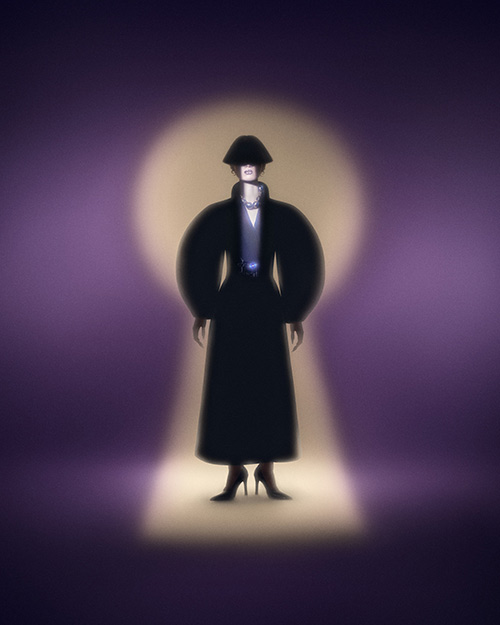
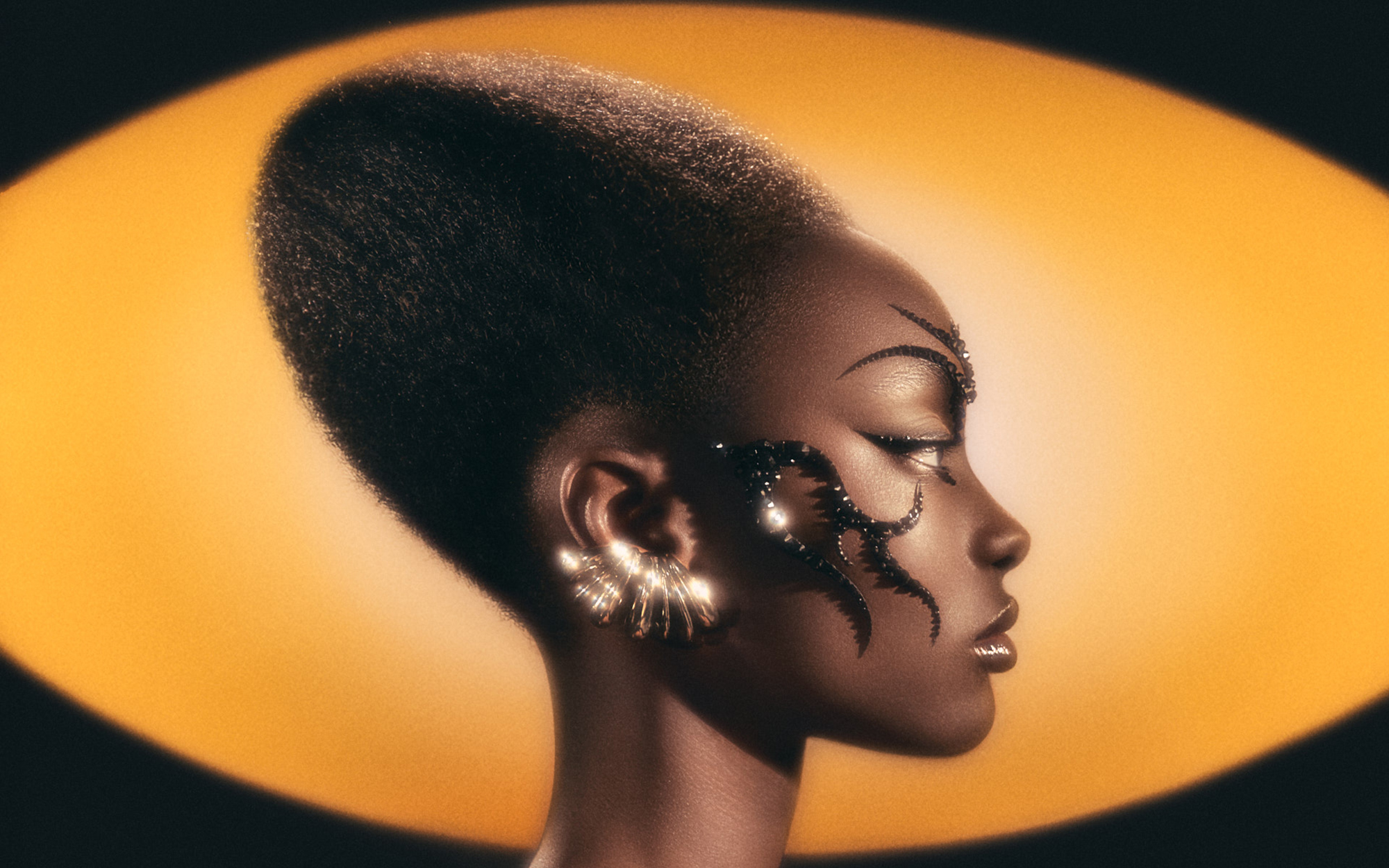
This image, with Ross Kwan on hair, we had lots of stuff that the set designer brought, and then he found this piece of rubbish downstairs and it reminded me of the shape of an eye, so he wrapped it in a piece of cloth, and that how it became the shape you see in the background. We placed it behind the model, and it worked perfectly with all the lighting, and changing the gradients, and it was cool.  Lighting is something that always goes with me, itโ€™s something that can change every set โ€“ you donโ€™t need anything sophisticated, just the white cove, and lots and lots of lights.

Credits

Image one
Hairstylist: Tizi Dima
Stylist: Yana Chaplygina
Stylist assistant: Naa-Okailey
Make-up: Julia Leshanich
Model: Liam Elias

Image two
Hair: Tizi Dima
Stylist: Ignacio de Tiedra

Make-up: Sofia Sinot 
Make-up assistant: Carolynska

Nails: Giulia Oldani
Set design: Sam Edyn
Set designer assistant: Jeremy Rwakasiisi
Model: Galina Arkhi
Photography assistant: Nicola Sclano

Image three
Hair: Ross Kwan
Stylist:
Ignacio de Tiedra
Make-up: Mona Leanne
Set designer: Sam Edyn
Set designer assistant: Jeremy Rwakasiisi

Nails: Guilia Oldani
Model: Cecรญlia Gama
Photography assistant: Nicola Sclano 

Image four
Hair: Tizi Dima
Stylist: Yana Chaplygina
Stylist assistant:Naa-Okailey

Make-up: Julia Leshanich


Image five
Hair: Paul Donovan
Hair assistant: Jessica Kell
Stylist and art direction: Ignacio de Tiedra
Stylist assistant: Enol Garรงon
Art direction: Margo Mayor
Make-up: Justine Jenkins
Set designer: Sam Edyn
Set designer assistant: Jeremy Rwakasiisi
Model: Indira Varma
Nails: Mica Hendricks
Photography assistant: Simeon Asenov, Leo Corfu

Image six
Hair: Danilo Giangreco
Photography assistants: Iryl Mugas, Nicola Sclano
Stylist: Adele Cany
Stylist assistant: Cordie Watson
Make-up: India Rawlings
Model: Rahi Chadda
Set design: Sam Edyn
Set design assistant: Jeremy Rwakasiisi

Image seven
Hair: Ross Kwan
Stylist and art direction: Ignacio de Tiedra
Stylist assistant: Khem Sharu
Art direction: Margo Mayor
Make-up: Nency
Nails: Mica Hendricks
Gaffer: Zadek T
P
hotography assistant: Joseff Williams
Model: Jiayan Yao

Image eight
Hair: Tizi Dima
Stylist: Ignacio de Tiedra
Make-up: Sophia Sinot
Make-up assistant: Carolynska

N
ails: Guilia Oldani
S
et design: Sam Edyn
Model: Tanatswa
S
et designer assistant: Jeremy Rwakasiisi
Photography assistant: Nicola Sclanoโ€จ

Image nine
Hair: Ross Kwan
Stylist:
Ignacio de Tiedra
Make-up: Mona Leanne
Set designer: Sam Edyn
Set designer assistant: Jeremy Rwakasiisi

Nails: Guilia Oldani
Model: Reny
Photography assistant: Nicola Sclano 

Related

Rosser Hairdressing Wins Big at Great Lengths GLammies

Rosser Hairdressing Wins Big at Great Lengths GLammies

Rosser Hairdressing Wins Big at Great Lengths GLammies

Salon scoops three trophies at extensions brandโ€™s 12th annual competition

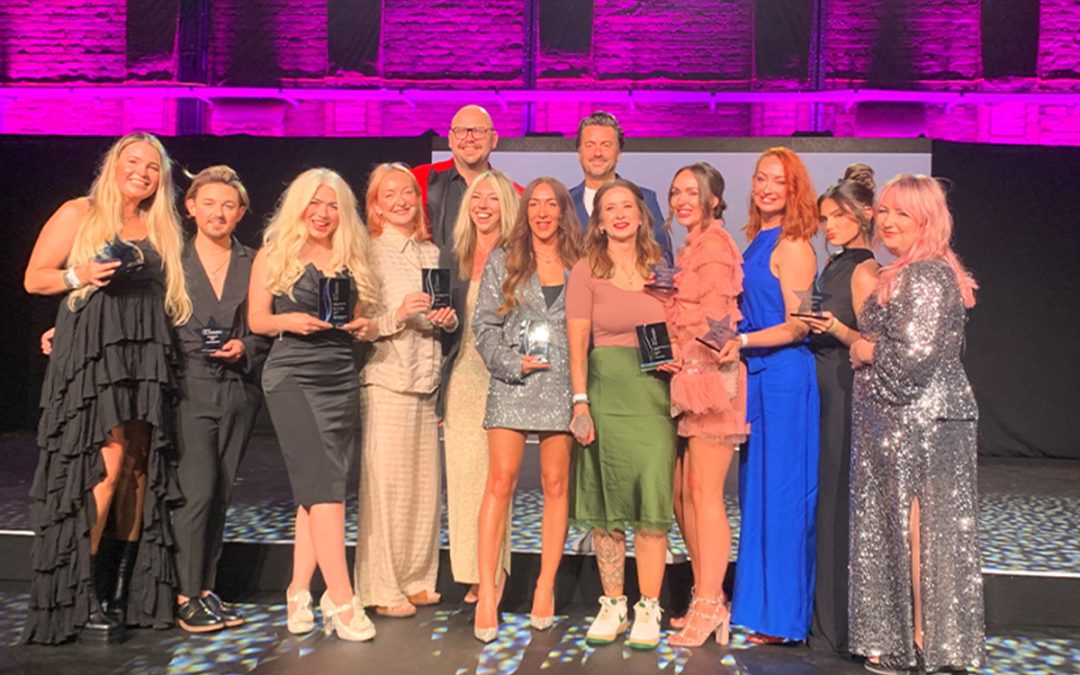
Which salon is knocking it out of the park when it comes to extensions? The answer would seem to be Rosser Hairdressing, which won three awards at this yearโ€™s Great Lengths GLammies.

Roseer Hairdressing nabbed the UK Hair Extension Salon trophy, while Beverley Rosser grabbed the Body & Bounce award, with the salonโ€™s Lydia Henderson winning Best Newcomer.

HeadUp X Calm

Also celebrated for its extension excellence was Melanie Richards Hair and Beauty, which won the Great Lengths Trophy, given to an extensionist who has โ€œdemonstrated outstanding workโ€. Katie Hemming enjoyed a successful night too, winning two awards for Captivating Colour and Longer Length.

All the category winners have also scooped a trip to Rome, which includes a tour of the Great Lengths production factory there.

And the winners areโ€ฆ

Longer Length โ€“ Katie Hemming, Love Hair

Avant Garde โ€“ Jack Trafene-Little, The Little Salon

Bridal Creation โ€“ Kirby Blythe, Hair by Kirby Blythe

Captivating Colour โ€“ Katie Hemming, Love Hair

Body & Bounce โ€“ Beverley Rosser, Rosser Hairdressing

Best Newcomer โ€“ Lydia Henderson, Rosser Hairdressing

Customer Service Award โ€“ Green & Co

Sustainable Salon of the Year โ€“ Butchers Hair Salon

Most Charitable Salon of the Year โ€“ Jade Searcy

UK Hair Extension Salon โ€“ Rosser Hairdressing

Great Lengths Trophy – Extension Excellence โ€“ Melanie Richards Hair and Beauty

Related