Document
explore news CONVERSATIONS HEADER Creative head x authentic beauty concept techniques header inform home inform freelance content connect home connect inform header home explore documents header creative projects header
Aminata: Redefining Textured Hair on the Global Stage

Aminata: Redefining Textured Hair on the Global Stage

Aminata: Redefining Textured Hair on the Global Stage

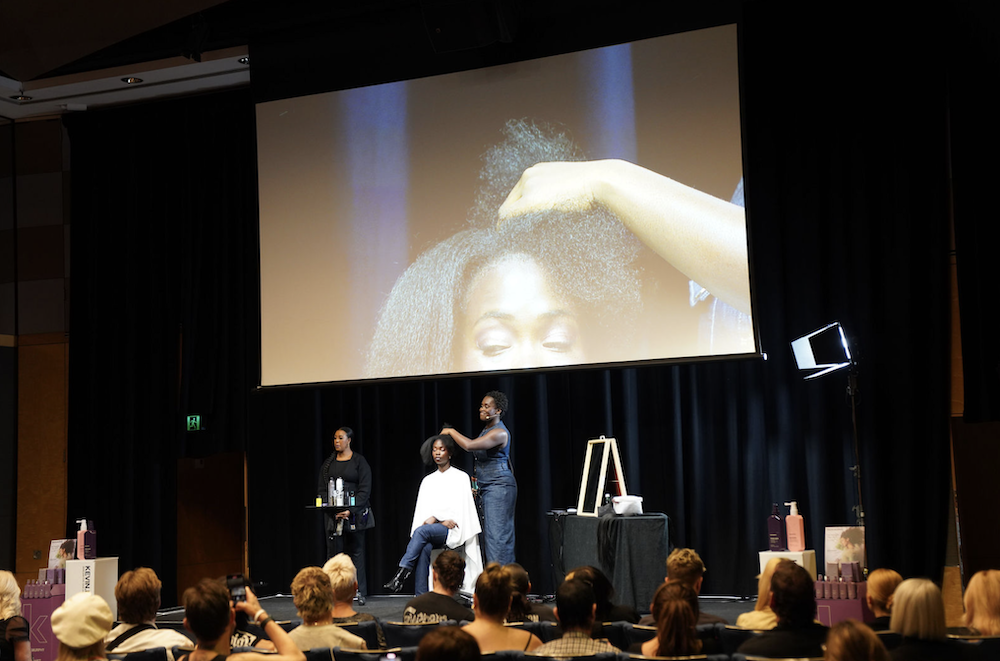
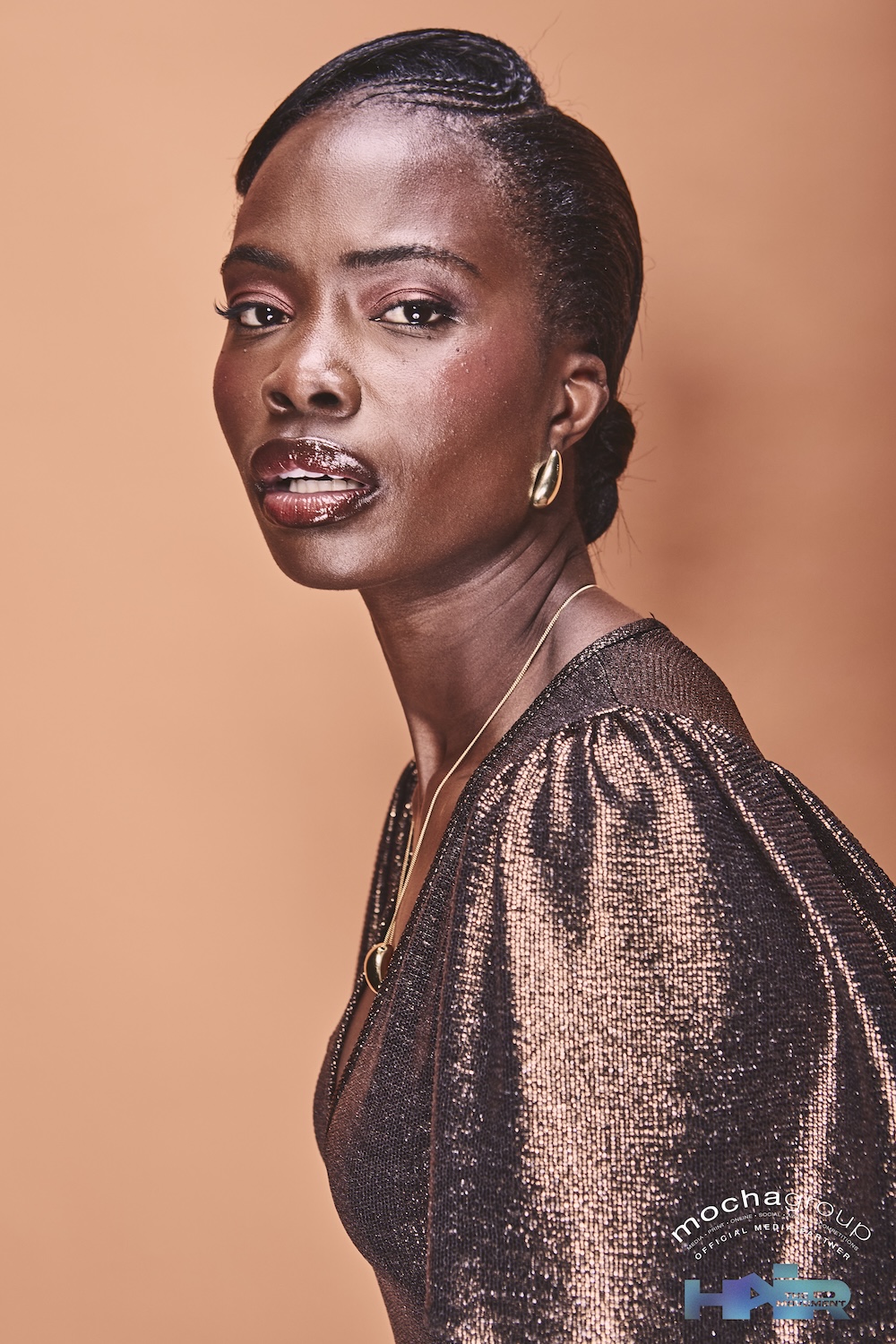
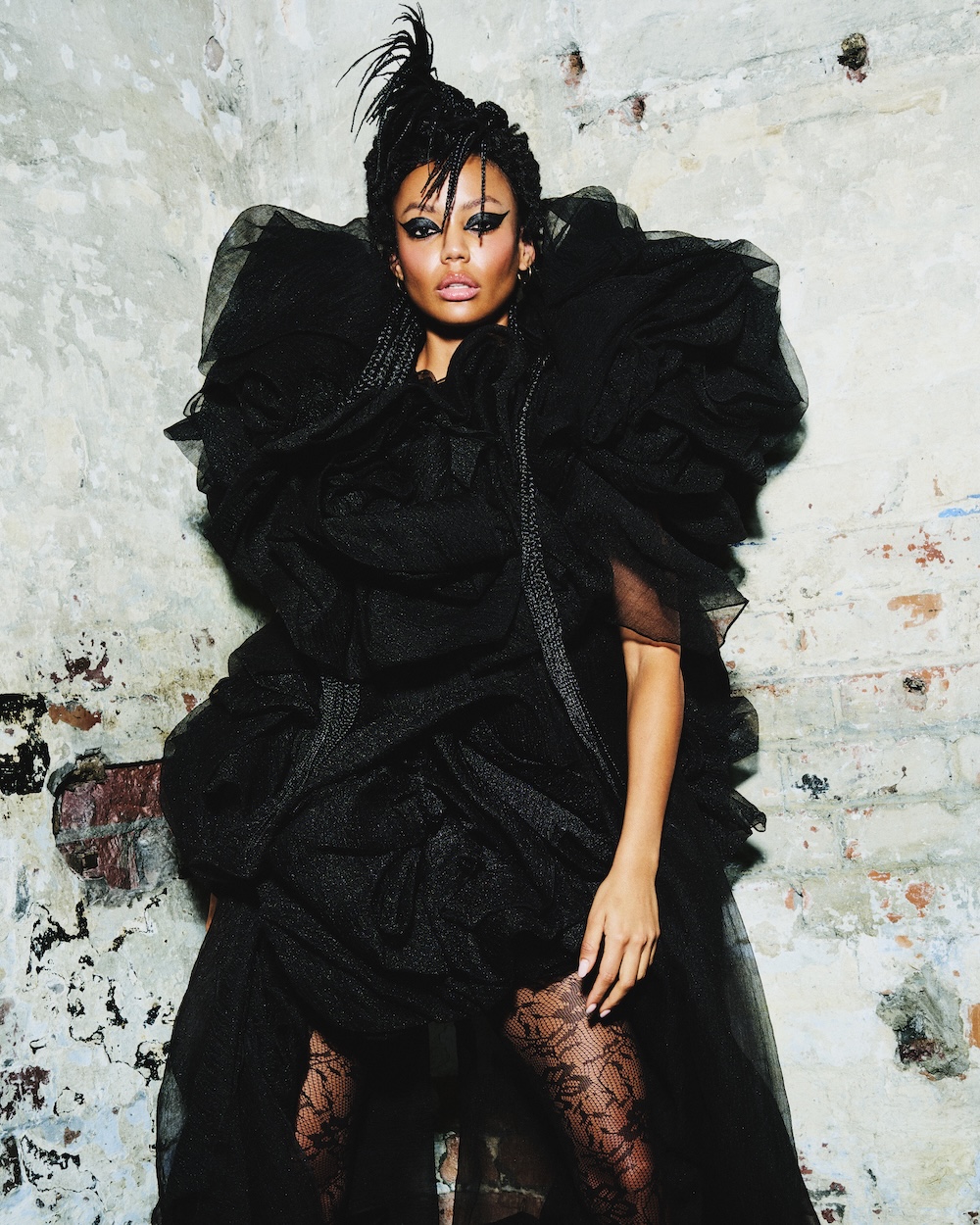
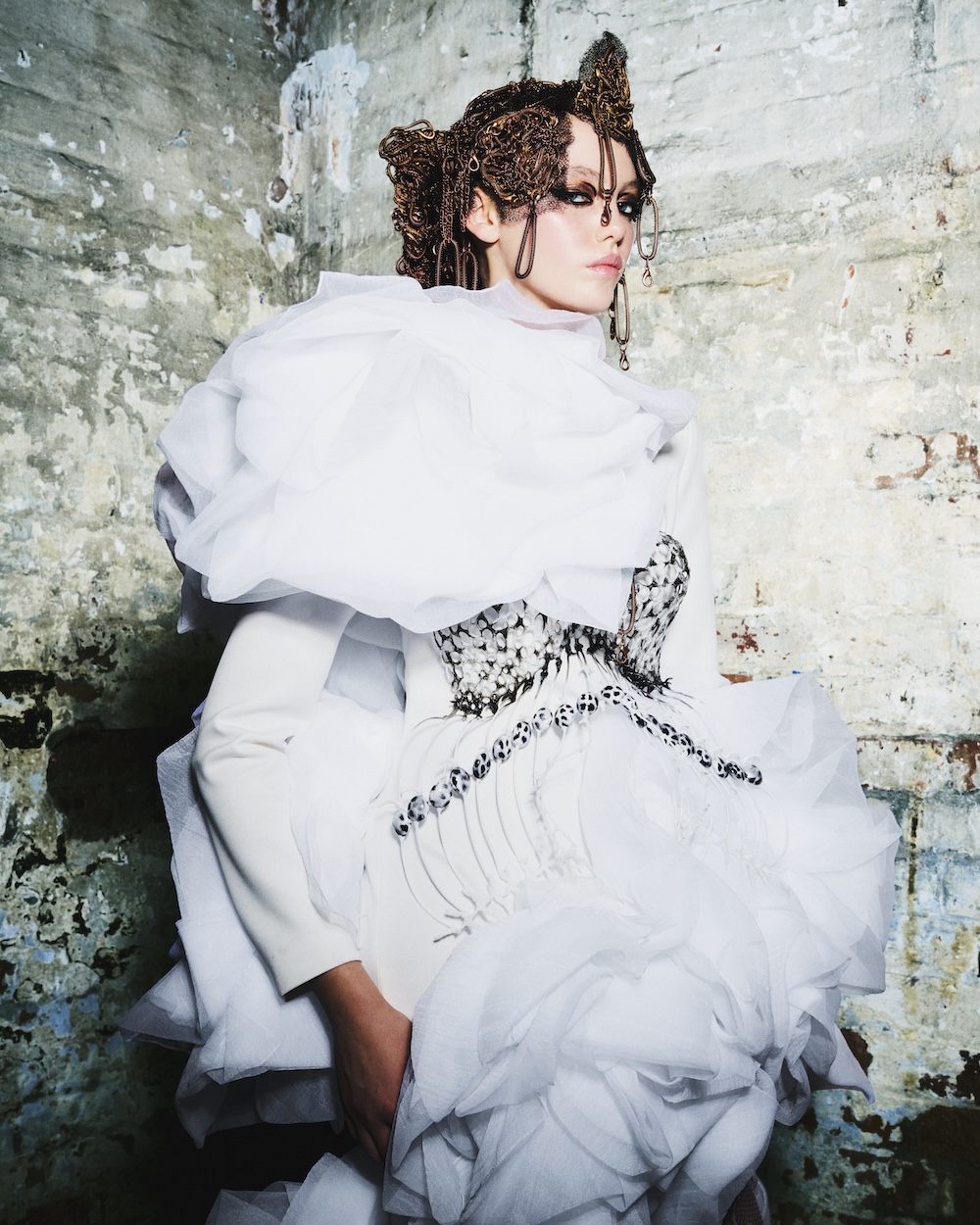
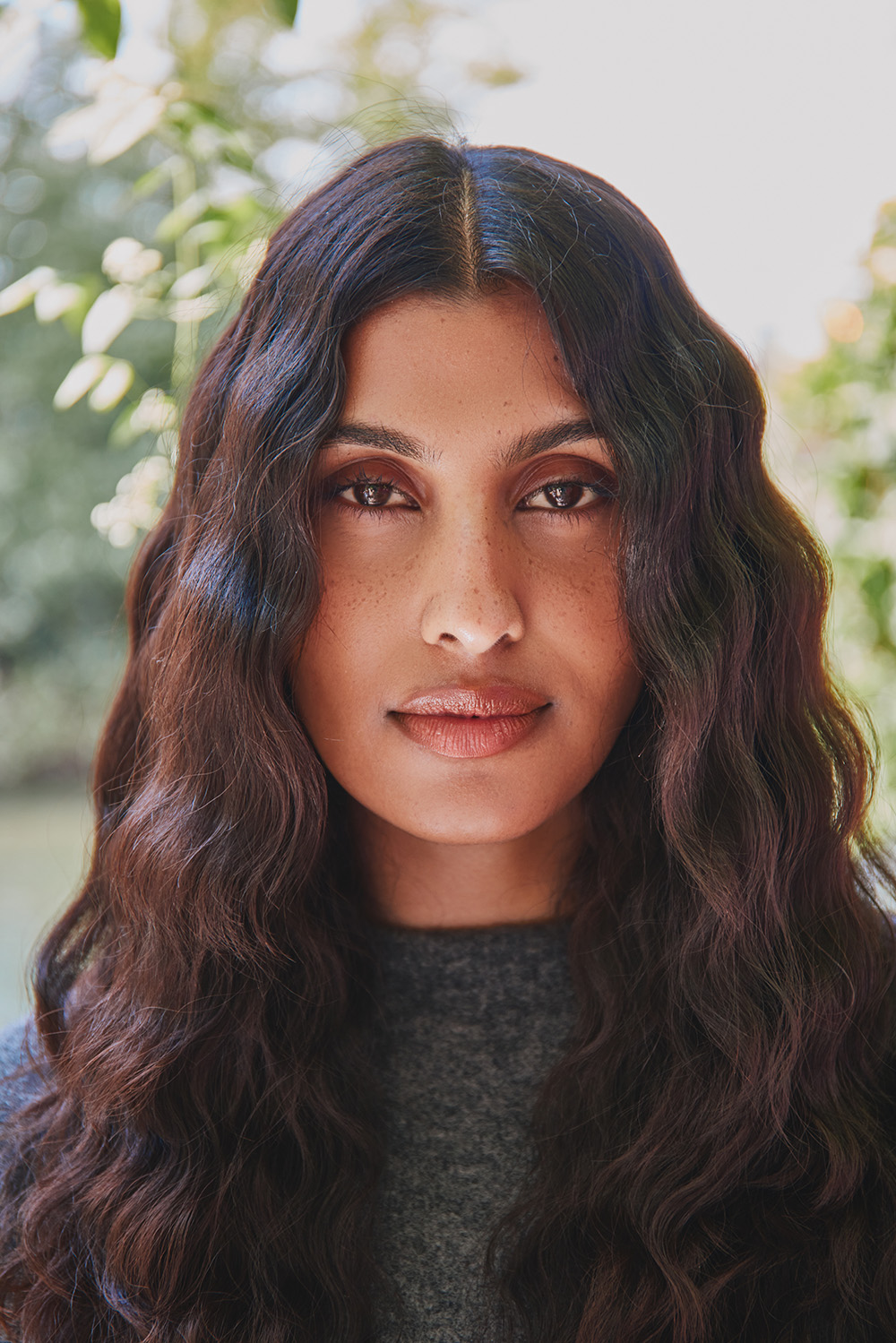
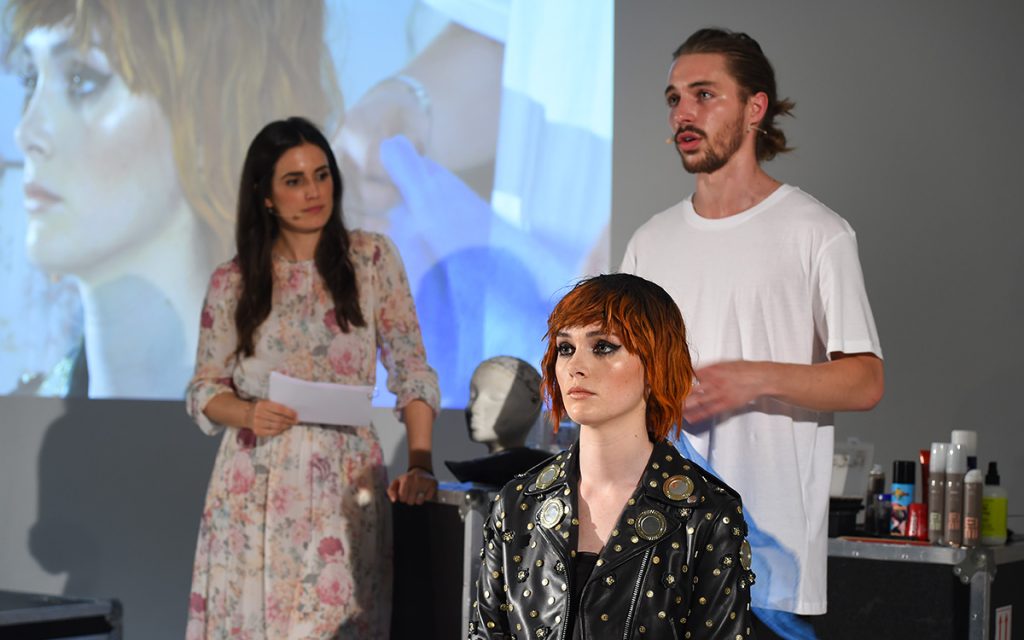
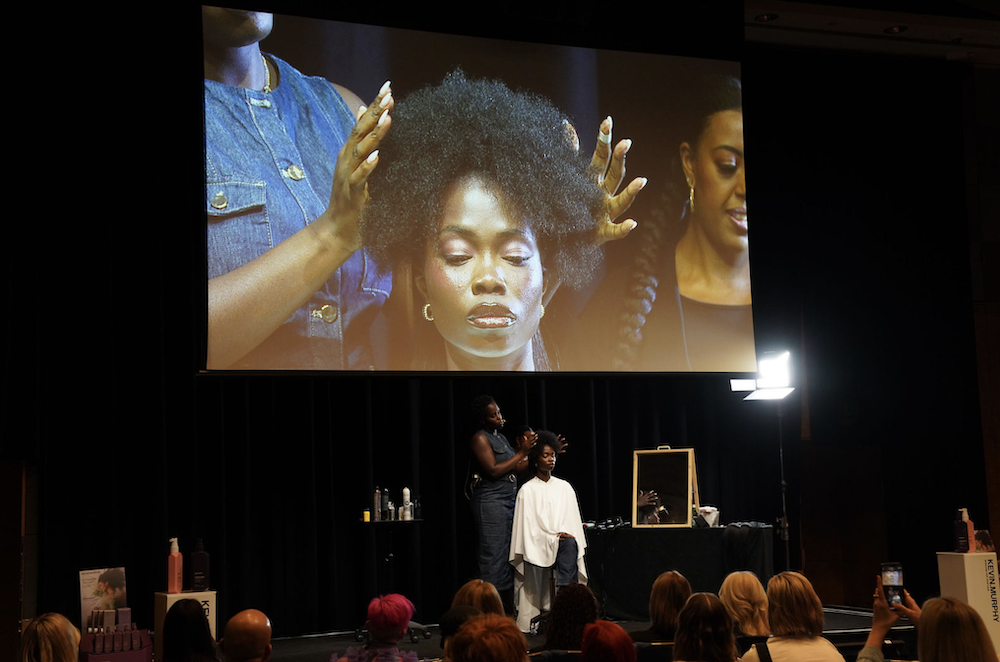
When Aminata Kamara took the stage at HAIR The Movement in Australia (14–16 September), she wasn’t just showcasing artistry, she was reframing the conversation around textured hair on one of the world’s most respected education platforms.

by ZURI | EXPLORE

Founded by industry legend Sharon Blain, HAIR The Movement is known for spotlighting the world’s most innovative stylists, but this year marked something different: a textured-hair artist not only invited, but headlining the Global Masters/Business Session. 

For Aminata, a London-based celebrity stylist with credits that span Chanel, Dior, Louis Vuitton, and Prada, the invitation is more than a personal achievement. It represents a shift in how textured hair is seen and celebrated within the global fashion and beauty industries. 

“HAIR The Movement is about cutting through the noise and focusing on true, tangible education that people can apply to their work. It’s also about opening up the conversation around how people think and feel about textured hair, removing barriers that make it seem difficult, intimidating, or limited in what it can do,” she explains. 
Reframing Textured Hair in Education 

At the heart of Aminata’s work is a simple but powerful philosophy: HAIR IS HAIR. Despite the cultural myths and anxieties that have long surrounded textured hair, she insists that the fundamentals remain universal. 

“Yes, afro and curly hair have unique curl patterns, but structurally, a hair follicle is no different from that of Caucasian or any other hair type. Viewing hair as just hair, rather than treating textured hair as something unique or difficult, would be a huge step forward.” 

Aminata begins where others hesitate, with water. Often feared for causing shrinkage in afro and curly textures, she instead embraces it as the foundation of her styling. 

“Water is a great base for prepping the hair. It reveals the hair’s integrity and helps me work with it, rather than against it,” she says. Paired with product knowledge and precision, this mindset not only destigmatises textured hair but also empowers other professionals to approach it with confidence. 
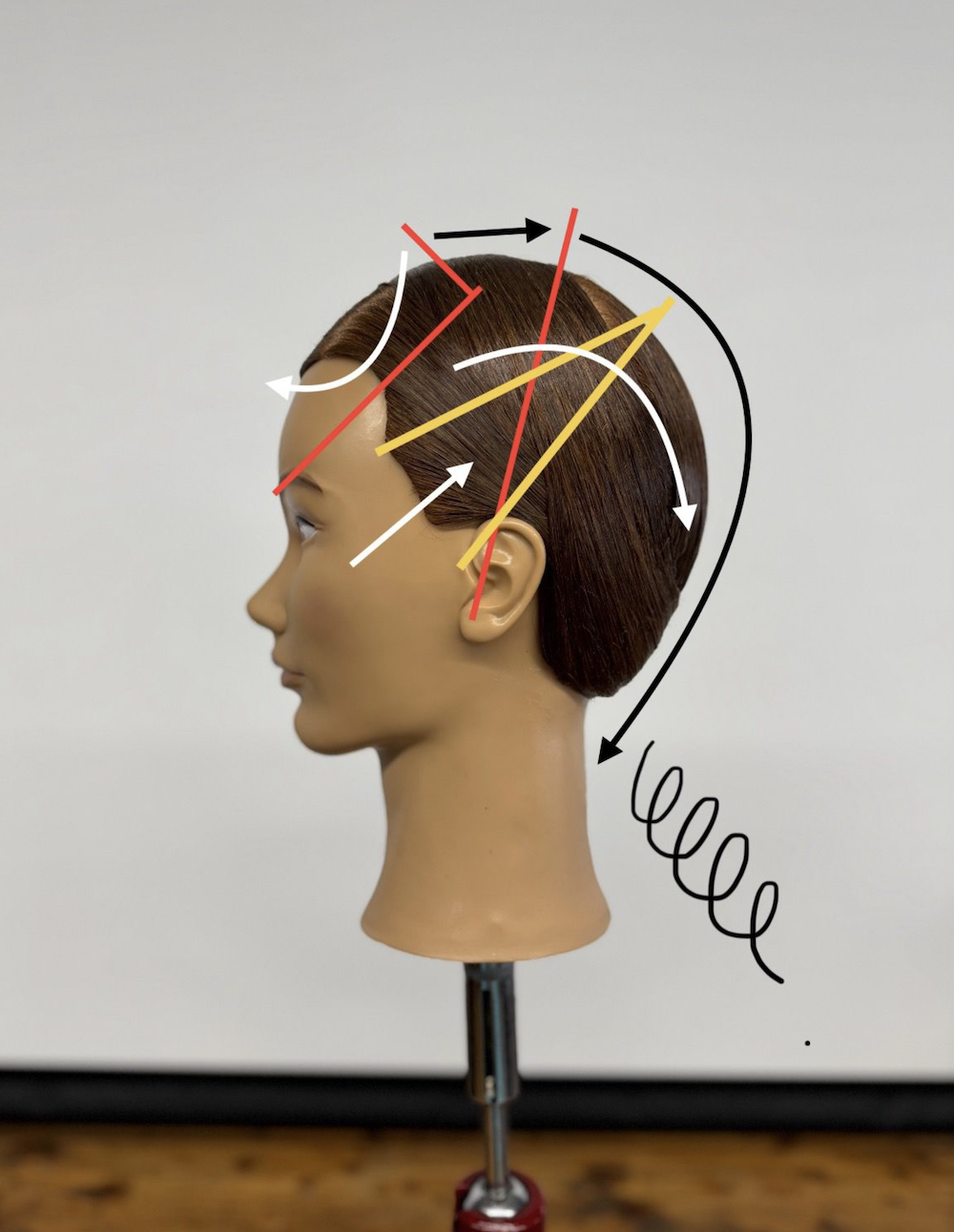
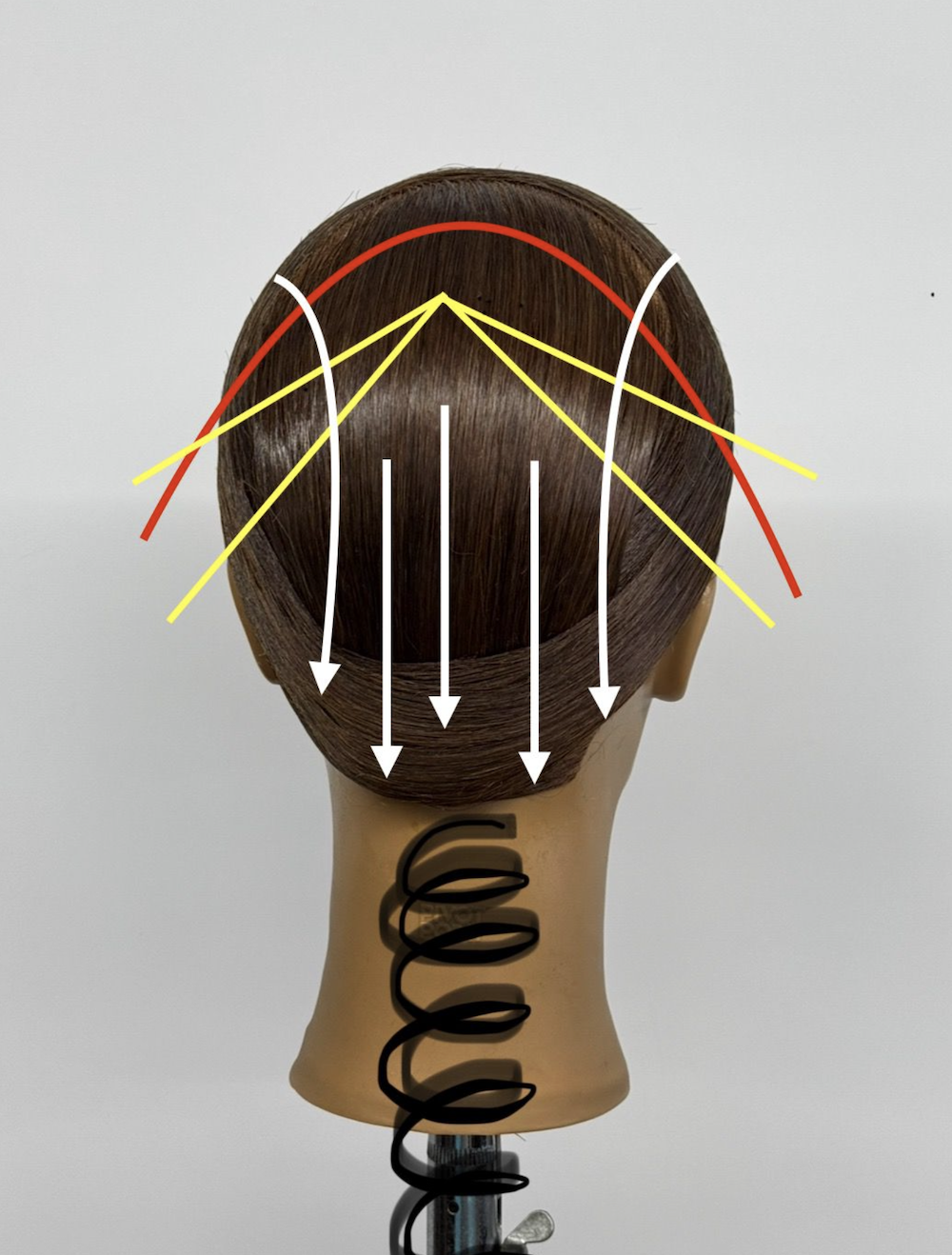
Aminata’s sketches for HAIR The Movement

A Creative Process Rooted in Culture and Community 

Aminata’s inspiration flows from her surroundings: family, culture, and the diverse communities she moves within. Childhood memories of traditional styles resurface in her work, often reimagined with a modern edge. 

“My culture plays a big role. I often think back to traditional styles from my childhood and reimagine them with a modern spin. Living in a diverse environment also exposes me to different cultures, different people, and I like to bring those ideas together in a way that still feels authentic to my background.” 

Her process is both visual and tactile: mapping out looks, experimenting on mannequins, then translating those ideas into finished editorial and runway moments. 
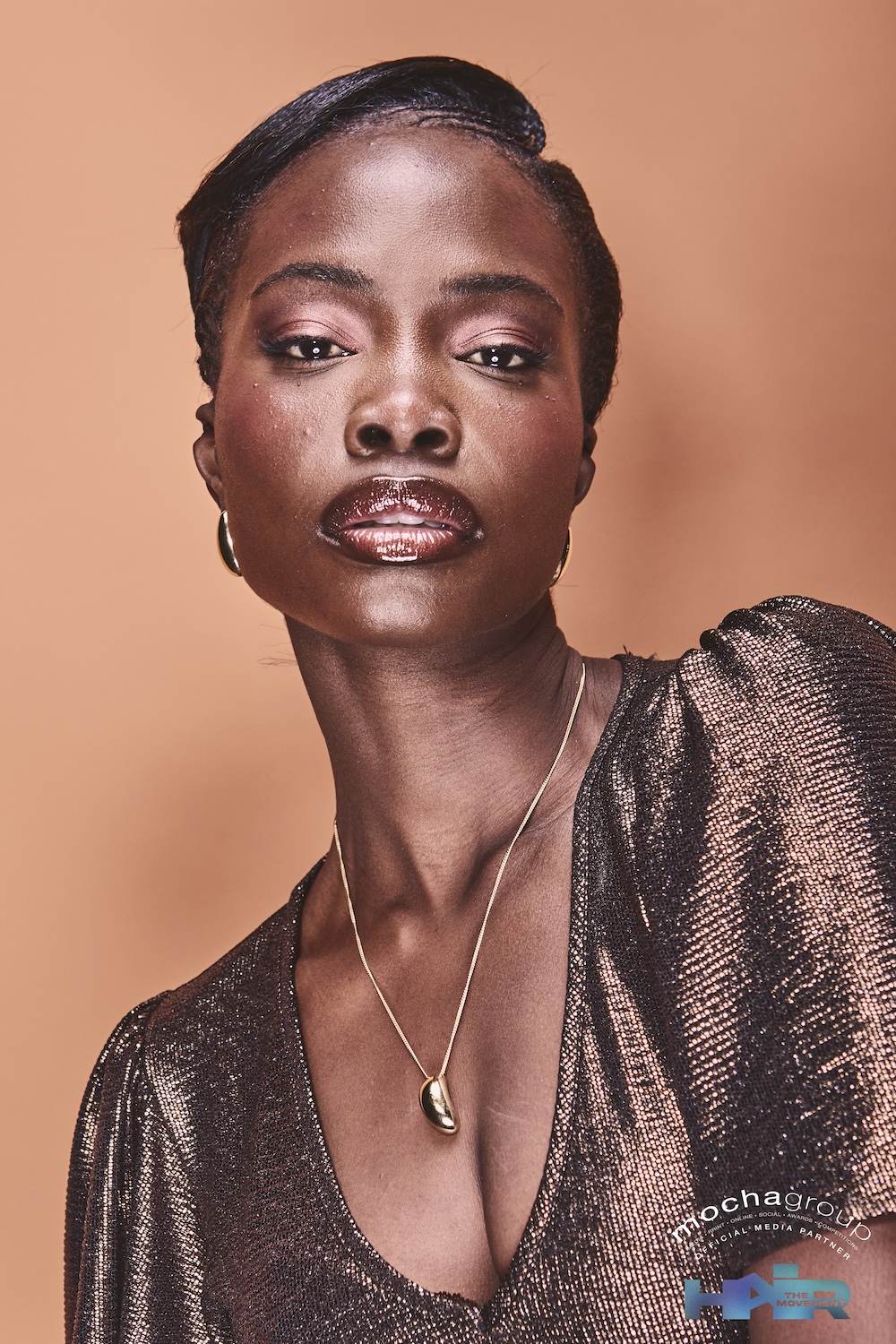
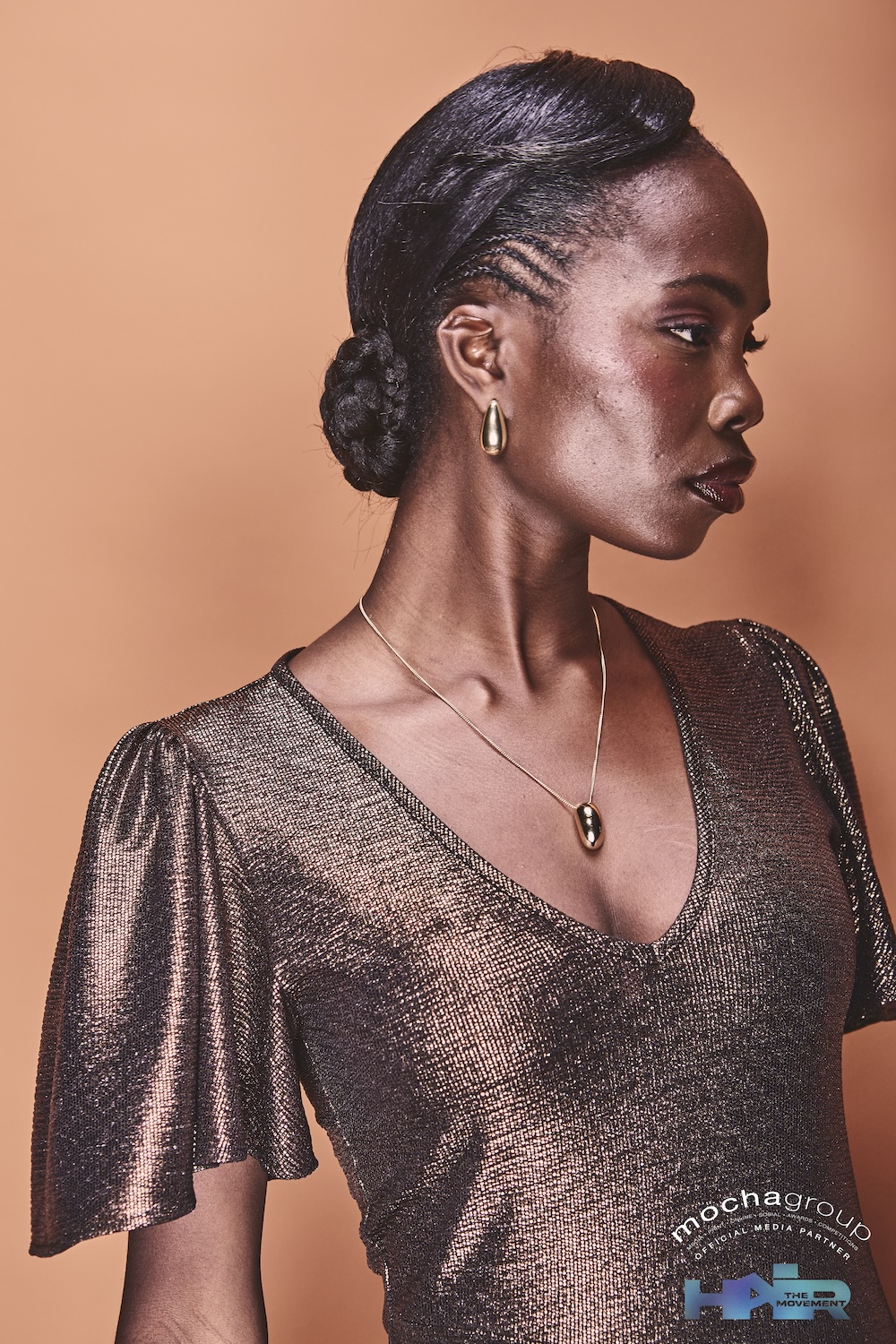
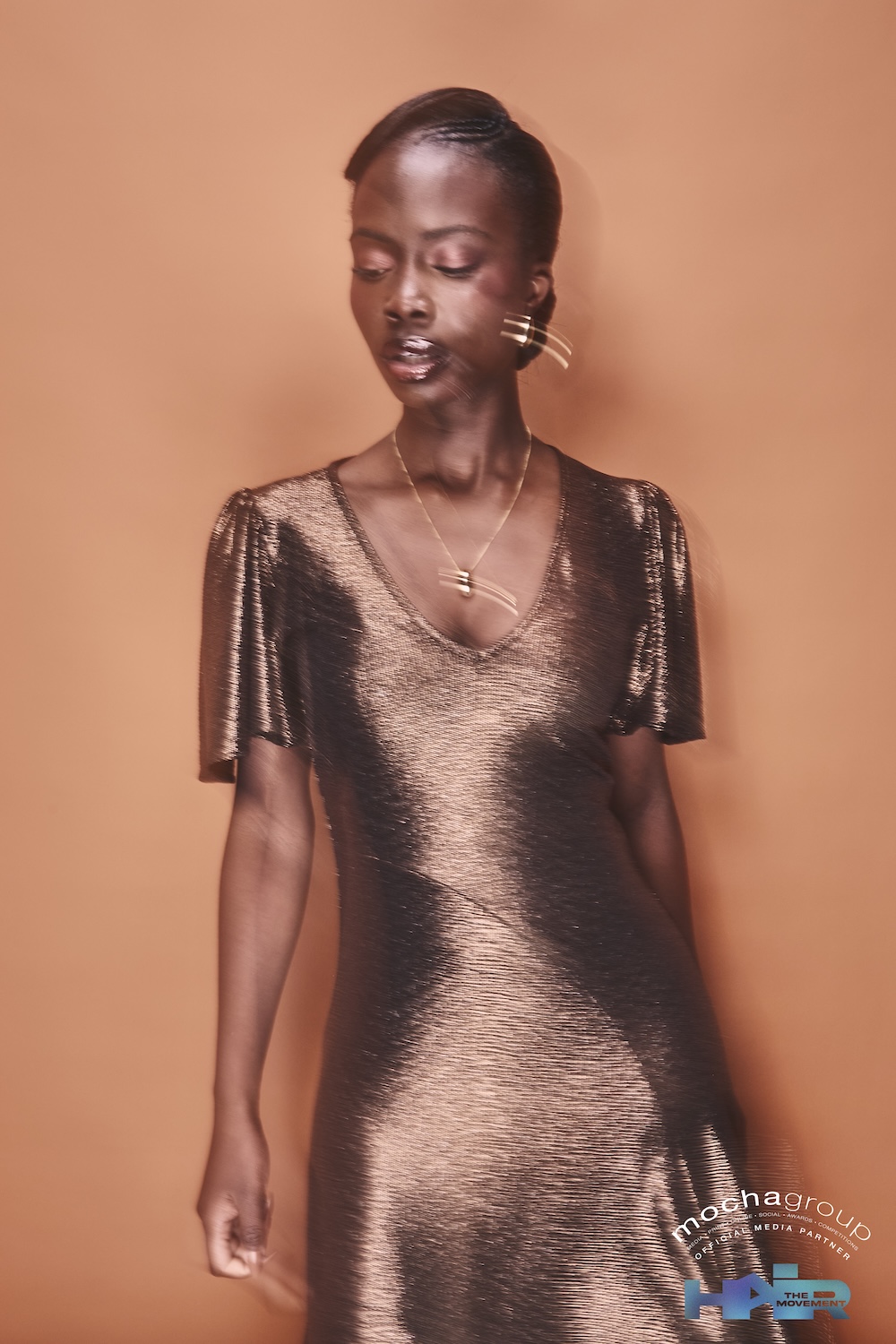
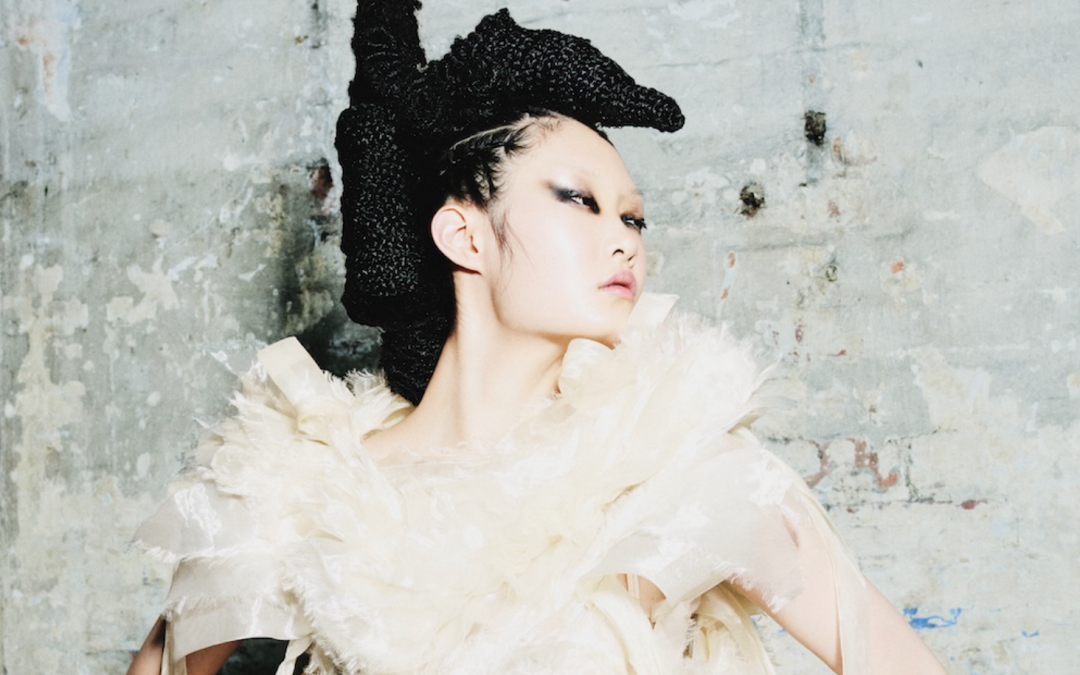
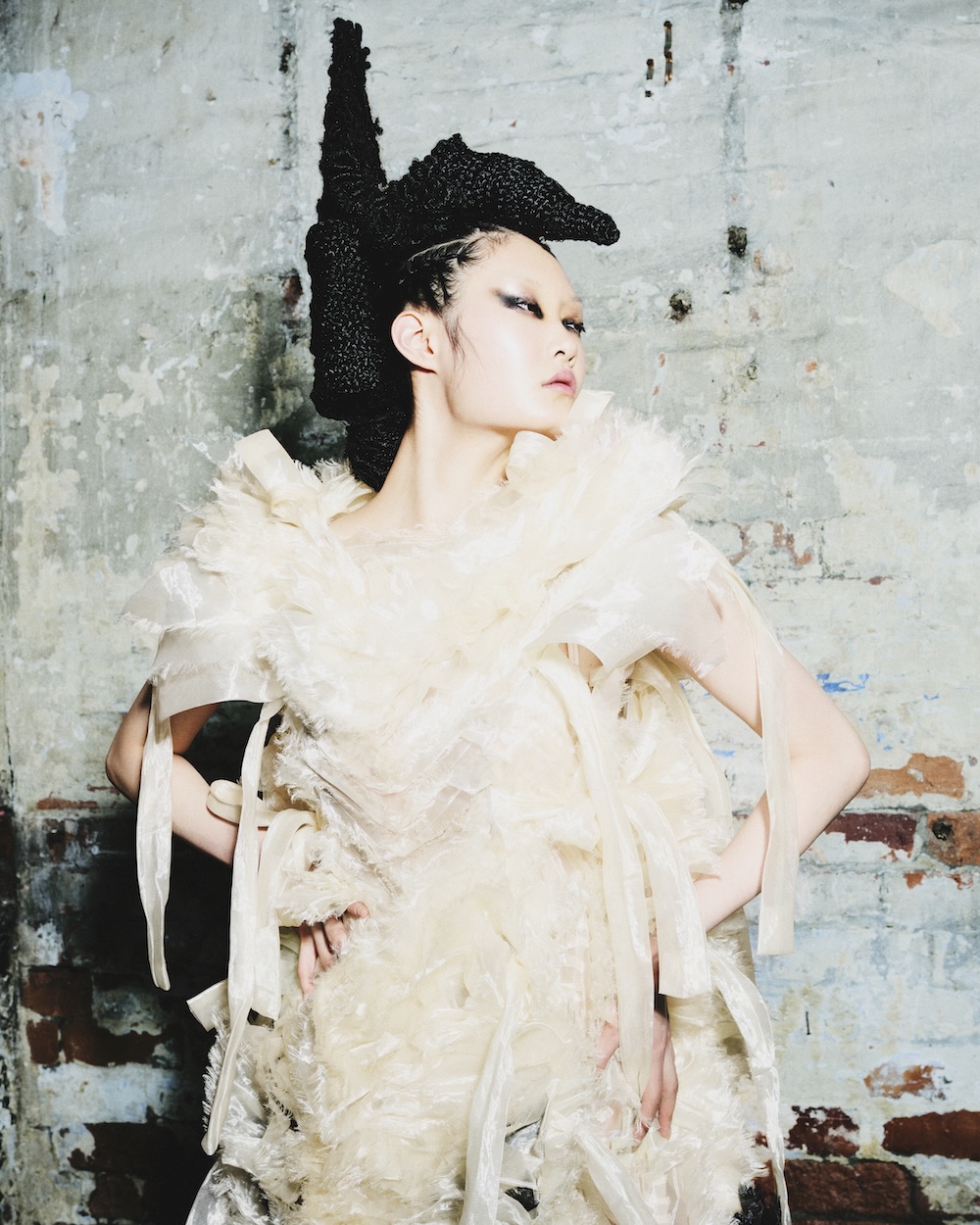
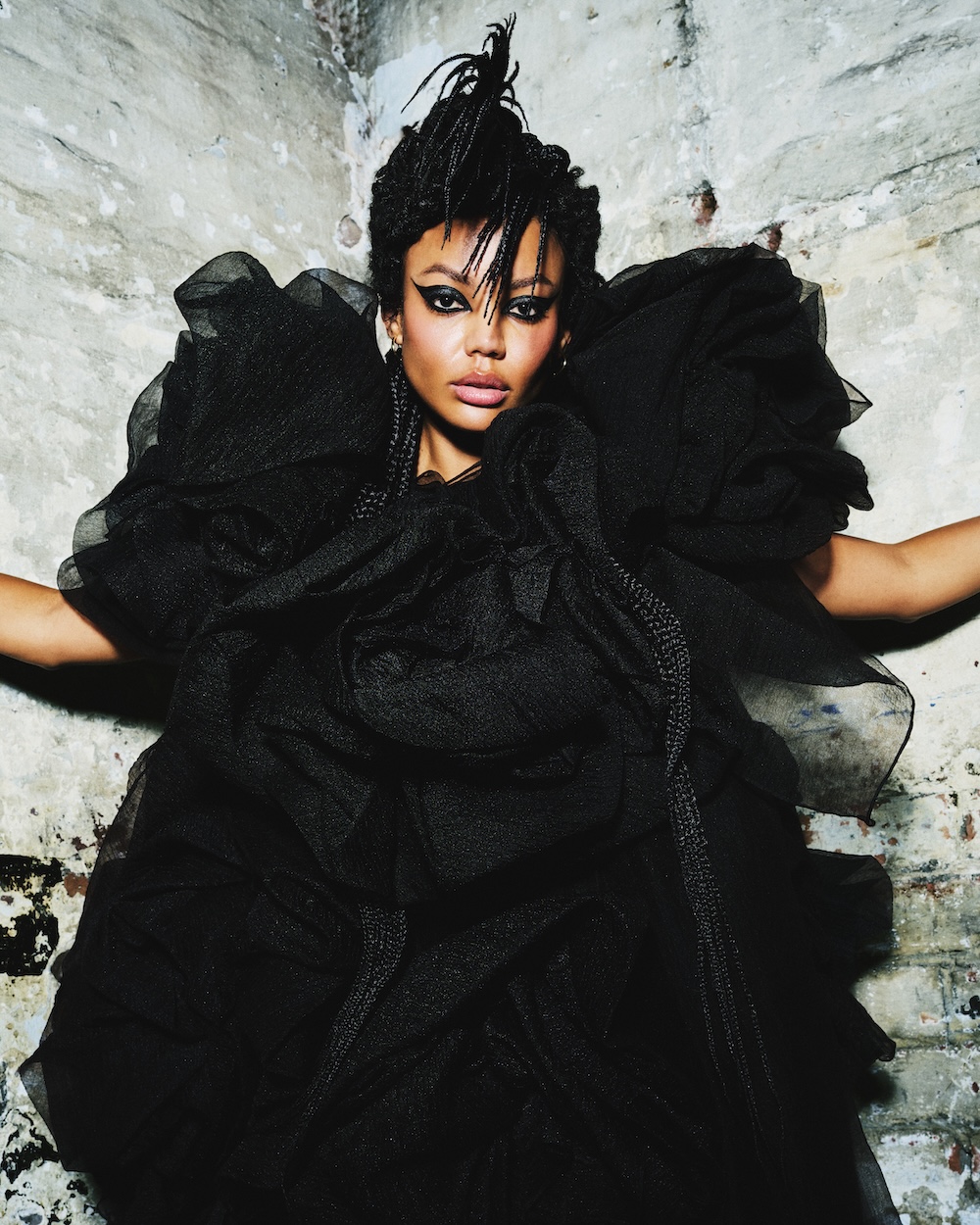
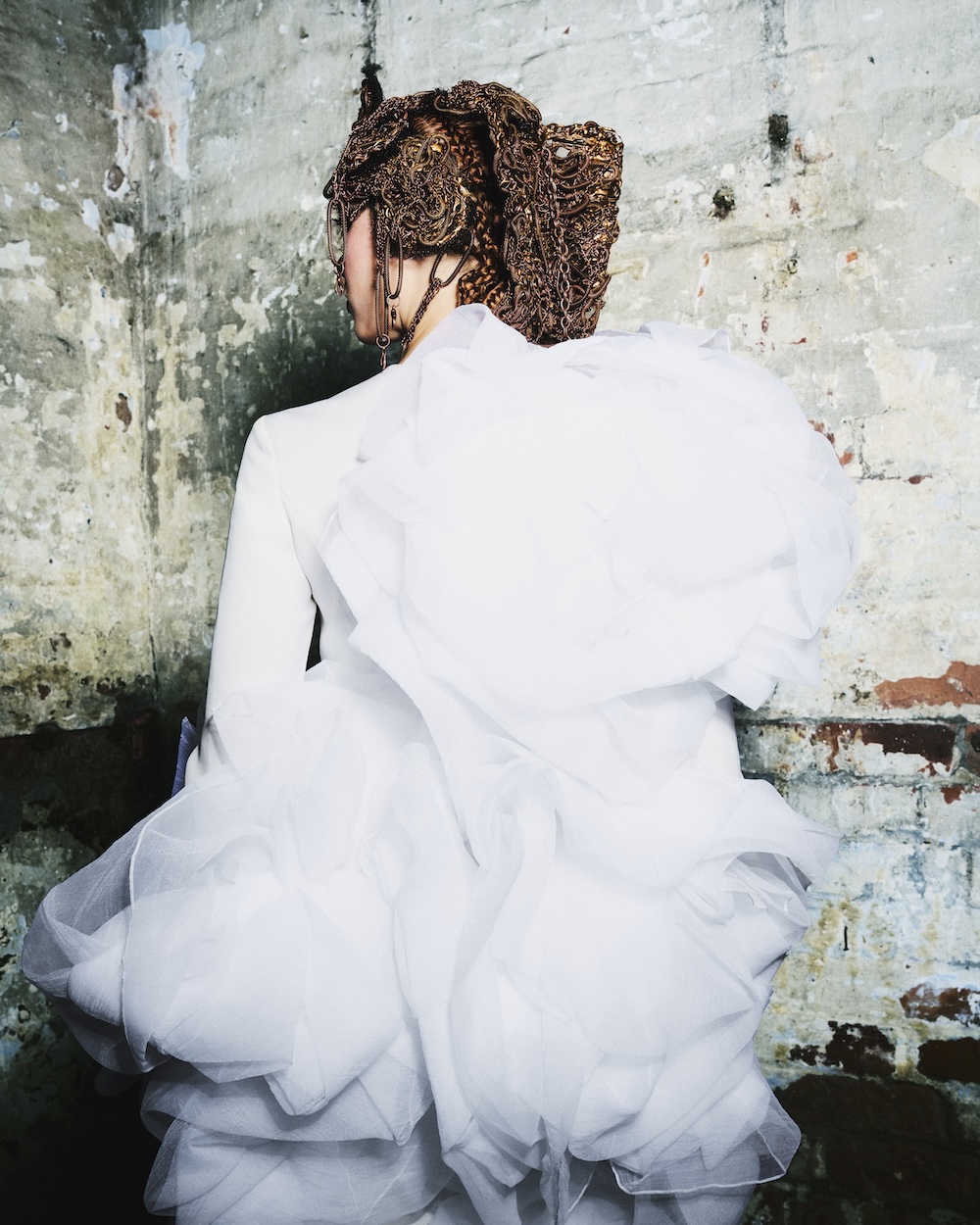
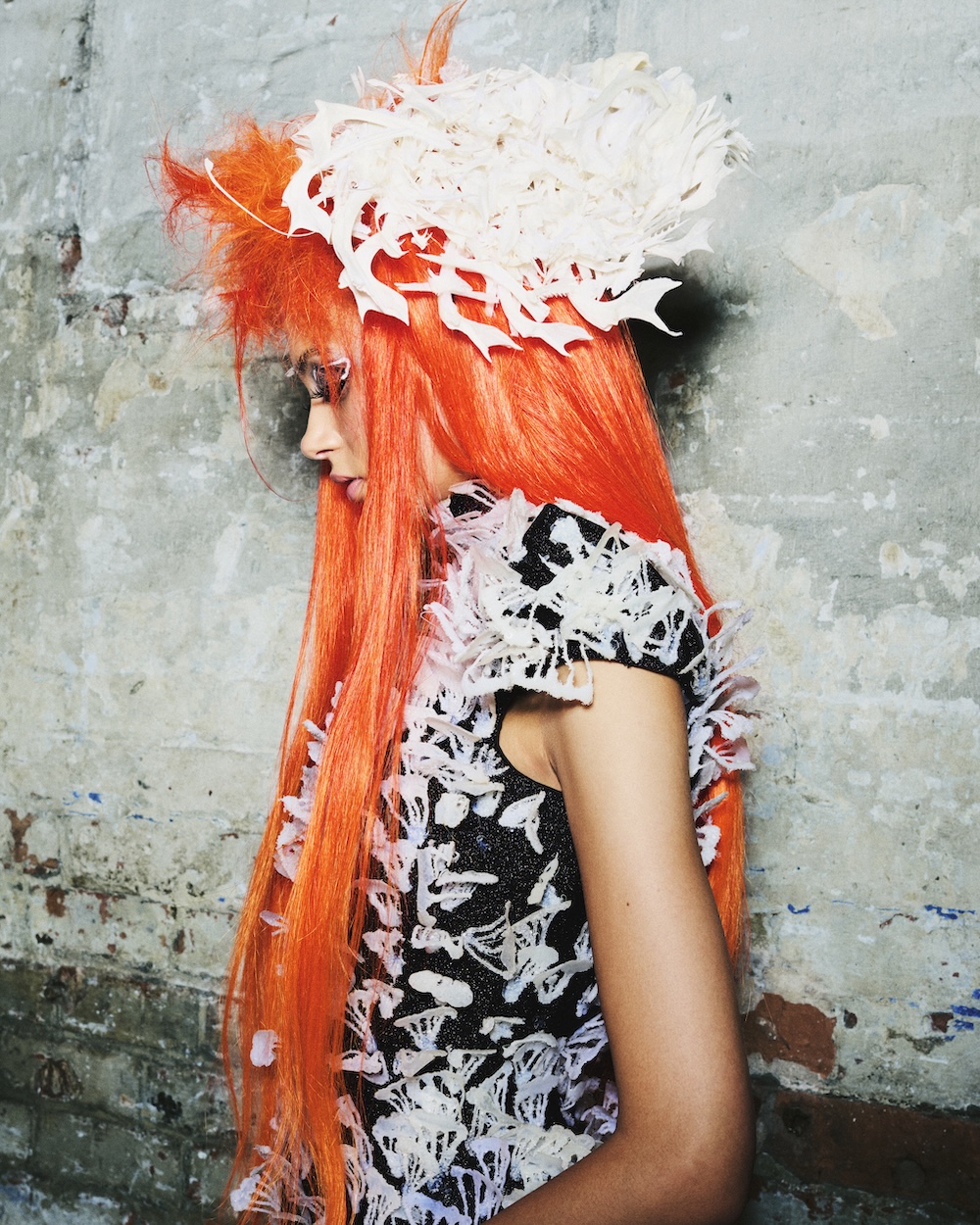
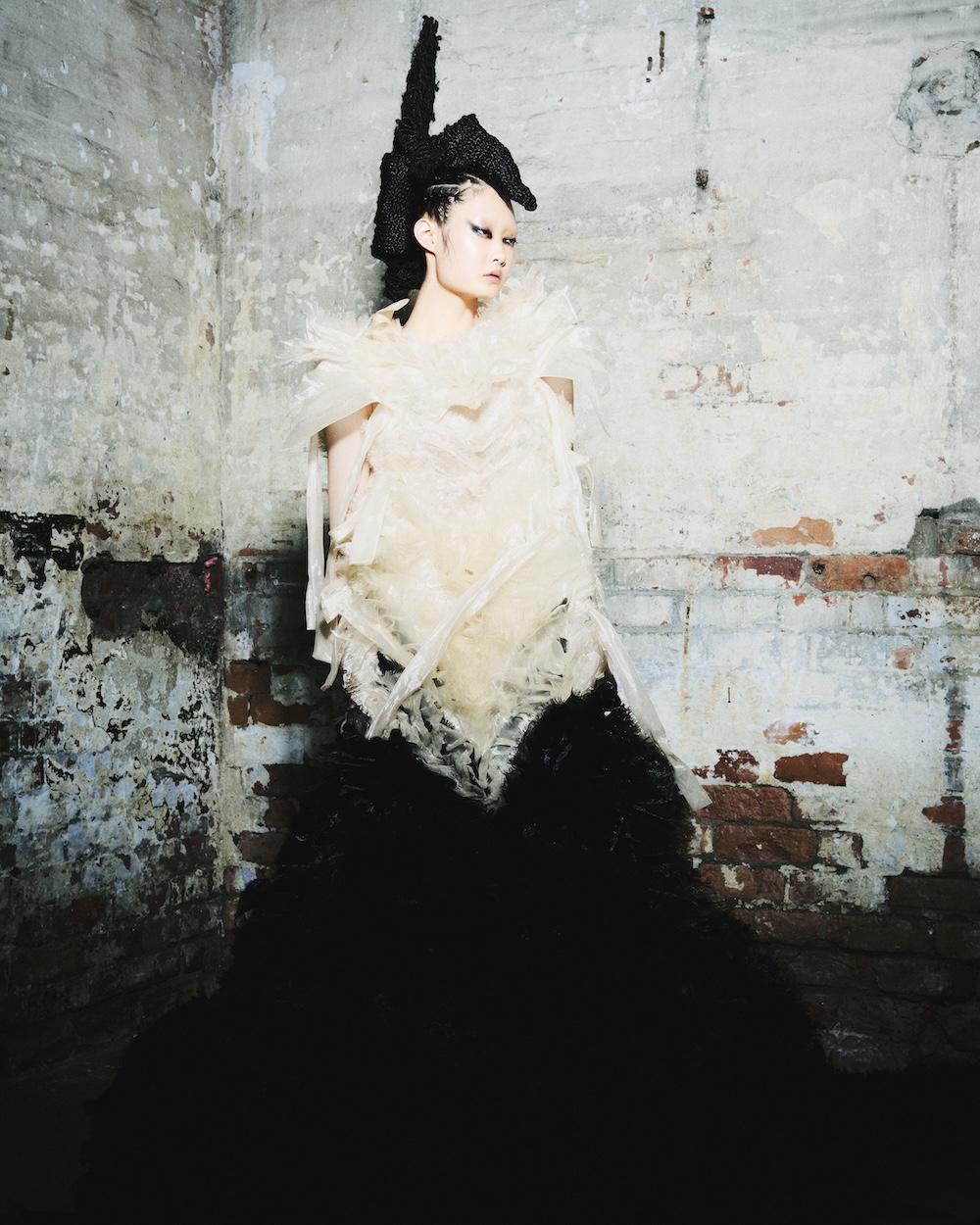
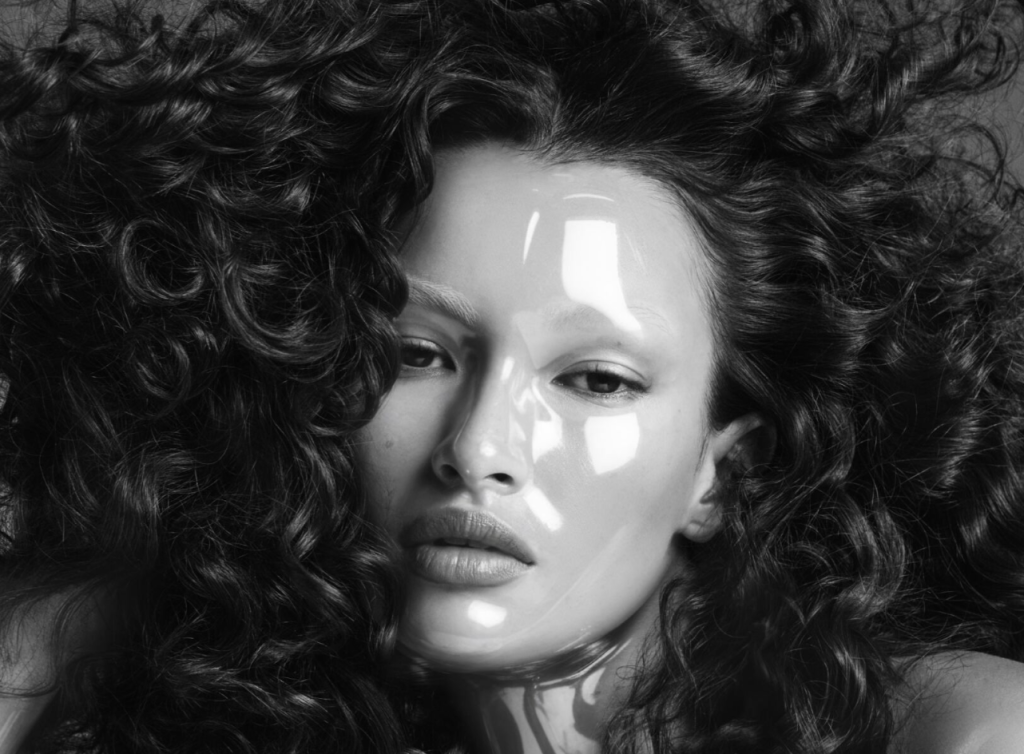
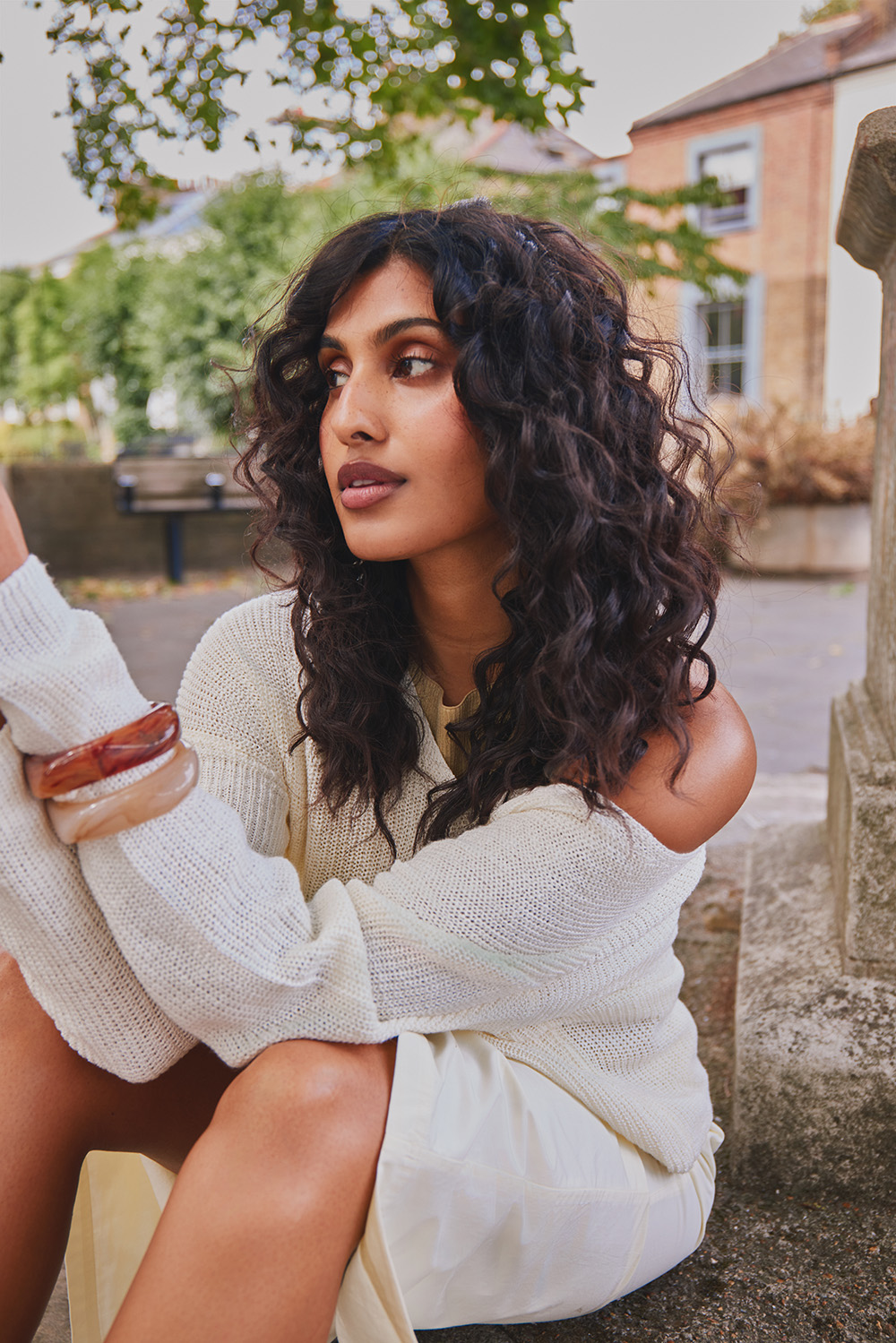
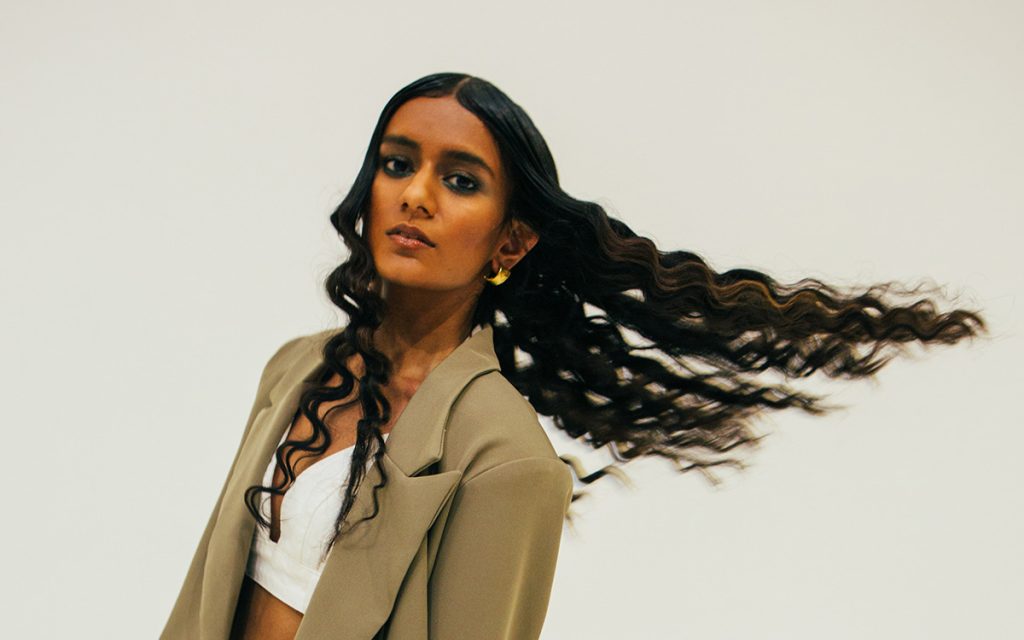
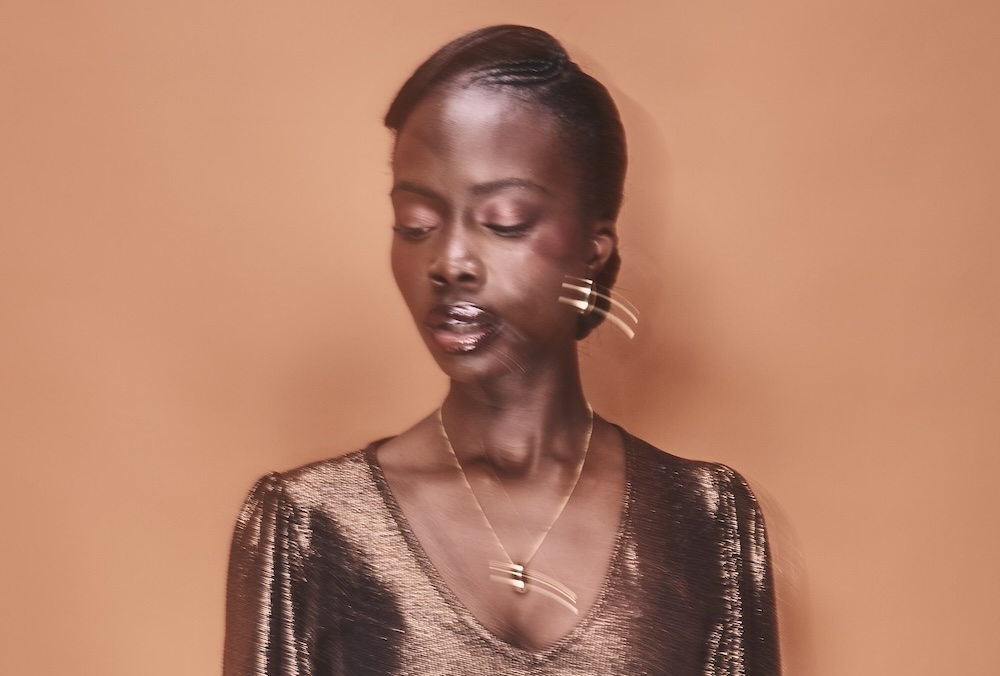
Hair by Aminata, Makeup by Renee Sayed.

Dismantling Barriers, Building Bridges 

Despite the progress made, Aminata believes the greatest barrier in fashion and education is mindset. Too often, she notes, fear shapes how textured hair is approached, a mirror of wider cultural hesitations. 

“We need to be more open to embracing different cultures, ideas, and people, and simply see each other as human. Once you learn the basics and shift your perspective, so much changes.” 

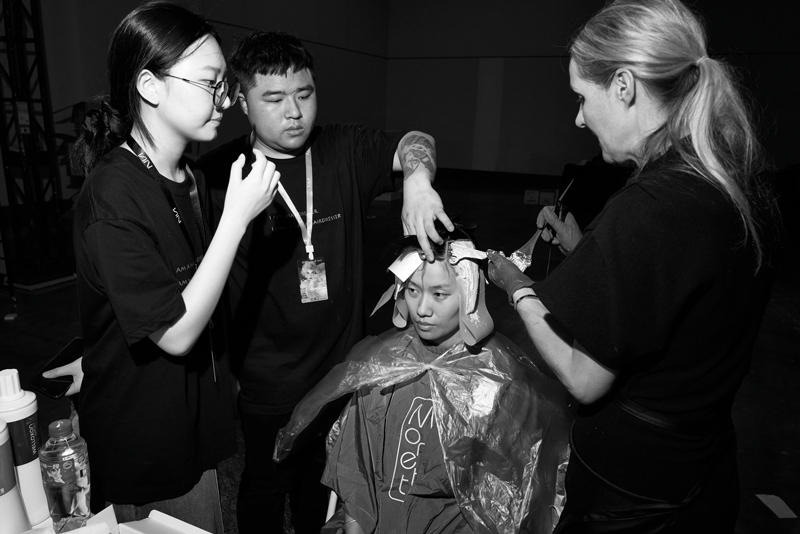
Her mission is as much about education as it is about artistry. Through campaigns, backstage fashion week work, and content created with global creatives, she’s steadily building a bridge between textured hair and mainstream hairdressing education. 

Aminata Kamara 

A Milestone for the Future 

With Sharon Blain describing Aminata as “one of the most unique and inspiring artists I’ve met,” the recognition underscores the significance of her work. More importantly, it highlights textured hair as an essential part of the global conversation in hairdressing, not a niche or afterthought, but a celebrated craft in its own right. 

“I want people to understand that curly hair is limitless and beautiful. For too long, the language around it has been negative, born out of misunderstanding. But the future feels exciting. It starts with us coming together, embracing one another, and focusing less on differences and more on the similarities that unite us.” 

As she continues to expand her reach beyond fashion and into education and broadcasting, Aminata’s contribution at HAIR The Movement will be remembered not just as a personal milestone, but as a turning point for textured hair on the world stage. 

Purity Fluidity by Errol Douglas MBE

Purity Fluidity by Errol Douglas MBE

Purity Fluidity by Errol Douglas MBE

Created in conjunction with Innersense Beauty and captured at HairCon, Errol Douglas MBE shares Purity Fluidity, where hair flows like the elements. wild like wind, soft as water, grounded in earth. “As hairdressers, we honour that purity, letting it move, breath and speak for itself,” says Errol. “That’s where the art lives.”

by AMANDA | PORTFOLIOS

Hair: Errol Douglas MBE, assisted by Evangeline Barrett of the Identity House, the Australian FAME Team with Petteri Eilola and Scott Cooper for Innersense Beauty

Make-up: Ruth Marcella

Styling: Borna Prikaski

Photography: Chris Bulezuik


FEMINA by Jacqueline Hirst

FEMINA by Jacqueline Hirst

FEMINA by Jacqueline Hirst

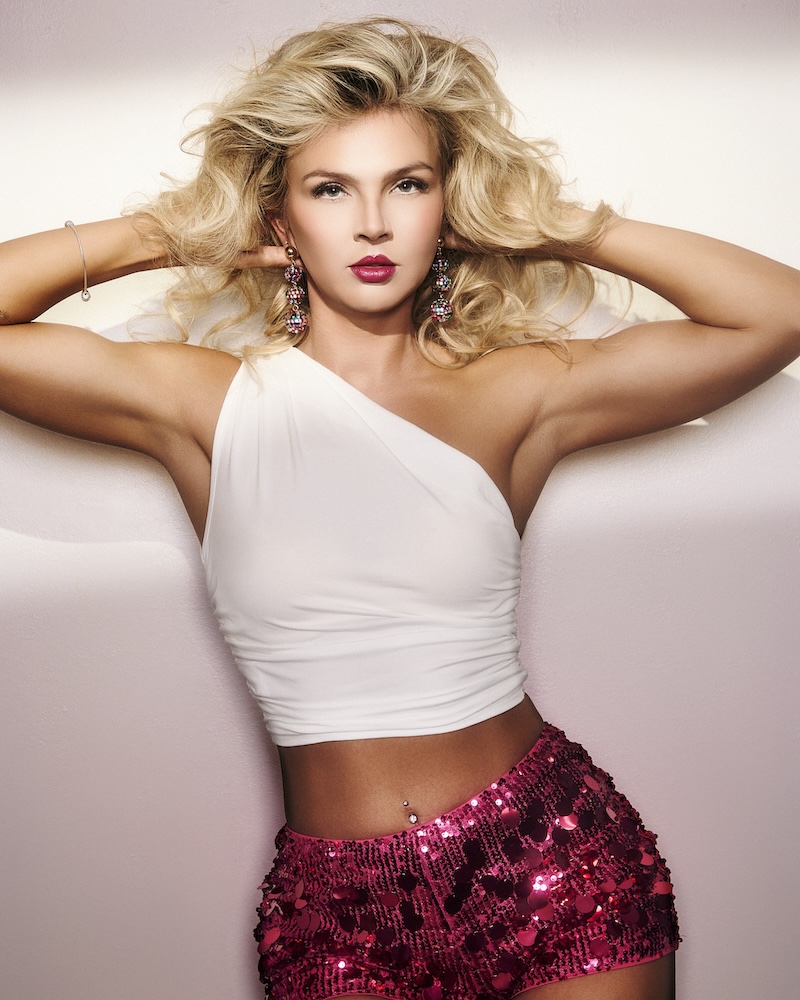
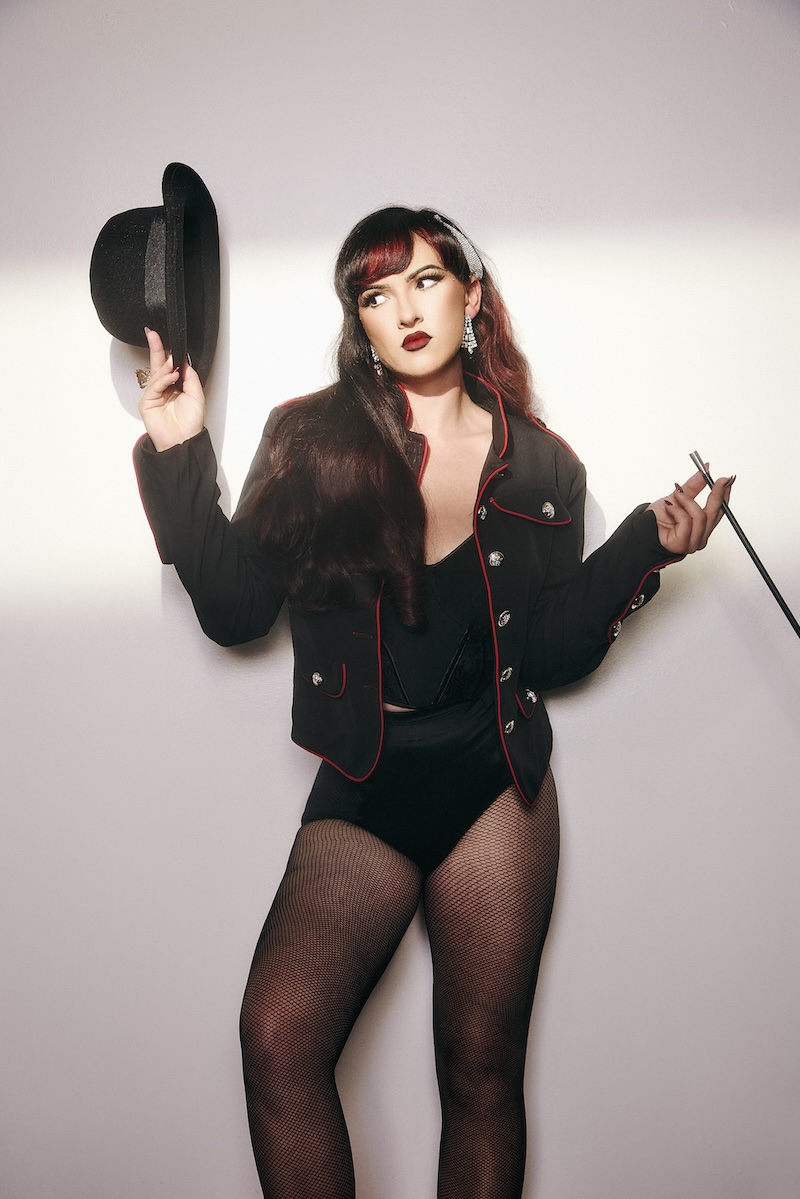
Celebrating the stages in a woman’s life, this first collection from Jacqueline Hirst explores a woman, full of ambition and desperate to have it all. “This is a very personal collection for me, with each model representing a different look and thought process. From the different stages, stresses of life that break us before we rebuild ourselves each time,” says Jax. Follow the journey…

by AMANDA | PORTFOLIOS

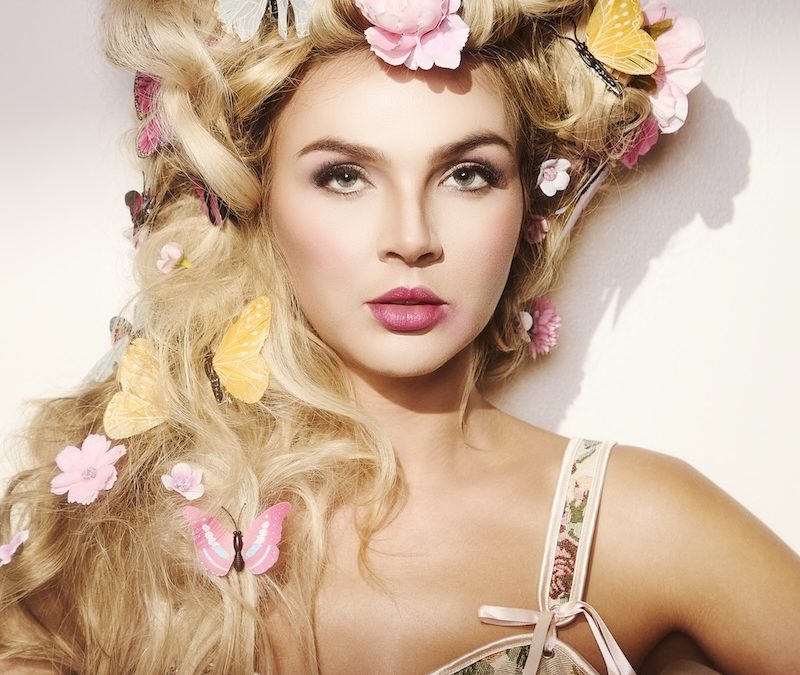
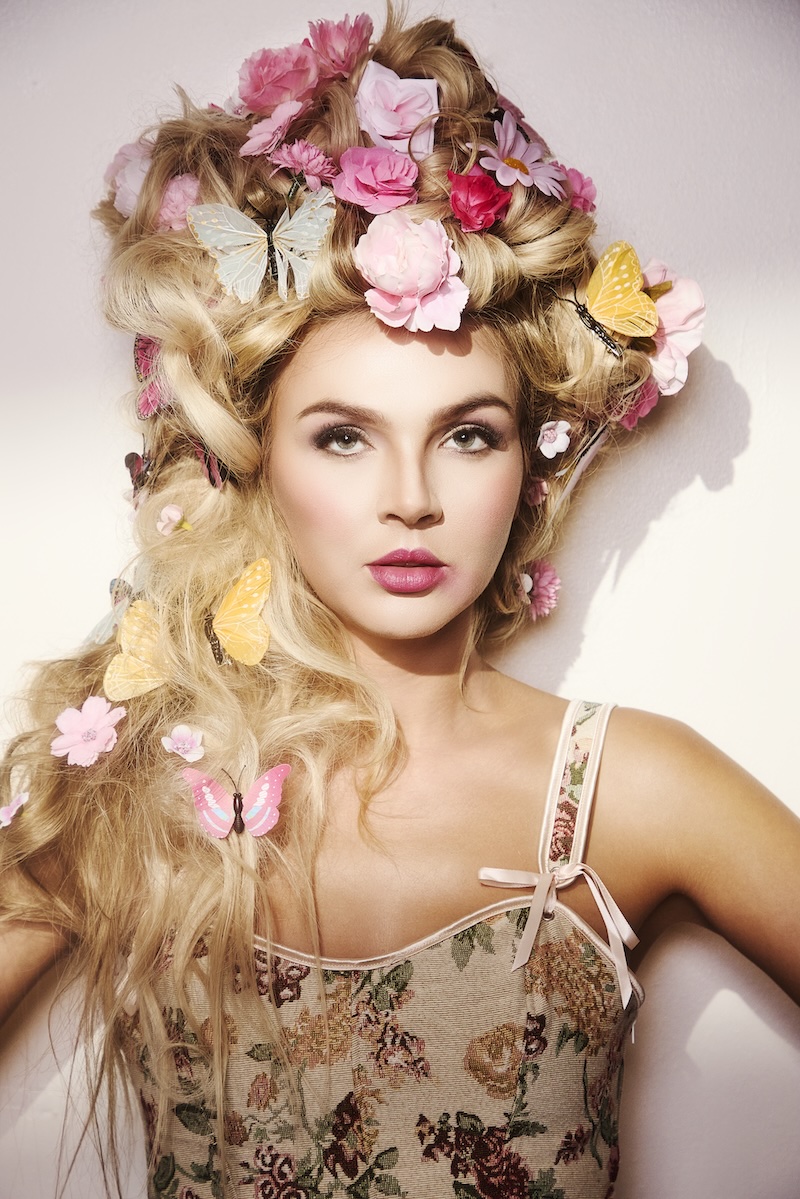
Avarice – This is all about gluttony, wanting it all and pure consumerism. The wig was created by Jax and adorned with flowers, pearls and butterflies.

Lilith – The dark mother. A woman whose strength will protect with a passion of no bounds.

Bryderus – A woman whose anxiousness takes over her world.

Bellatrix – A warrior woman who holds no prisoners. The wig, also created by Jax, is for the fierce look, cutting with clippers for a solid line.

Serenus – The composed woman, who has lived through it all, brings a sense of calm.

Hair director: Jacqueline Hirst @jaxrhair
Lead assistant: Emma Dixon @emmadixonhair
Assistants: Kerry Galliano @kerrygallianohair and Lucy Melvin @lucy_melvin_hair
Make-up: Rebecca Cox @beccsmakeup
Photography: Liam Oakes @liamoakesphoto

The Natural Collection

The Natural Collection

The Natural Collection

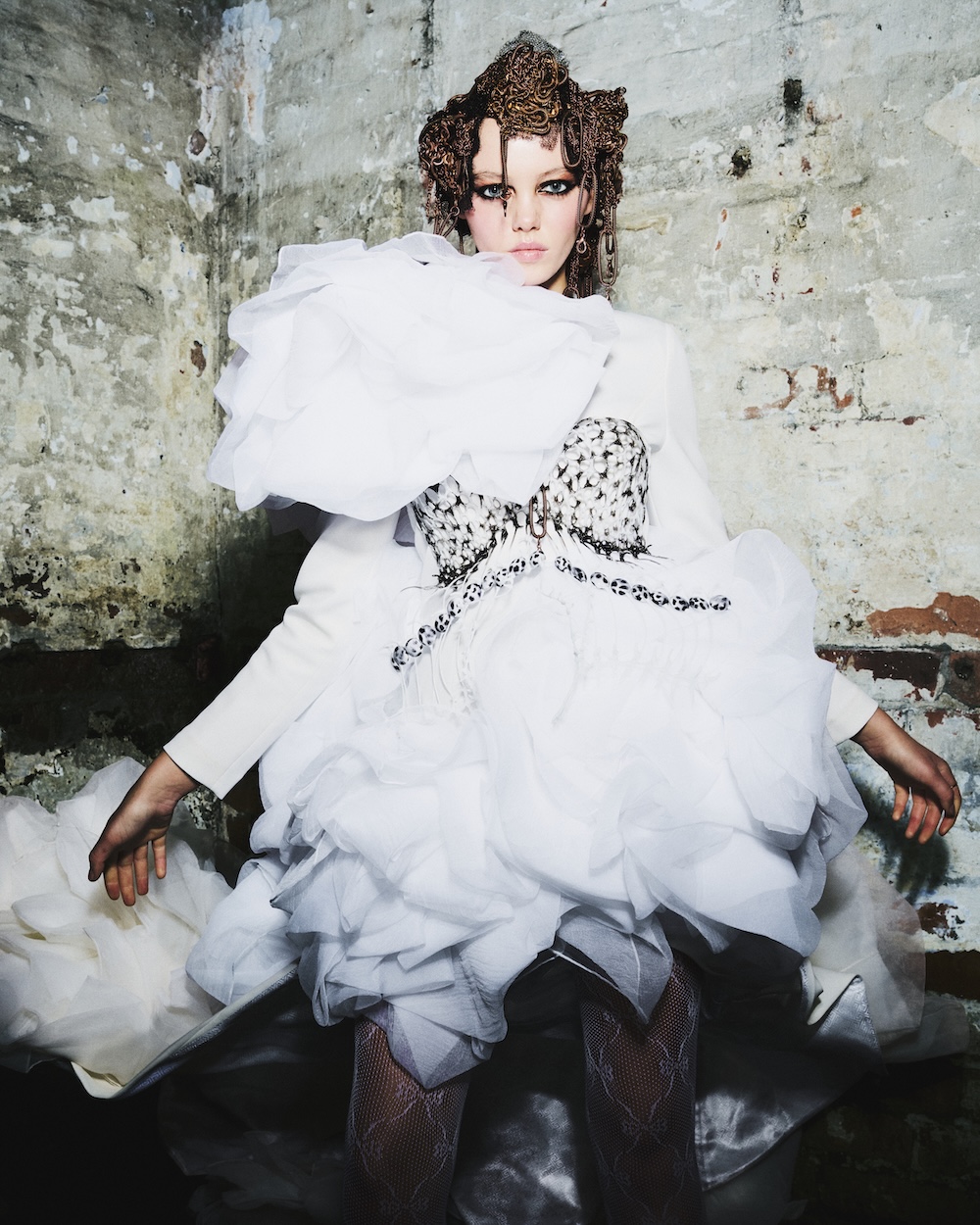
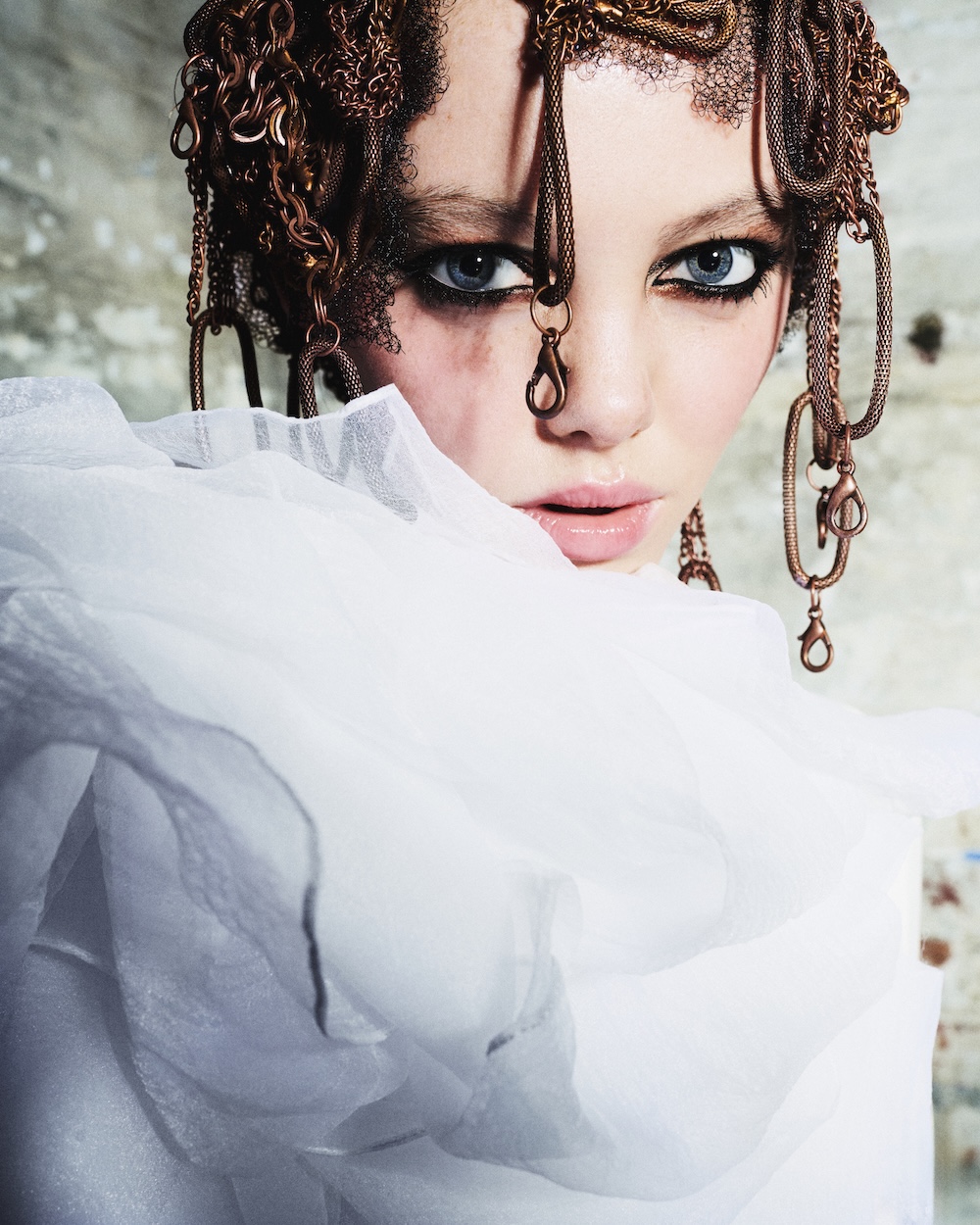
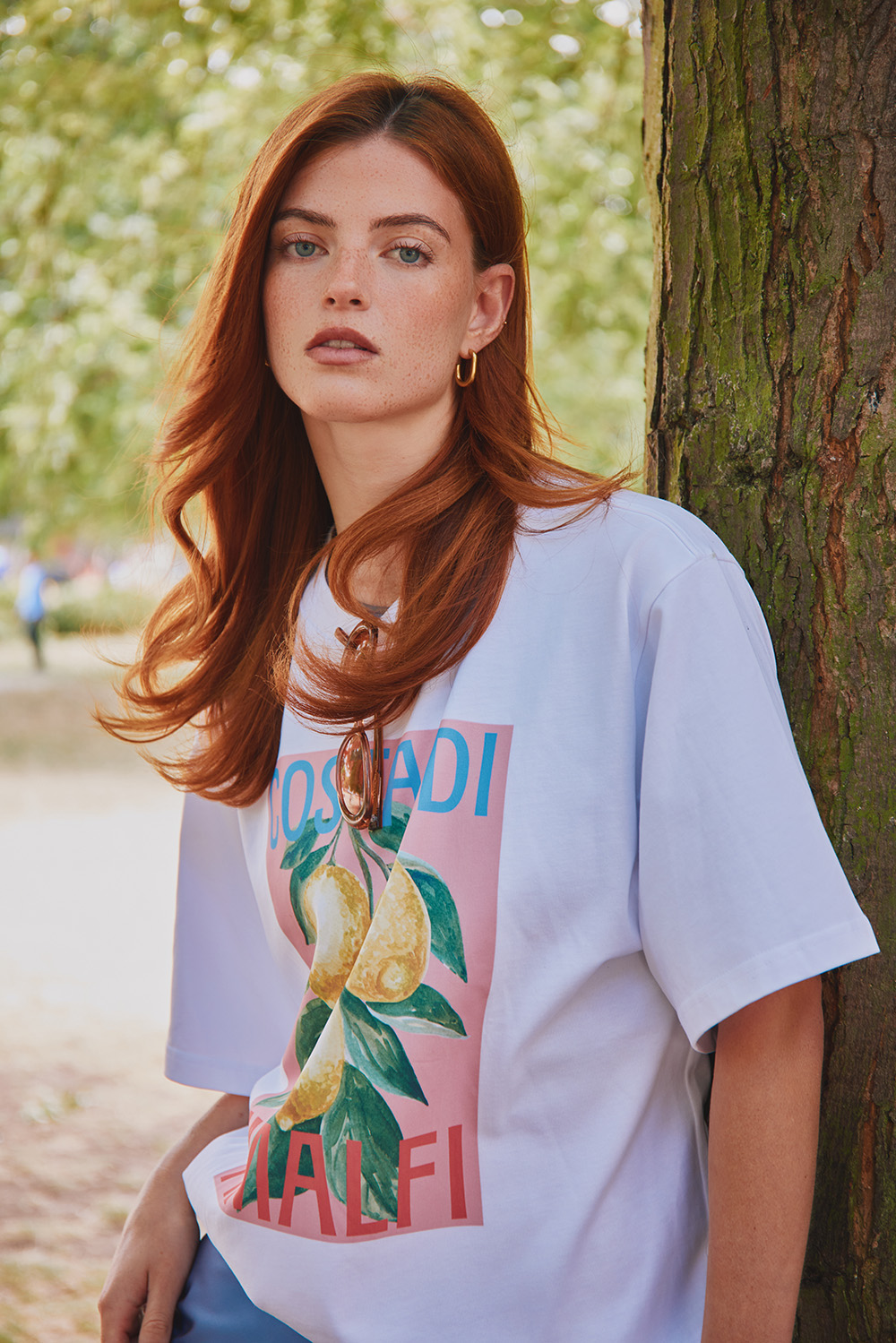
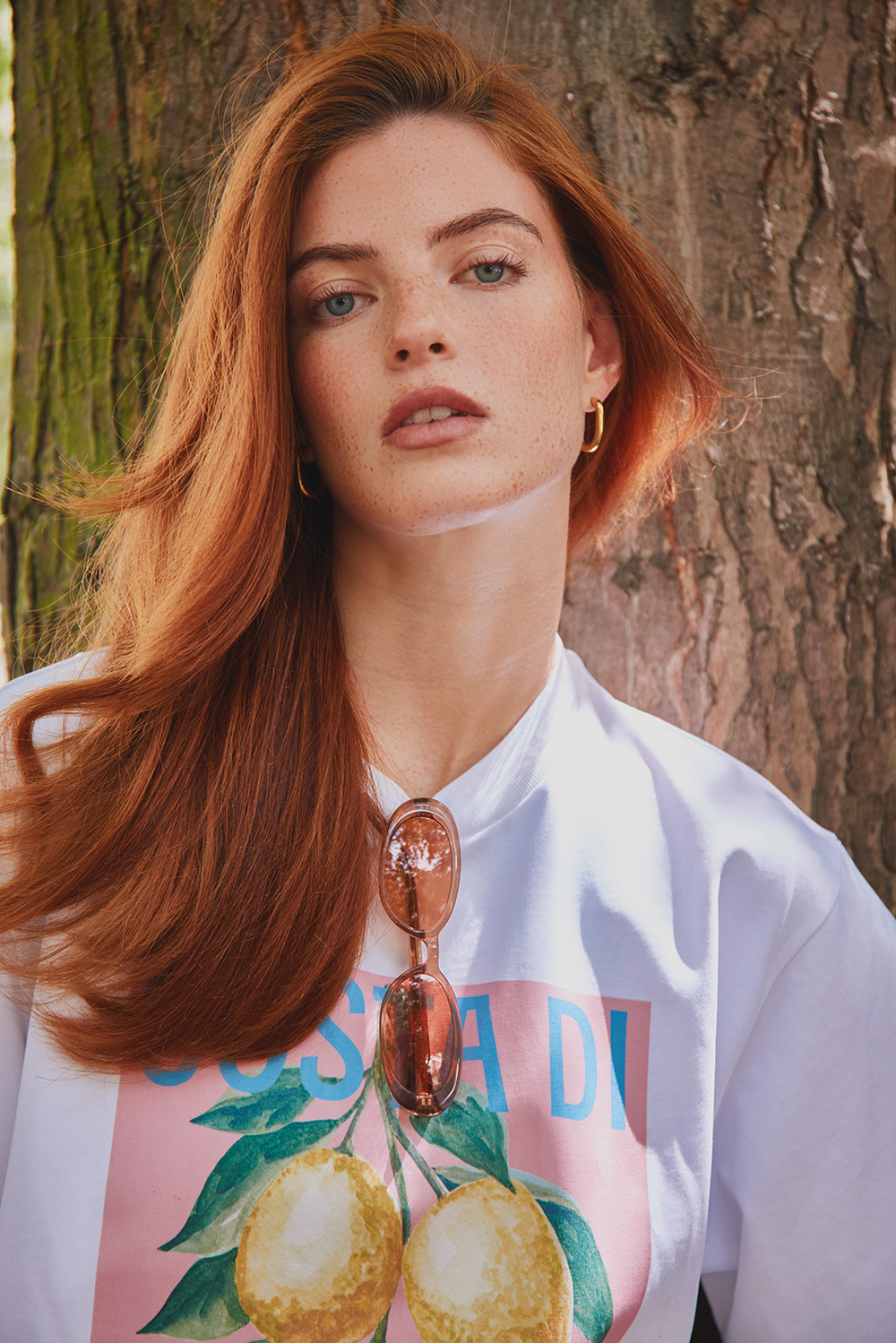
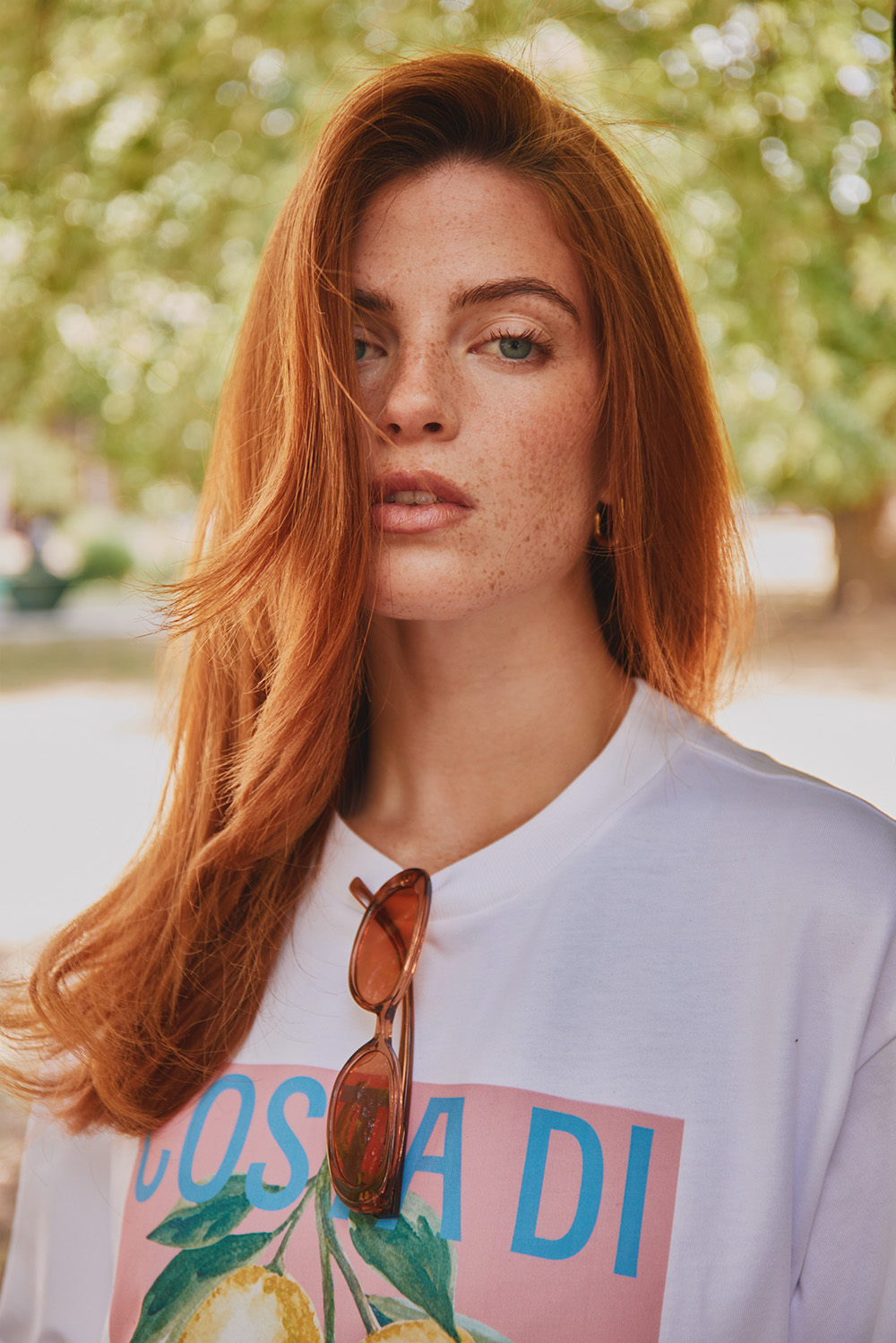
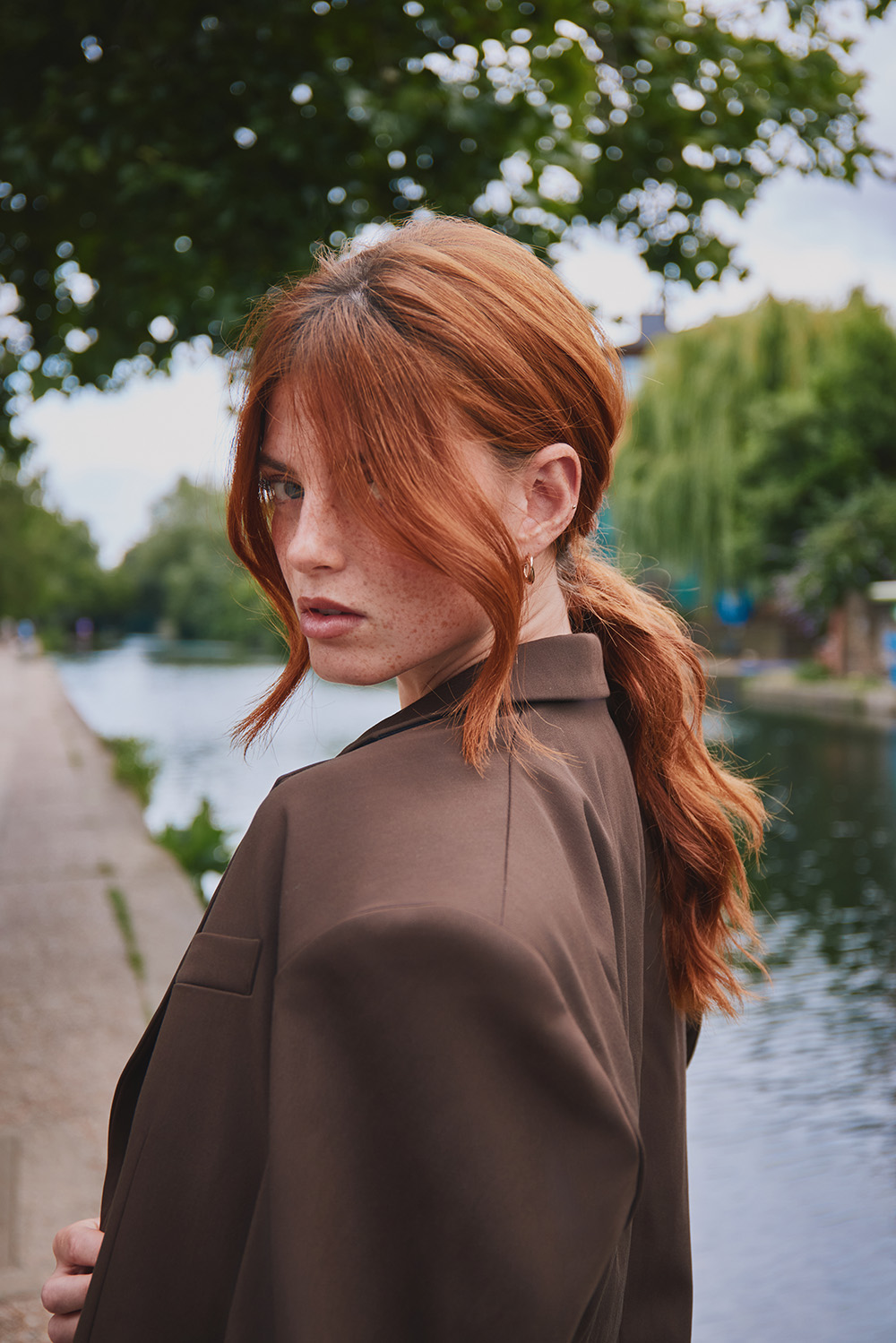
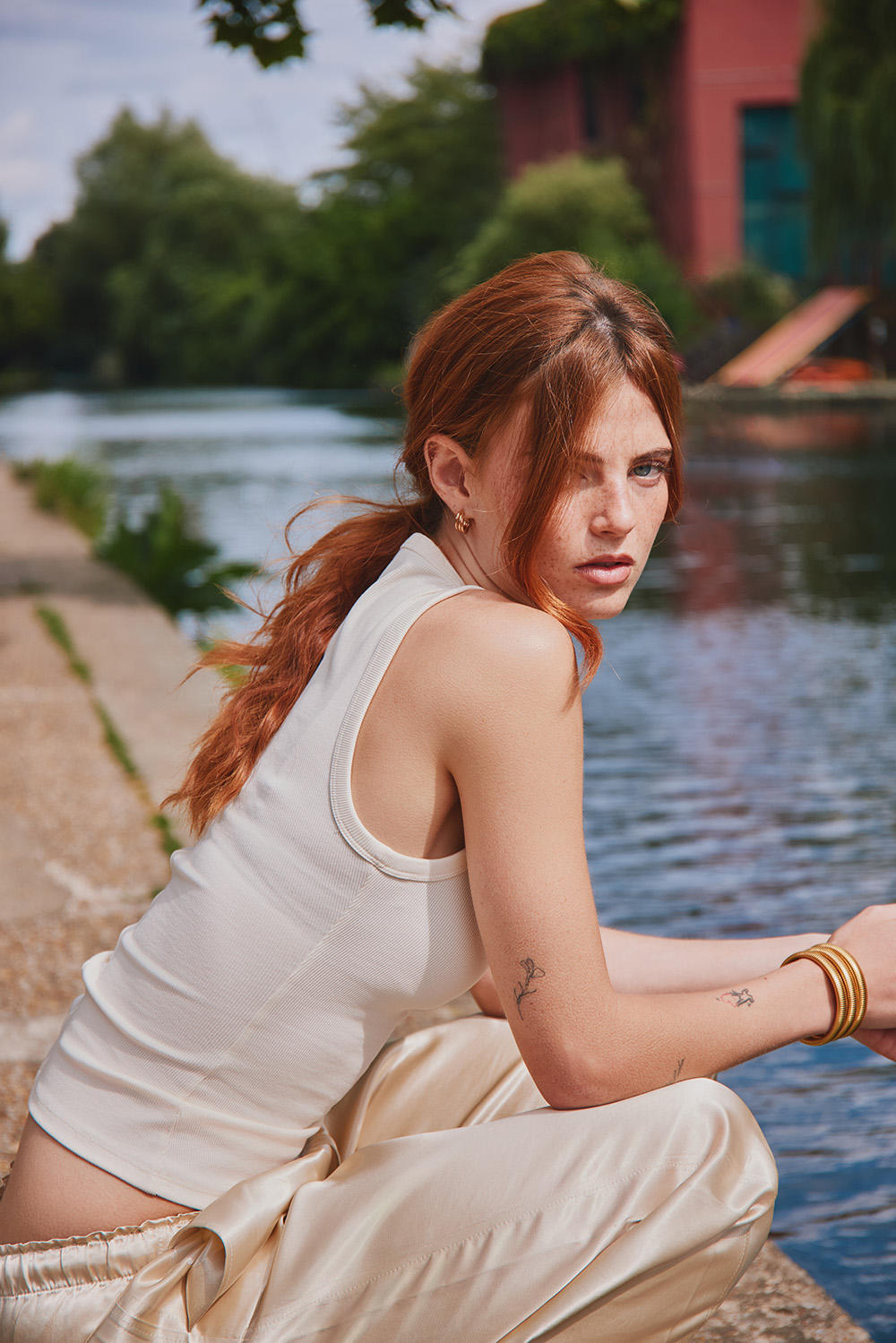
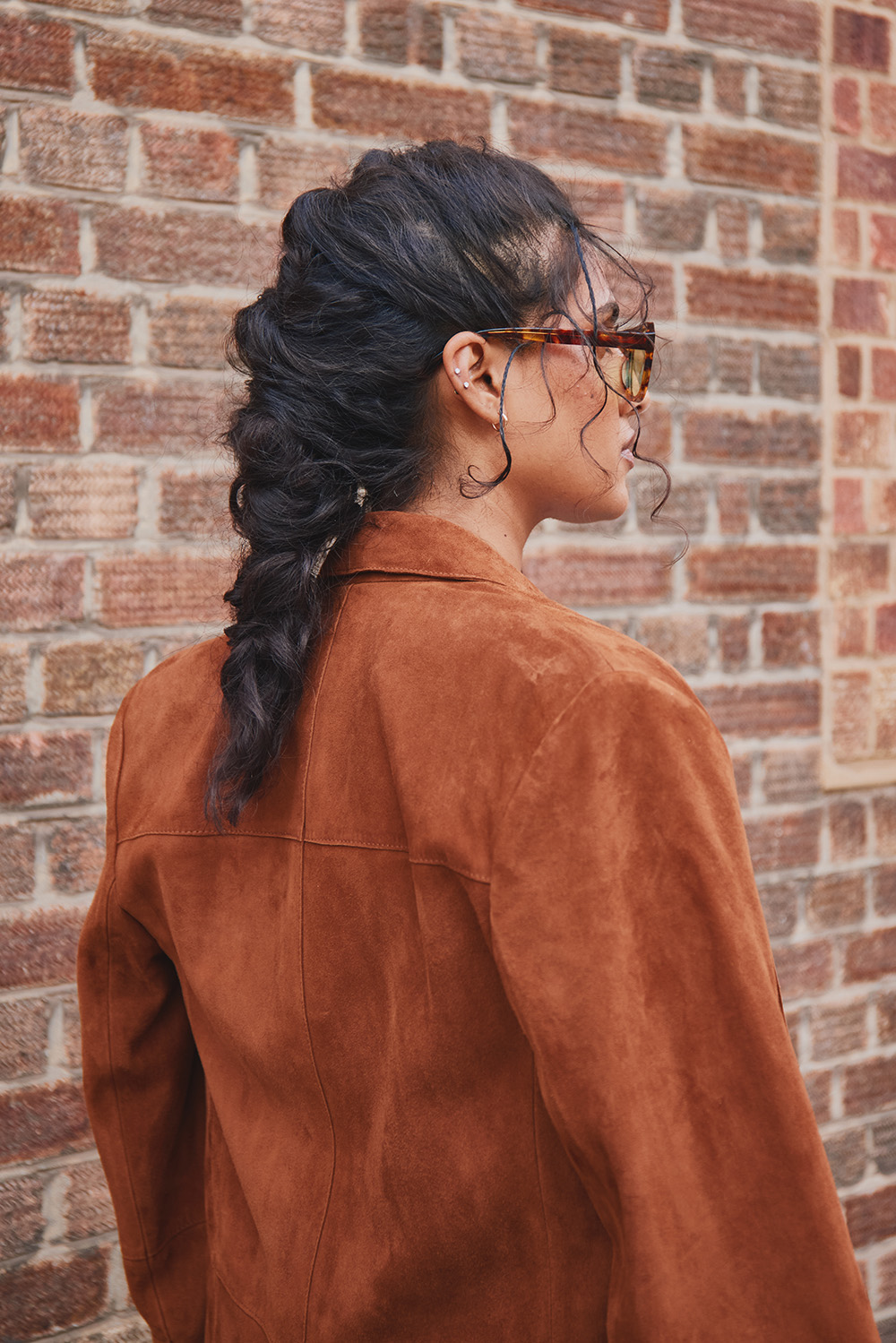
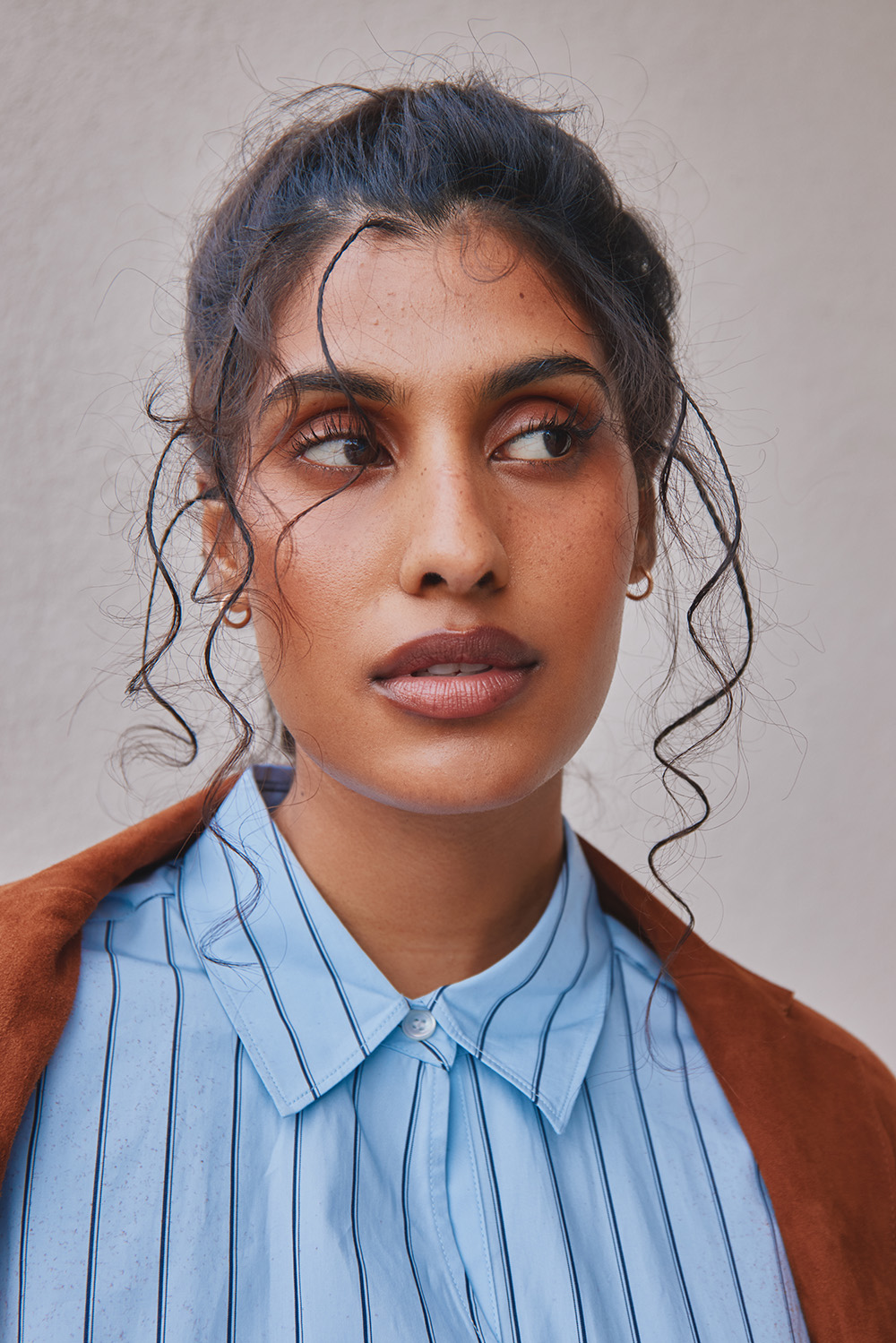
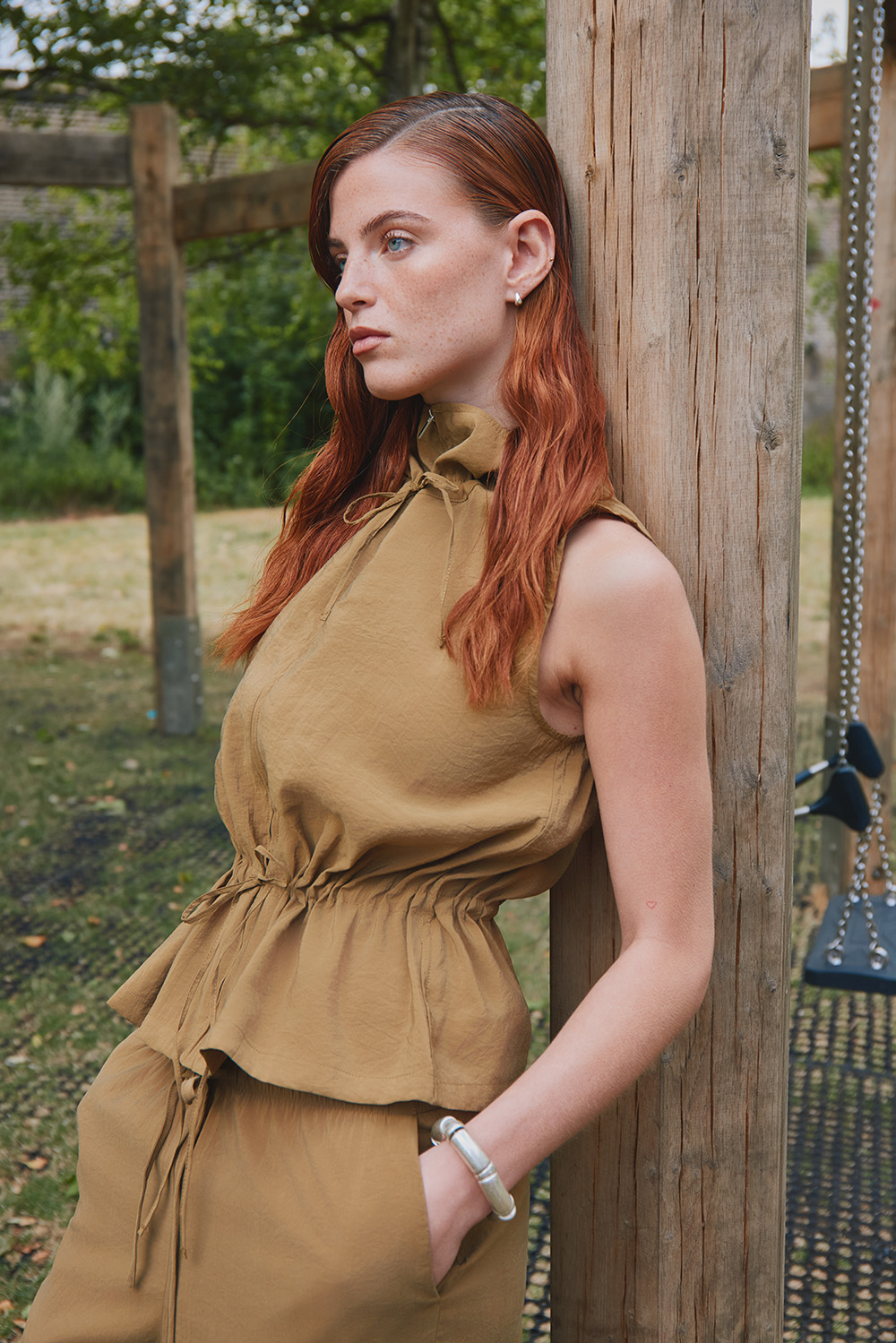
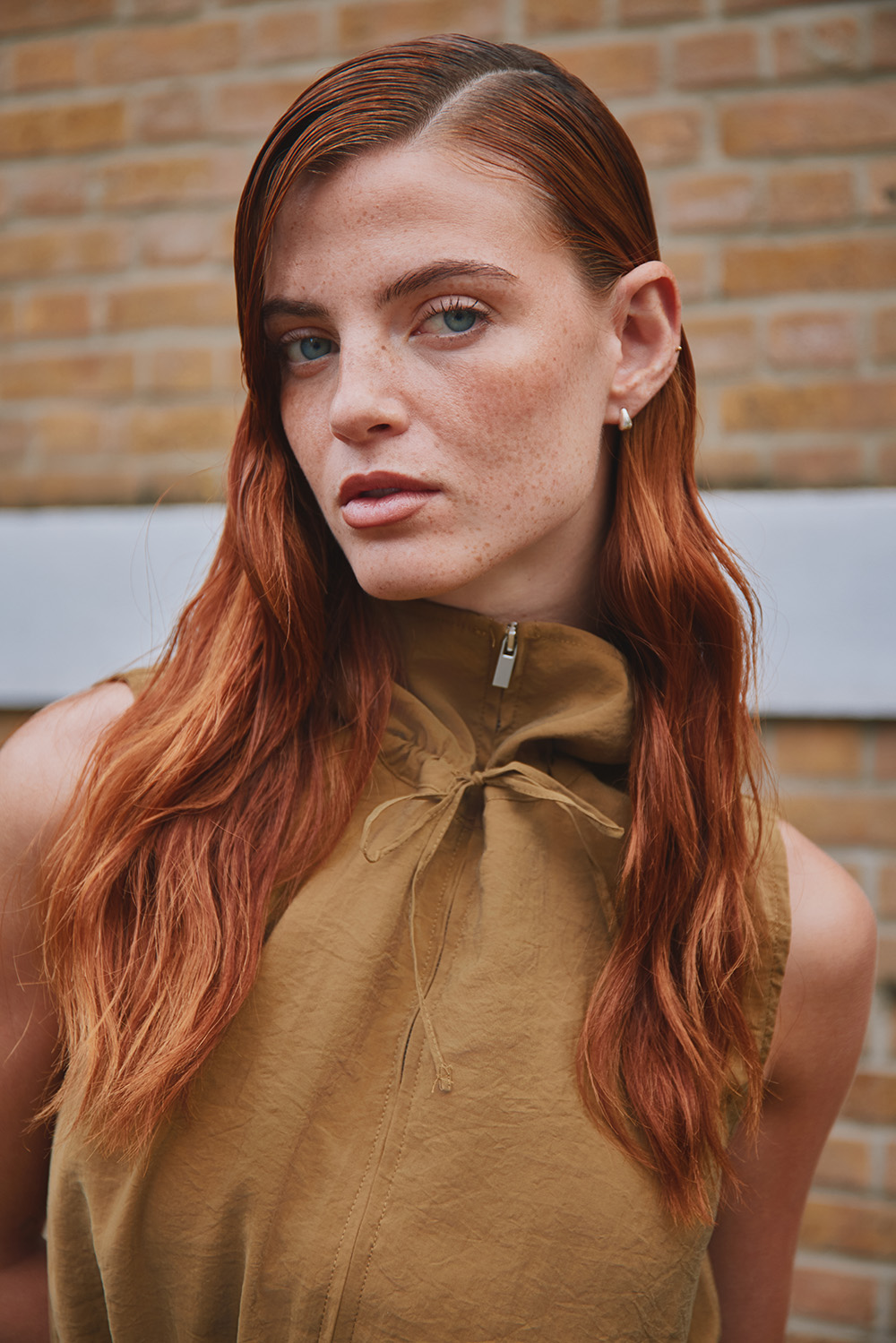
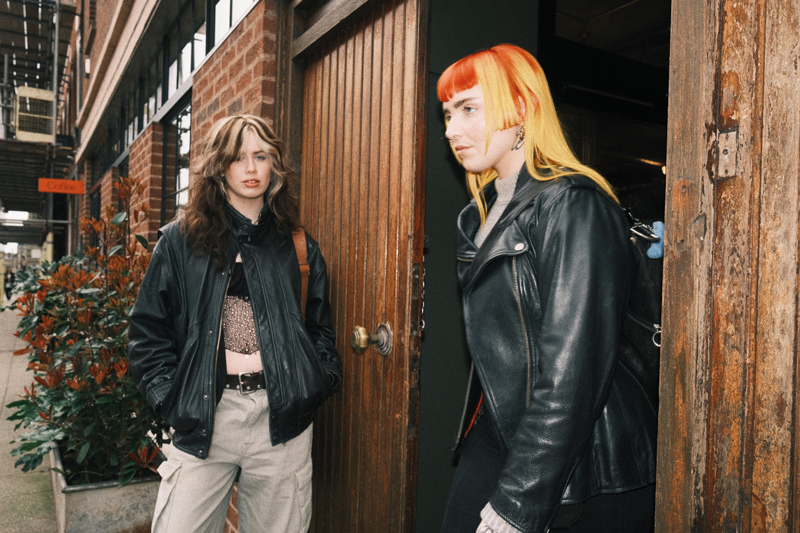
For this exclusive Creative HEAD shoot, in partnership with Authentic Beauty Concept, Anthony McMeiken and Melissa Timperley pushed natural to another level. From a ‘lofi’ blow-dry to barely there ‘fairy’ braids, soak up six looks exquisitely styled to look perfectly effortless.

by JOANNA | PORTFOLIOS

Hair Anthony McMeiken and Melissa Timperley, assisted by Jo Eykyn, Louise Nimmick, Victoria Rowland and Danielle Vinson, all for Authentic Beauty Concept  

Fashion Morgan Elizabeth Hall, assisted by Anna Milnes  

Make-up Roseanna Hackett using Saie Beauty, assisted by Sophie McGowan  

Models Lerissa Pillay (Zone) and Olivia Shelton (Milk)  

Photography Lily Craigen  

“There’s A Massive Problem. And We’re Going To Fix It!”

“There’s A Massive Problem. And We’re Going To Fix It!”

“There’s A Massive Problem. And We’re Going To Fix It!”

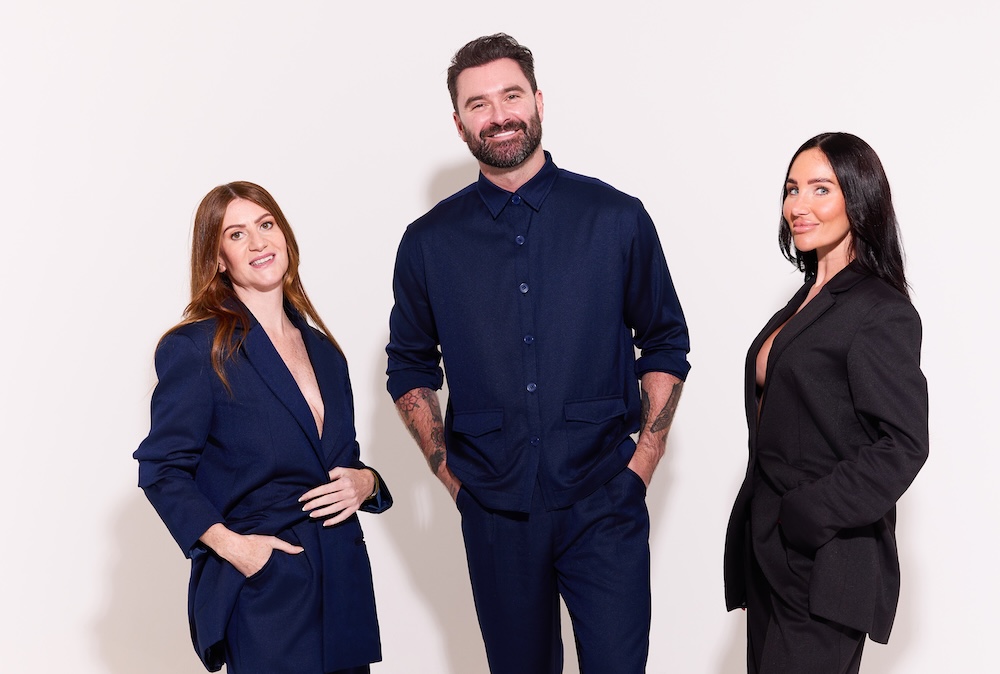
Jade Hayter’s new capsule collection of salon-friendly fashion is not just elegantly tailored, it will help you do your bit to save the planet.

by CATHERINE | INFORM

Jade Hayter

Make no mistake, Jade Hayter, hairdresser and founder of the 145 Collective, a hub for freelancers and businesses in Glasgow, loves fashion. It’s fast fashion she has a problem with, the production of rapid, low-cost, trend-driven clothing that drives nearly 10 per cent of global carbon emissions, consumes huge amounts of water – and the vast majority of which ends up in landfill.

Adding to her feeling of unease was the discovery that 140,000 metric tons of that textile waste are generated by hairdressers – mainly garments discarded after contamination by hair colour and bleach. This high risk of damage means hairdressers often resort to wearing cheap clothing in the workplace, perpetuating the disposable clothing culture. But while there were plenty of discussions around sustainability focused on chemical waste from products, it seemed nobody was talking about the impact of textile waste. Something, it occurred to Jade, had to be done.

“There was nowhere that I could buy really nice, tailored clothes that weren’t going to get ruined at work,” she says. I’m talking about the clothes that I like to wear on days when I don’t have clients or when I’m not doing colour. And that got me thinking, ‘What I need are some really nice statement pieces that I can wear to work and not have to worry about them.’ And when I did a deep-dive into the stats around how much clothes get ruined at work, I was disgusted. And I thought, ‘There has to be a better option.’”

The capsule collection includes smart tailored pieces for men and women

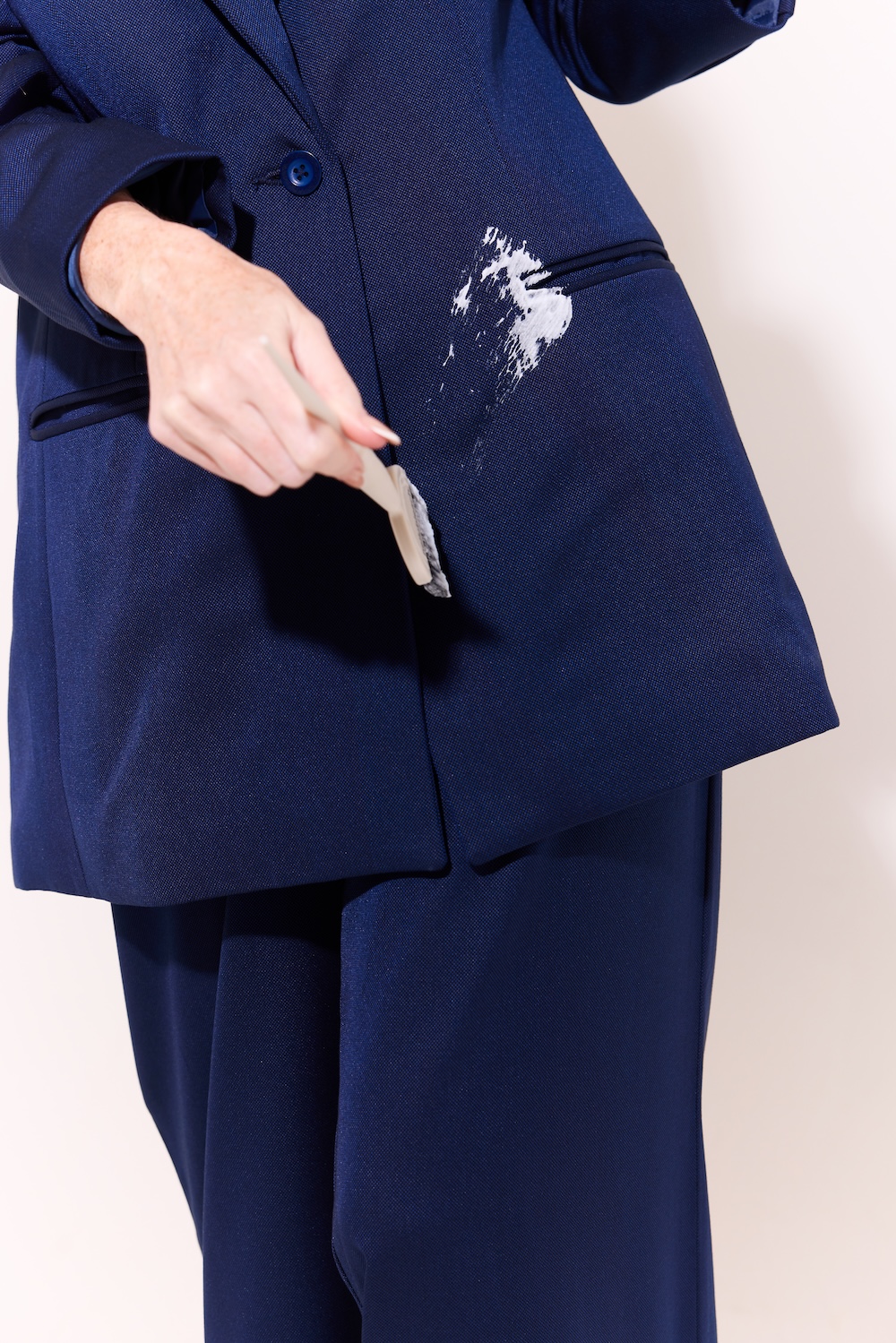
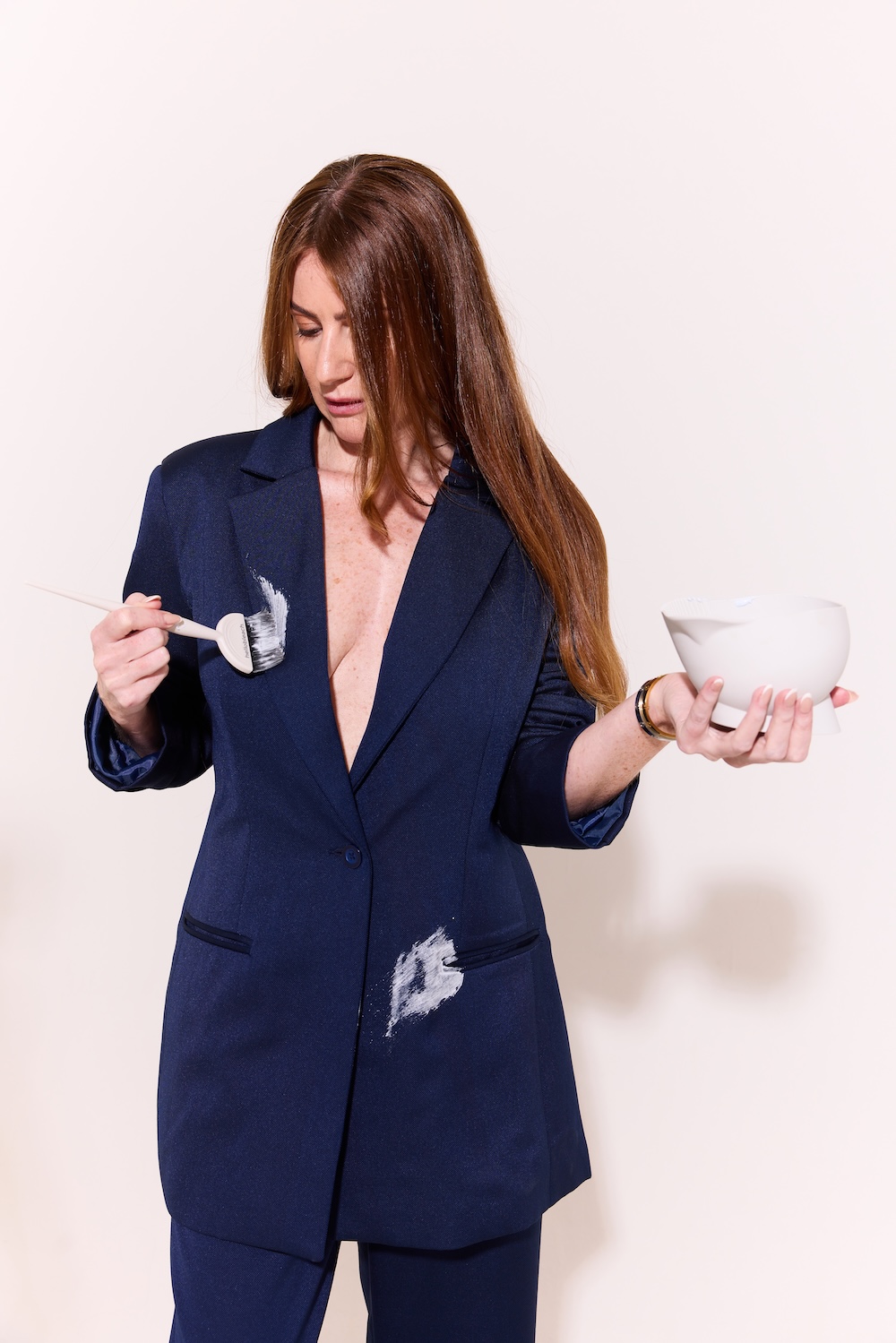
Jade, who studied fashion and textiles before becoming a hairdresser, set about her mission of re-writing the fashion cycle by designing a collection of elevated, bleach-proof clothing that would appeal to the modern hair pro, last longer, be kinder to the planet and which could be worn season after season. In the end, it took her almost a year before she discovered a fabric that was up to the task – a coated polyester that is almost 100 per cent bleach-proof – but now, with the launch of her new business, her dream has now finally become reality.

Available to pre-order exclusively now at jadehayter.com (get a 20 per cent discount using code JH20 until 31 July), Jade’s launch collection consists of an oversized blazer, a waistcoat and trousers for women, plus an oversized shirt and trousers for guys (though Jade is keen to point out that men have also asked to wear the blazer). Smartly tailored and with beautifully detailed stitching and buttons, the collection is currently available in black and navy-blue options, with plans to release the styles in different colours moving forward. A classic T-shirt is also in the pipeline.

“I’m not saying you have to wear top-to-toe Jade Hayter,” she says. “This is a capsule collection and the idea is that you can combine these pieces with other items of your own. I’m more interested in creating a movement where you’re educating people on how to wear clothes well. It’s imperative that we have a capsule wardrobe that we don’t discard, we actually keep adding different pieces s we move forward. The key thing about fast fashion is that constant new season, new this, new that. I wanted to design pieces that are timeless, that suit any age, any style – it’s for everyone.”

All articles are bleach- and tint-proof and designed to last

With prices starting at £65 for the waistcoat and rising to £140 for the blazer, Jade realises this presents a challenge when it comes to her desire to halt the rise of fast fashion. While shoppers, and particularly the younger generation, say they’re concerned about sustainability, a recent study by Sheffield Hallam University found that nine out of 10 Gen Z-ers are still buying fast fashion. The fact that Shein adds, on average, an eye-watering 6,000 new styles to its website every day shows the scale of what she’s facing.

Jade insists her clothes will never go on sale (“This is such a driving factor in fast fashion”) but she’s offering an initial 20 per cent discount on orders and in the longer term will introduce a reuse andrecycle initiative where clothing can be returned to be cleaned, repaired and re-sold at a discount price. All the packaging is 100 per cent curbside recycled, too.

The fact that it’s normalised in our industry just to bin clothes that are ruined needs to stop,” saysJade. “It’s a massive problem but it needs to be fixed and I really do want to change things. People have laughed at me because I’m just one person, but I’m so passionate about my brand and what it can achieve. What I’m doing really stands out from other bleach-proof lines that are popping up but that are emulating fast fashion. There’s room for everyone and I want to build a community of stylish hairdressers who want to do good and look good. If I can change the way someone thinks about purchasing, then I’ve done what I set out to do.”

How Does Fast Fashion Affect The Environment? 

According to the United Nations, the fashion industry is responsible for between 8 and 10 per cent of all global carbon emissions*. That’s more than all international flights and shipping combined.

It also accounts for 20 per cent of all wastewater production. About 93bn cubic metres of water – enough for 5 million people to survive – is used by the fashion industry every year.

A significant portion of discarded clothing ends up in landfill. Globally, the textile industry occupies roughly 5 per cent of all landfill space, with about 92 million tons of textile waste produced every year.

Only 1 per cent of used clothes are recycled into new clothes, according to the European Parliament. On average, Europeans use nearly 26kg of textiles and discard about 11kg of them every year. Most (87 per cent) are incinerated or landfilled.

The rise of fast fashion has been crucial in the increase of clothing consumption, driven partly by social media and the industry bringing fashion to consumers at a faster pace than in the past.

New strategies to tackle this issue include developing new business models for clothing rental, designing products in a way that would make re-use and recycling easier (circular fashion), convincing consumers to buy clothes of better quality that last longer (slow fashion) and generally steering consumer behaviour towards more sustainable options.

Despite the growing popularity of sustainable and ethically made fashion among younger generations,fast fashion is growing rapidly in volume and profit. According to research by CoherentMI, in the United States alone, fast fashion was worth $41.15 billion in the year 2023 and is anticipated to reach $59.85 billion by 2030.