No Results Found
The page you requested could not be found. Try refining your search, or use the navigation above to locate the post.

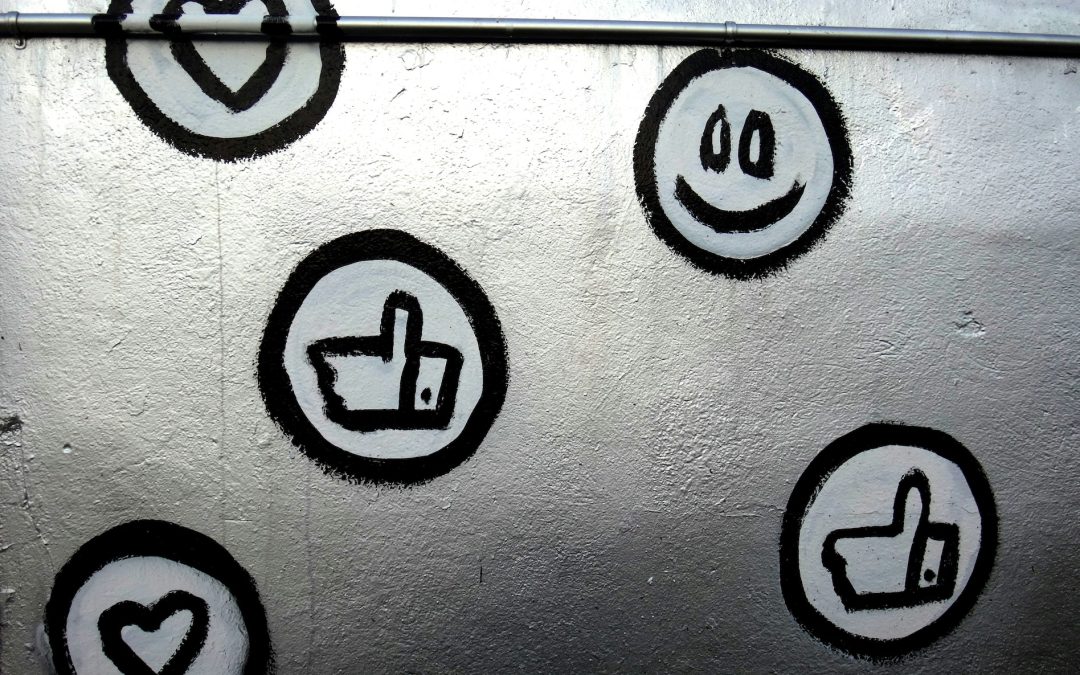

George Pagan, Unsplash
Think local
You need to identify your objectives for an influencer marketing campaign. This will dictate the types of partnerships you should prioritise and how to execute them. Assuming it’s a campaign designed to grow awareness and drive consideration for SMEs working to a budget, you should explore collaborations with micro-influencers in a targeted, local campaign. This is cost-effective, generating on average $5.78 (£4.55) in earned media value (EMV) for every dollar (79p) spent. It can help to boost your content output, grow your audience, and increase credibility.
Focus on TikTok and Instagram
You’ll get best value for money on TikTok and Instagram, which are still the best-performing platforms when it comes to influencer partnerships because of the reach they can generate and the number of influencers available, especially in the beauty and personal care sectors. Knowing your core target audience will determine which platform is best suited for your influencer marketing campaign. For example, TikTok typically skews towards a younger demographic. Knowing the type of content you want to create – whether it’s long form or short form, or video or still imagery – is crucial. TikTok tends to generate better performance for short-form video content while Instagram is a more effective channel for still imagery.
Who are you targeting?
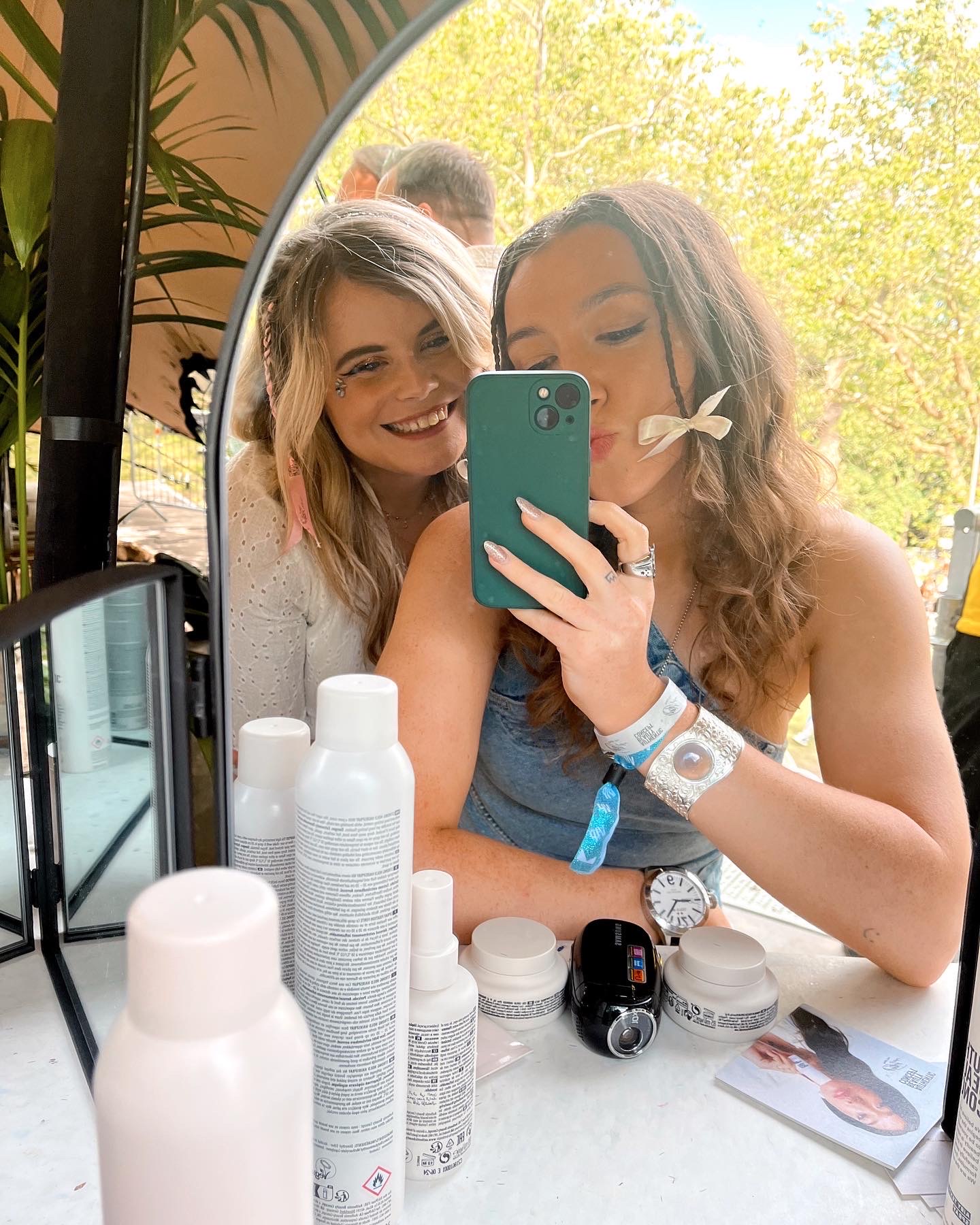
You need to identify your key target audience. Focus on demographic characteristics such as age, gender and location, which are key indicators of an individual’s interests and potential purchase motivations. This will help to whittle down the list of prospective influencer partners. You should also explore subcultures with an affinity to your brand and target audience. For example, participating with influencers active in the Hairtok conversation on TikTok in which consumers share hair related content.
Go micro
These subcultures are where you’re most likely to find ‘micro-influencers’, with smaller but often more loyal and more engaged audiences. It means that they often generate higher engagement rates, which means more impactful collaborations and better return-on- investment if you’re working to a budget.
To pay or to gift?
To further keep costs down, you might want to explore gifting instead of paid collaborations, offering free services and/or products in exchange for visibility on the influencer’s channel. This method may not work for influencers with large followings since their barrier to promotion can be much higher, but this approach can be highly effective for local micro- influencers who are effective in spreading positive word-of-mouth.
Take over a trend!
Consider ‘trend hijacking’ as an approach to influencer collaborations. TikTok has changed audience behaviours and the speed at which content is consumed, popularised and then dissipates. Businesses able to spot trends and react quickly to them can gain significant reach on a budget, using influencers to join the conversation more organically. Small businesses have the benefit of being agile, so can use this strategy to effect.
Trust is key
Effective influencer marketing relies on trust, which means authentic partnerships are crucial. This is built by creating genuine relationships with the influencer and the business and its services. You can do this through gifting so the influencer actually knows your offering well and genuinely endorses it as a user themselves. Longer-term partnerships, which are far more convincing than one-off collaborations, help too. Consider committing to more than one sponsored post with an influencer or within a niche community.

Thomas Walters
Love their content?
It could be a match Choosing the right influencer can be a challenge. It’s important that the look and feel of their content is aligned to your aesthetic, especially if you plan to amplify the content beyond their audience. Ensuring alignment leads to improved performance and engagement. You’ll need to do your due diligence and thoroughly assess an influencer’s track record to ensure they align with your values and to ensure there aren’t any contentious historic posts.
Track it all – and track the right stuff
Careful monitoring of performance to gauge effectiveness can be hard. You’ll need to work with the influencer closely to secure their first party data insights. Be wary of assessing performance against the right metrics. Beyond vanity metrics, such as engagements, you should also consider comments, saves and shares. They show deeper consumer intent.
The page you requested could not be found. Try refining your search, or use the navigation above to locate the post.

The hairdressing landscape is complex and challenging, so it’s more important than ever for business owners to be pro-active and strategic. Here are the best ideas for thoughtful decision-making to come out of Creative HEAD’s networking event for salon and barbershop owners, Salon Smart 2024.
Massarella & Jones
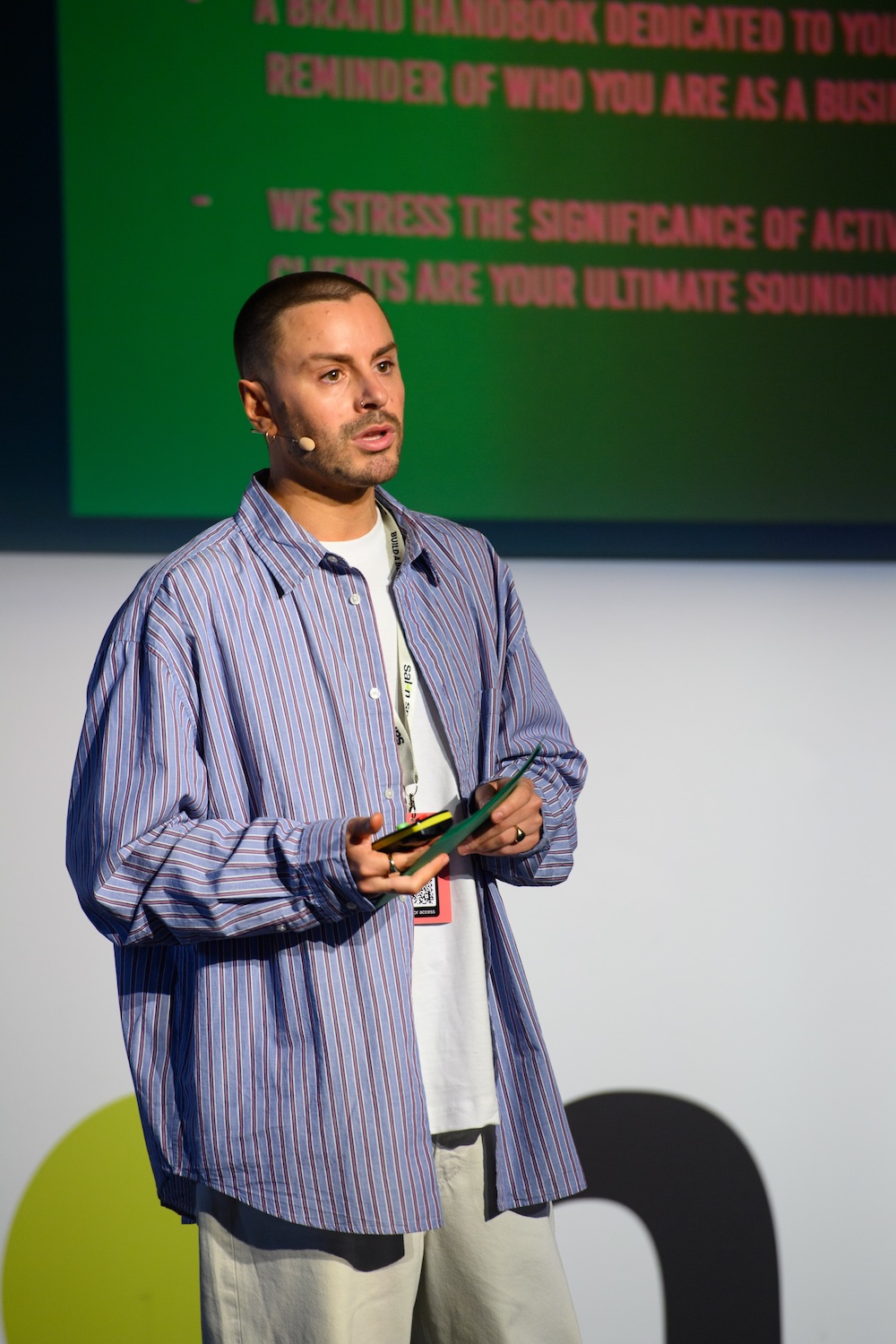
Business collaborations can bring lots of benefits: they help build relationships, generate ideas and create new opportunities. When Jordan Massarella and Ben Jones opened their new Massarella & Jones premises in Leamington Spa, they made it a priority to develop relationships with local businesses that operate exclusively online. A collaboration with a local florist not only ensures the reception area always has stunning flower arrangements, the blooms are also available for clients to purchase; a collection of books on the coffee table includes works by local authors, giving clients the chance to discover new literary talent. Says Ben: “Our salon operates as a shopfront for these businesses, giving them useful exposure, and we gain brand awareness through their social media followings that target a similar local demographic to our own, which in turn brings new clients through the door.”

Chris Foster
Yes, we know, AI feels very Brave New World, but it is revolutionising the way businesses interact with their customers, and salons should grab a slice of that action, argues professional profile-builder (and men’s hair specialist) Chris Foster. AI-powered chatbots can be programmed to do anything from handle queries to offer personalised advice, using natural language processing and machine learning to communicate with customers in real time. “What if you had a retail bot in your business, just retailing? While you’re talking to your client about Love Island, she can interact with the bar code by her chair, which is recommending her products, showing her how they’re to be used, she puts them in the basket and picks them up at your till. A well-trained bot is an asset to any business,” he said.
Sam Cusick
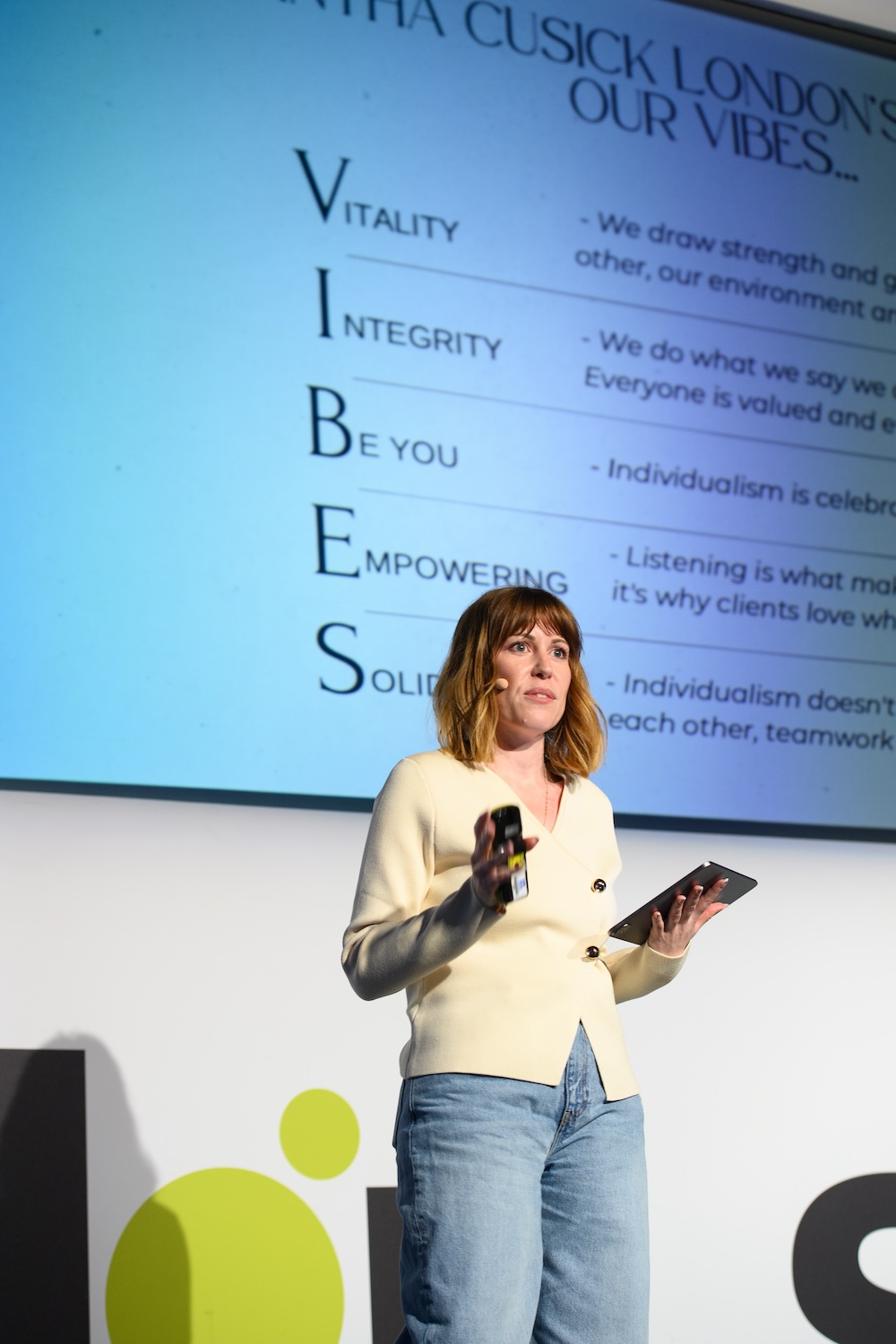
As a business owner you’re probably attempting to do the work of five full-time jobs. Keep hold of the parts where you know you bring value but ensure people with different strengths take care of the rest. As serial entrepreneur Samantha Cusick stated: “In order to grow, you need to take steps to work on your business, not in it. That includes delegating tasks, so that you can create the time you need to work on your plans.”
And after years of being told not to put the salon assistant in charge of Twitter, Instagram et al (something about compromising the ‘authentic tone of voice,’ we seem to recall) it turns out even social media is fair game for delegation. Says Ben Lifton, social media expert of Content Kweens: “I thought my socials had to be all about me, but I learned the hard way that’s not the case. I hired someone to help me with content creation and they shone a light on so many holes in my existing business and so many new avenues I could explore. Delegation is important!”
Mark Ronayne
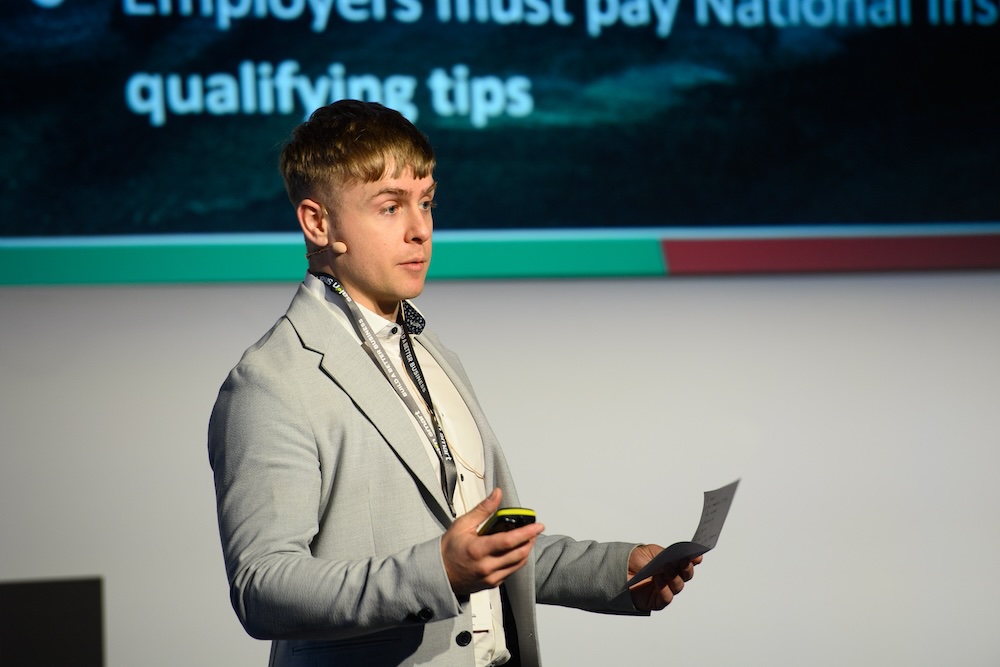
Are you familiar with the Employment (Allocation of Tips) Act 2023? (Err, hello, what?). It’s a piece of legislation – expected to be introduced on July 1 this year – that creates a legal obligation on employers across all sectors (including hairdressing) to allocate all tips, gratuities and service charges which they are paid or which they exercise control or significant influence over to workers, without any deductions. It also requires employers to ensure that the distribution of qualifying tips between workers is fair.
The legislation and draft code concern what is called ‘Employer-received tips’, which involve tips paid by a consumer and subsequently allocated and distributed to workers by the employer. For example, a client pays a tip via card payment made into the employer’s bank account before being distributed to the workers.
This is different to ‘Employee-received tips’, whereby the employer has no control over how the tips are distributed. For example, if a client pays one of your team members a cash tip that the team member is entitled to keep for themselves. Employee-received tips are not covered by the legislation.
With the aim of promoting fairness, the new legislation places great weight on an employer’s duty to be transparent when it comes to tips and how they are allocated and distributed. To ensure transparency, employers will be required to:
• Have a written policy in place for how tips are dealt with at their place of work: This policy must be made available to all employees and agency workers.
• Consult with workers to seek a broad agreement that the allocation of tips is fair, reasonable and clear. As above, factors determining the allocation of tips must be included in the written policy.
• Keep a record of tips received and distributed to each employee for three years from the date of the tip: All records need to be kept for three years from the date that the tip or service charge is made by a consumer.
• A worker has the right to make a written request (limited to one request per worker in one three-month period) to view the tipping record for a period dating back three years. If a request is made, the employer must provide:
The individual’s tipping record; the total amount of qualifying tips received by the employer (i.e. Employer-received tips); and the amount of tips paid to that specific individual (tipping records of other individuals must not be disclosed as part of this process).
(Luckily for customers of salon software Phorest, as Salon Smart presenter Mark Ronayne confirmed, there’s a free update that ensures your customers can still tip, and you will stay compliant. For more info visit phorest.com)
Maddi Cook
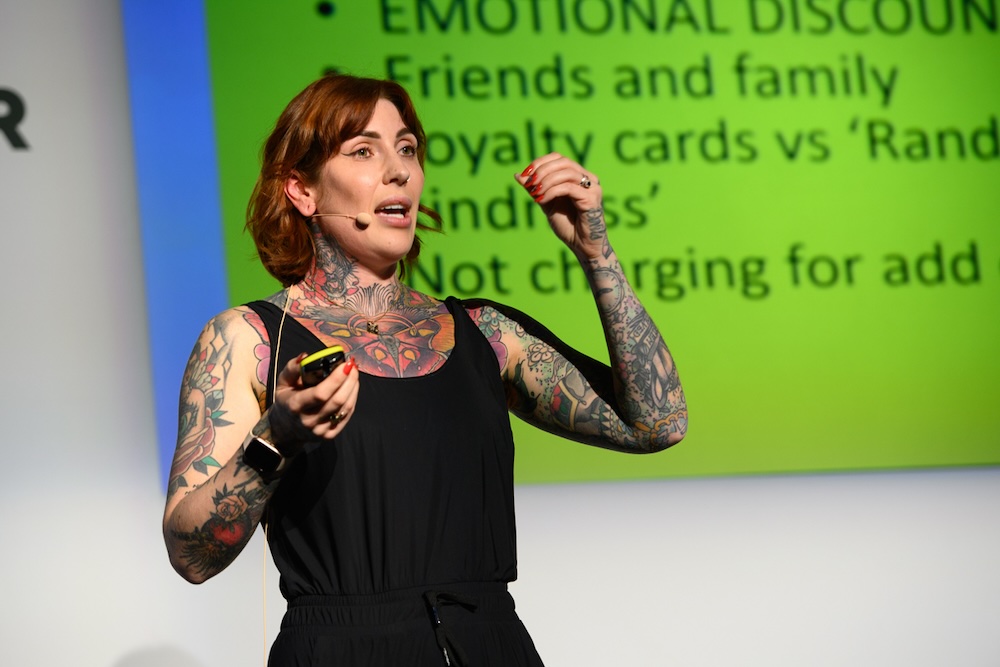
It’s common knowledge that the hairdressing industry can be guilty of discounting (let’s face it, discounts are easy to give away). And yes, they can be a great way to promote your business, bring new customers and turn existing ones into loyal clients but discounts can play havoc with your profit. So is there another way?
“Please put your prices up, guys,” says Boss Your Salon boss Maddi Cook, who once surveyed 20,000 hair pros on how they set their current prices to discover that 80% either copied their competitors or guessed. “The prices you charge need to be tailored to you and your business. You will have your own household income, number of kids, amount of debt and mortgage interest – and that’s what make your goals so specific to you. There are so many moving parts. So your pricing has to be really personalised to you and based on your goals. And actually, when you learn to articulate the value of what you do – the incredible hair you create, the services you offer – pricing becomes less and less relevant. And that is one of the easiest ways to soften the blow for any price increase is to lean into that and learn how to articulate what you do.”
Meanwhile, Danny Coles of colour management system Vish says salon owners need to start looking at the cost of product, in order to price services more accurately and profitably. Other industries charge for every bit of product, he argued, whether that’s ordering an extra ‘side’ in a restaurant or a refill in a wine bar – while salons often lose out by not understanding the numbers (a Vish survey of 2,400 salons showed that one in five colour services are non-profitable). “Learn from your local garage,” said Danny. “They break down their invoice into parts and labour, and you need to start thinking that way too. Break down your services into time and product cost, price accordingly, and the profits will come.”
BaBylissPRO is the home of iconic precision tools that empower professionals the world over to deliver dazzling looks on the daily.
Their six salons will be using the refillable, customisable colour lab

IHF demands wage and tax reforms to save industry from collapse
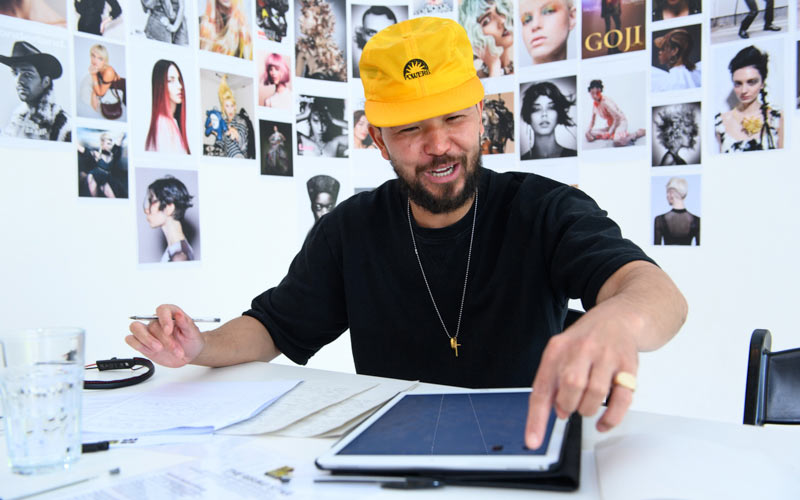
Tommy Cunliffe, 2023 judge
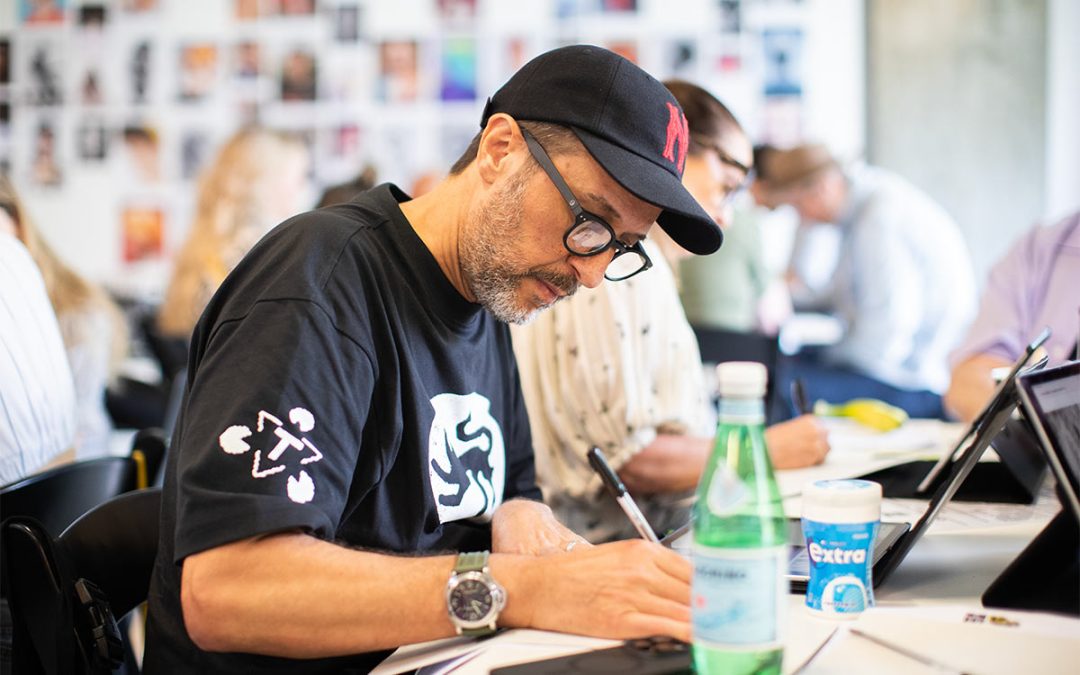
We know you’ve got this, but we also know it takes a lot of time, energy and focus to compile an awards entry, so a bit of guidance to keep you on track can only help, right? The following five tips have been gathered from years of experience running the competitions, together with feedback from our judges, so we reckon they’re worth a look. Now, go forth – and go get those Most Wanted and It List trophies!
1. Get to grips with what’s needed first
Once you’ve chosen the category or categories you’re entering, really take time to understand what the criteria is asking for. Not only is it vital to hit all the asks to be eligible for the next phase, but our judges refer to the criteria while they’re evaluating each submission, deciding who has met the brief brilliantly. They can be a great guiding tool in setting out a clear framework for your submission.
2. Pack in personality
Think about what sets you apart from your peers. How can you give the judges a sense of who you really are? What is the unique story you want to tell? Inject tonnes of personality into your entry – including within the language you use, the imagery you include, and the stories you’re sharing. This will all help to ensure what you put forward is as authentic to you as possible.
3. Share learnings as well as successes
The Most Wanted and It List awards are about your journey, not just a small snapshot in time. It’s as important to include how you got to where you are now, as it is to talk about your present situation and future focuses. Don’t be afraid to include learnings alongside successes, judges love to hear how you overcame obstacles and used the experience to fuel your fire!
4. Show variety
Demonstrate the breadth of your brilliance! If you’re entering a creative category, have you shown a wealth of different work and skills at play, for example a variety of styles/techniques on a diverse range of people. If it’s a business category, have you shared a good balance of what you offer and achieve? Absolutely shout about your key strengths but consider the full scope of what you offer within your craft too.
5. Leave time for reflection
You may feel time is on your side right now, but don’t be fooled! You’ve got a lot of awesomeness to sift through and assemble, so make sure you build in enough time to review your entry, make any revisions, and get it uploaded in time for the deadline.
That’s it! Five handy hints to help you on your way, may it be fun and fruitful, good luck!
It’s free to enter the Most Wanted and the It List 2024. Entries must be submitted no later than 9pm on Monday 20 May. For category lists and entry instructions, click here for Most Wanted and here for the It List.
The page you requested could not be found. Try refining your search, or use the navigation above to locate the post.
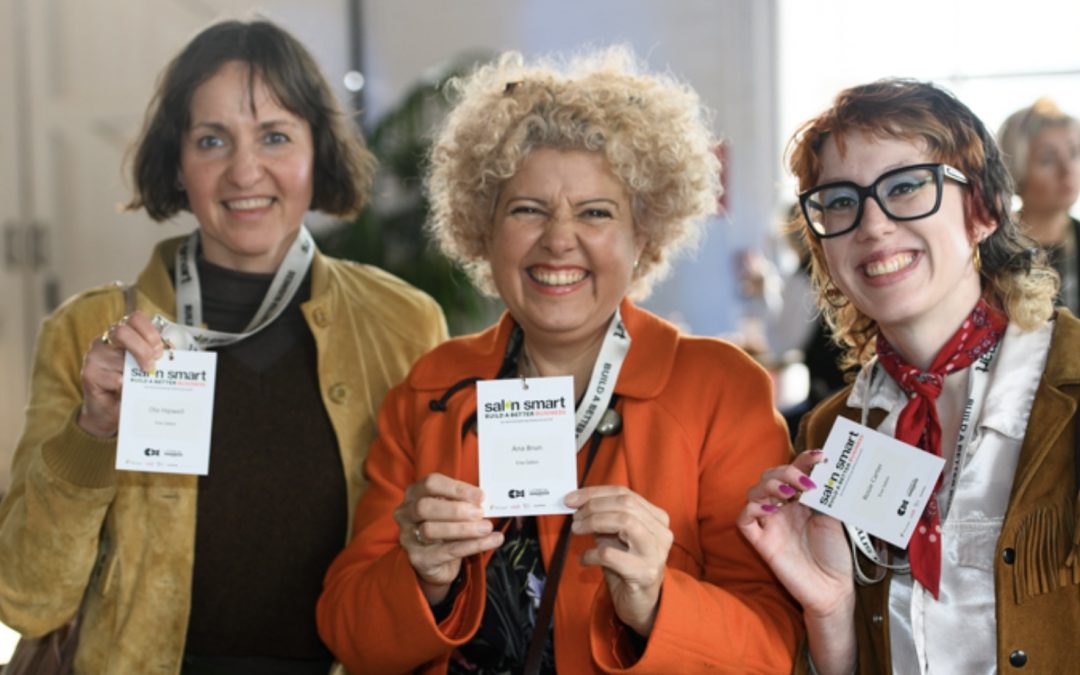
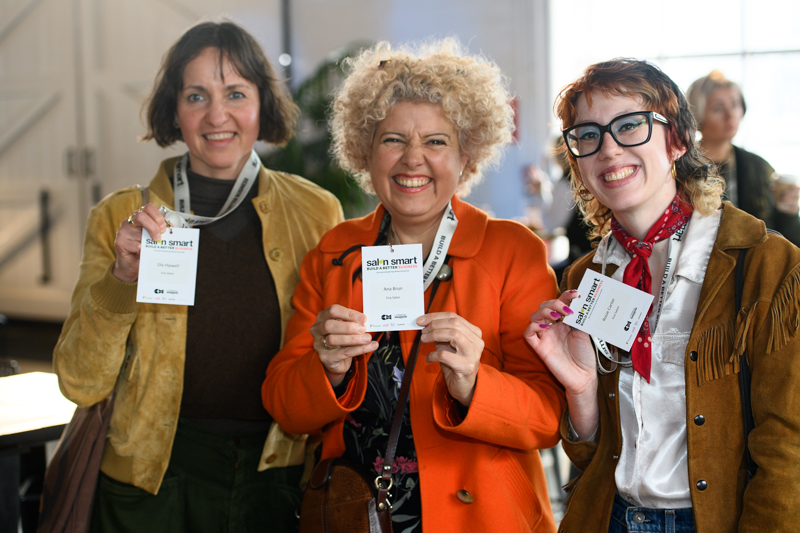
First things first: Salon Smart 2024 was an absolute belter – packed with people and packed with new ideas for how best to run a hair business now. Tickets for Creative HEAD’s networking event for salon and barbershop owners and managers had sold out weeks in advance, so it was a lucky crowd of 200 first-past-the-post hair pros who descended on the Chain and Buoy Store in East London for a day of insight, learning and inspiration delivered by industry experts and innovators. And what did they learn?
With no less than 22 awesome presenters and panel members taking to the stage, the Salon Smart agenda was diverse and wide-ranging. But as the day played out, some key themes emerged:
• It is vital now to embrace technology within your business, whether that’s using best-in-class software for client bookings, stock management and marketing; creating AI bots to tackle specific areas like retail or staff training; or harnessing the power of social media to find new clients (let’s face it, social media is the only place young humans are looking for a hairstylist nowadays). Tech is not only changing the game in-salon, it’s something your clients expect to experience within their salon visit, too.
• However, whizzy tech should not come at the cost of human connection. We heard a lot about the powerful role hairdressers play in the lives of their clients beyond a cut and blow-dry, whether that’s as an advisor, a listening ear or as a business within the community that’s genuinely making a difference. (Most Wanted Best Local Salon 2023 winner Alison McRitchie, owner of The Head Gardener in Inverness, delivered an incredibly moving showcase of the work she does at the Highland Hospice, where she provides joy and happiness to terminally ill cancer patients.) This human connection is unique and valuable and should lie at the heart of your business long into the future.
• Your client base will change dramatically over the coming years. According to keynote speaker Monica Teodoro, general manager of education and professional development at L’Oréal Professional Products, by 2035 your clients will be older, more male, even more urban, more ethnically diverse and also more culturally and religiously diverse. “Whatever you did before will not be enough for tomorrow,” warned Monica, noting that businesses will need to invest in education, in order to stay one step ahead of new skills and trends as they emerge, and they will need to be significantly more diverse. This latter point was also made in compelling fashion by textured hair campaigner Winnie Awa, who revealed that only 1% of the UK’s 35,000 salons currently cater for textured hair clients. “We need to work harder to create an inclusive environment for the products we use and the services we offer,” she said.
• Don’t be afraid to delegate. As a business owner you’re probably attempting to do the work of five full-time jobs. Keep hold of the parts where you know you bring value but ensure people with different strengths take care of the rest. As serial entrepreneur Samantha Cusick stated: “Take steps to work on your business, not in it. That includes delegating tasks, in order to create the time you need to work on your plans.”
Catherine Handcock, publisher, Creative HEAD
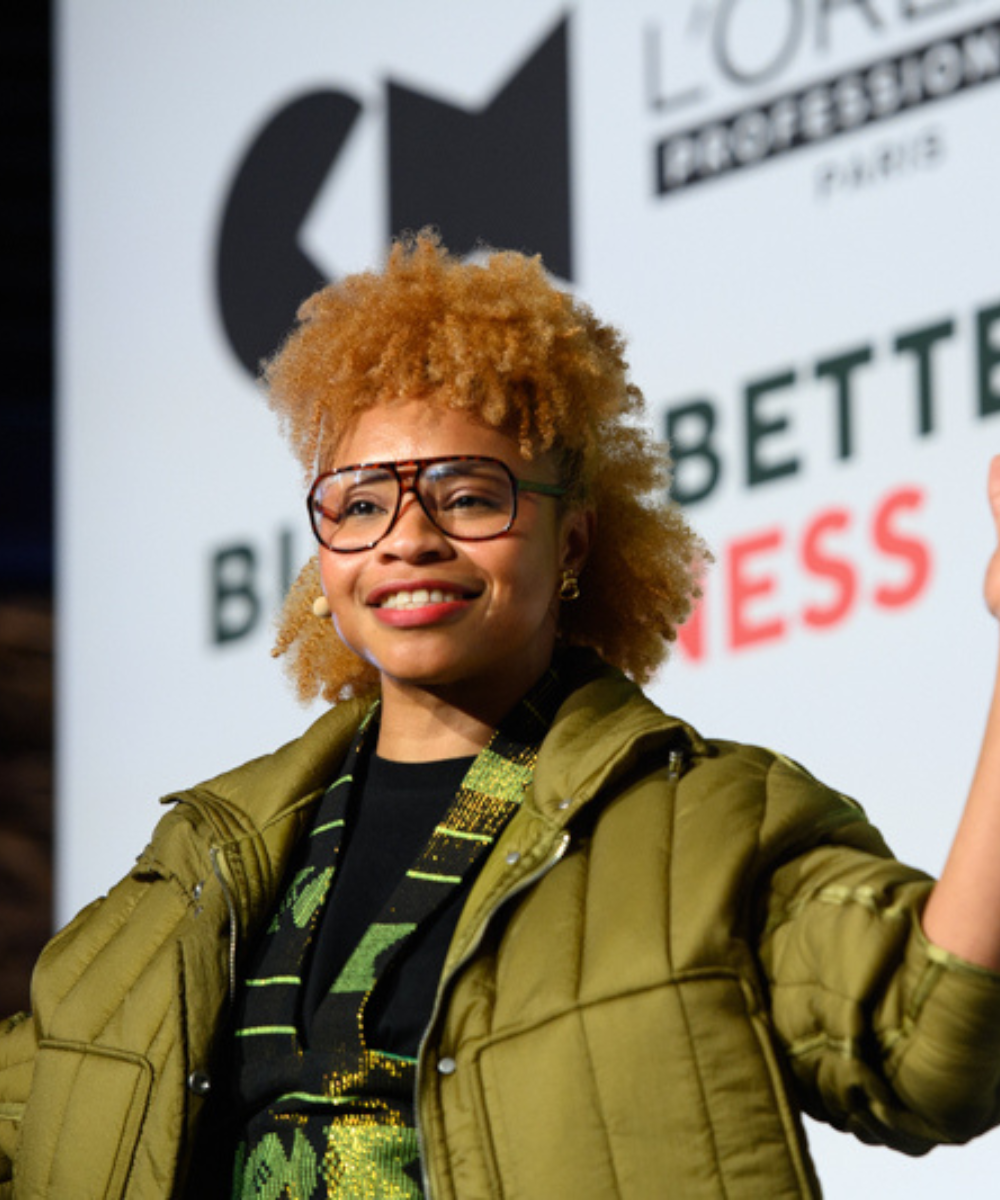
Winnie Awa

Monica Teodoro
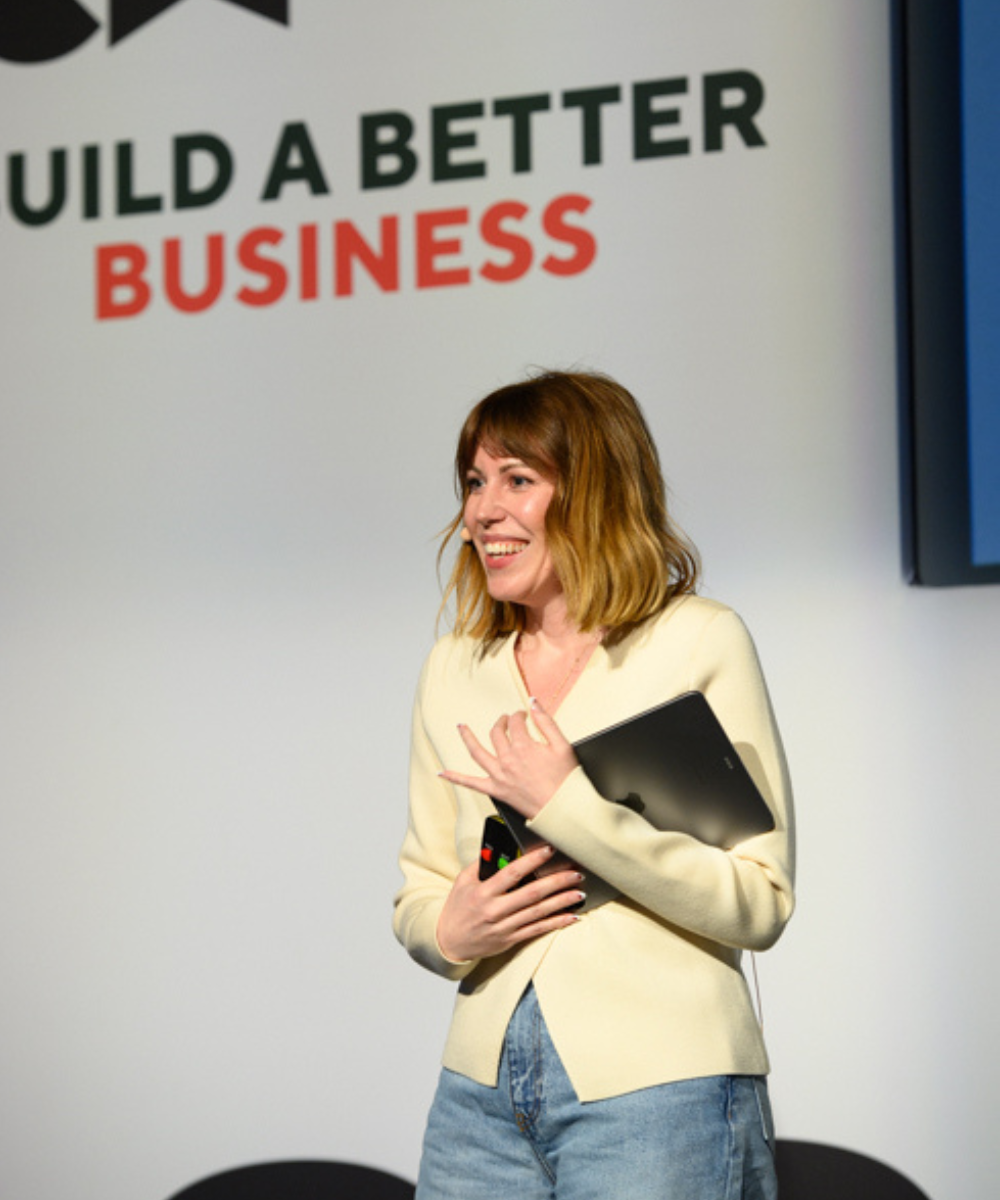
Samantha Cusick
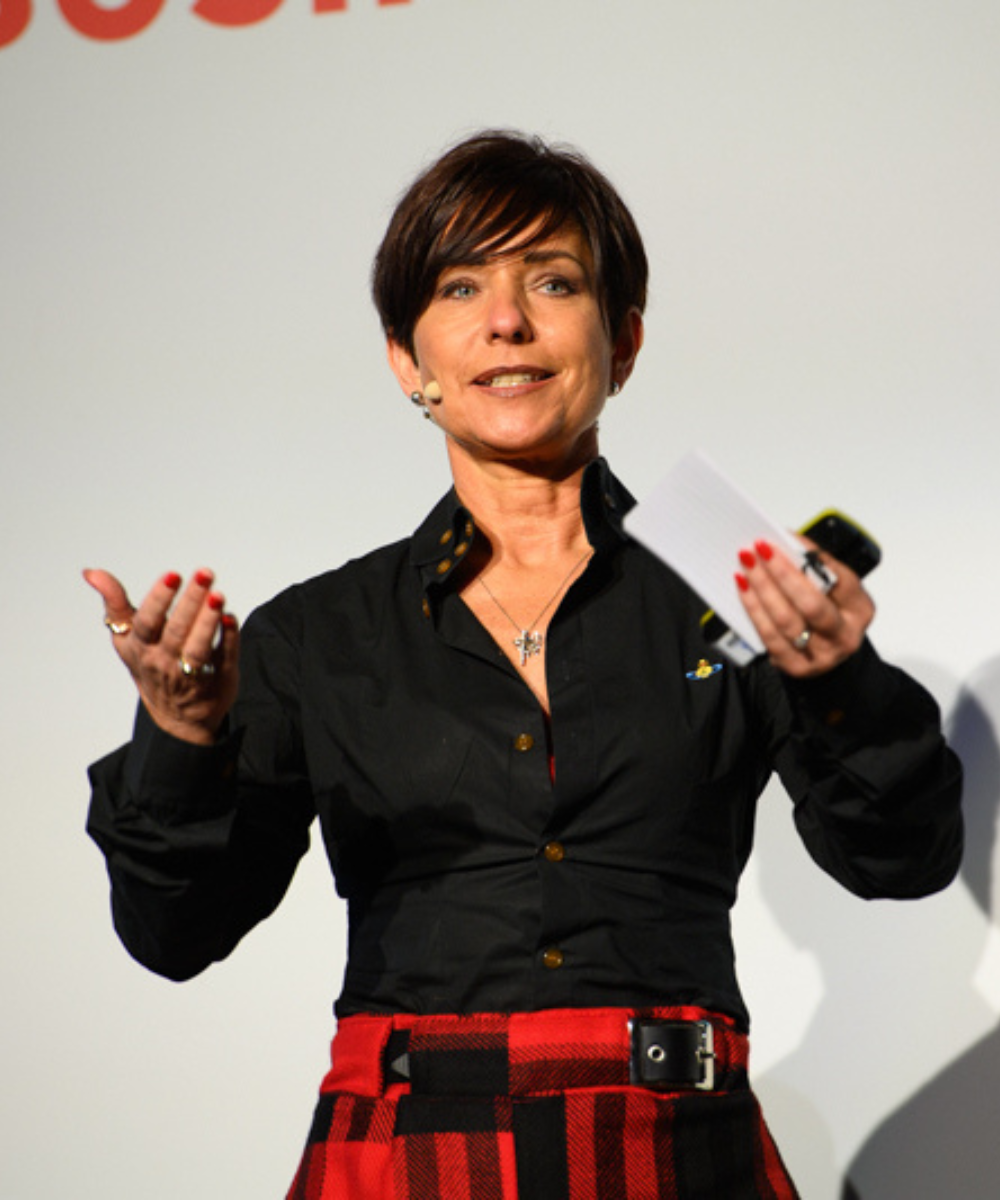
Alison McRitchie
And there was so much more to listen to and think about at Salon Smart 2024. In other highlights:
Jordan Massarella and Benjamin Jones shared the clever thinking behind their new Massarella+Jones salon in Leamington Spa, from their collaborations with local online-only businesses (“We give them a shopfront, while we benefit from their social media presence”) to how they created a homely and welcoming salon experience that fully reflects their personalities and brand ethos (the bespoke wallpaper, created by a local artist, features nods to the duo’s pets, agricultural upbringing and even their tattoos).
Mark Ronayne of salon software expert Phorest alerted the audience to upcoming new legislation surrounding tipping – primarily targeted at unscrupulous behaviour within the hospitality industry but also, coincidentally, impacting on hairdressing – and offered excellent advice on how to stay compliant (there was plenty of note-taking during this session!).
Staying with software, Danny Coles of colour management system Vish showed how salon owners need to start looking at the cost of product, in order to price services more accurately and profitably. Other industries charge for every bit of product, he argued, whether that’s ordering an extra ‘side’ in a restaurant or a refill in a wine bar, while salons often lose out by not understanding the numbers (a Vish survey of 2,400 salons showed that one in five colour services are non-profitable). “Learn from your local garage,” said Danny. “They break down their invoice into parts and labour, and you need to start thinking that way too.”
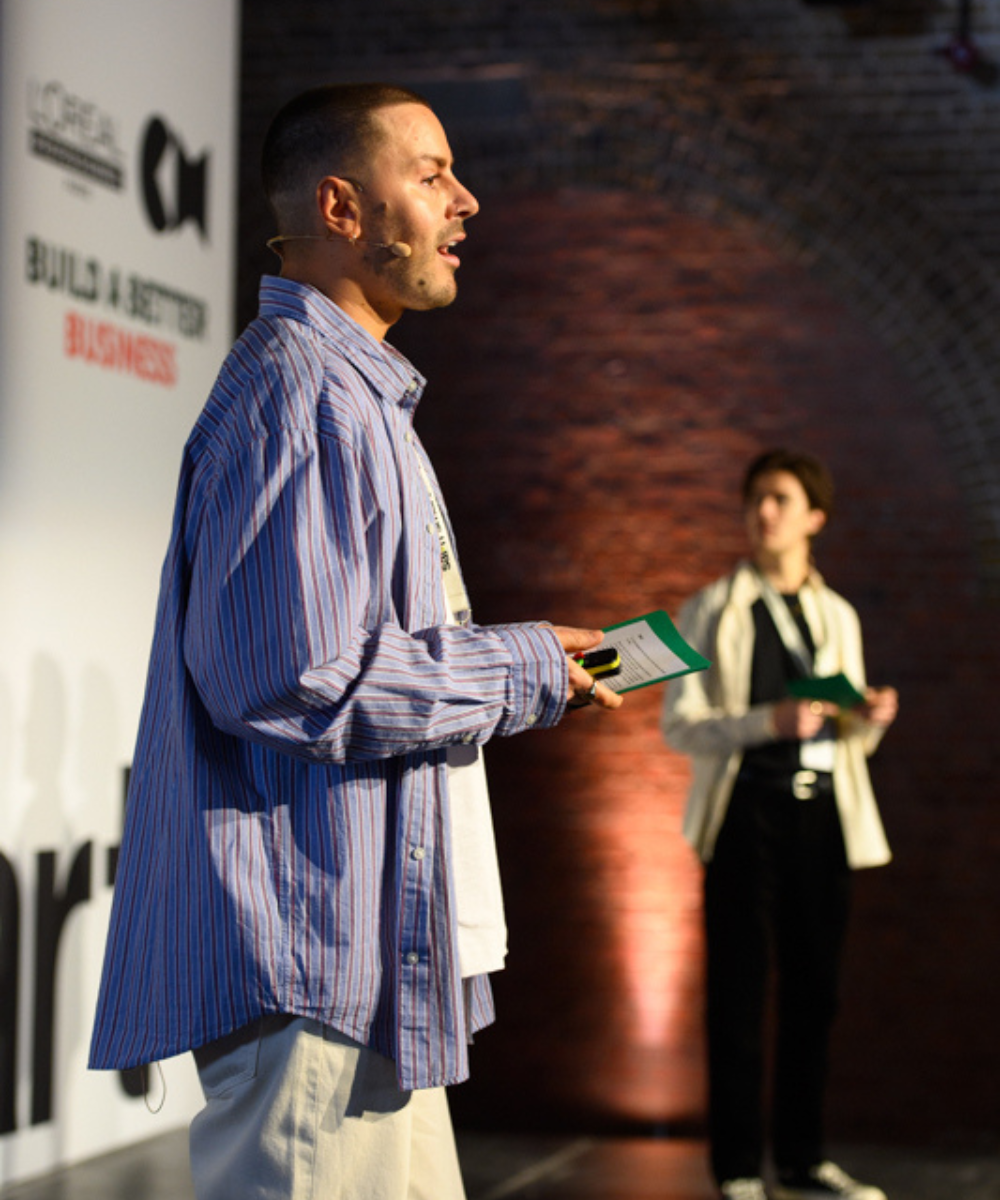
Jordan Massarella and Benjamin Jones
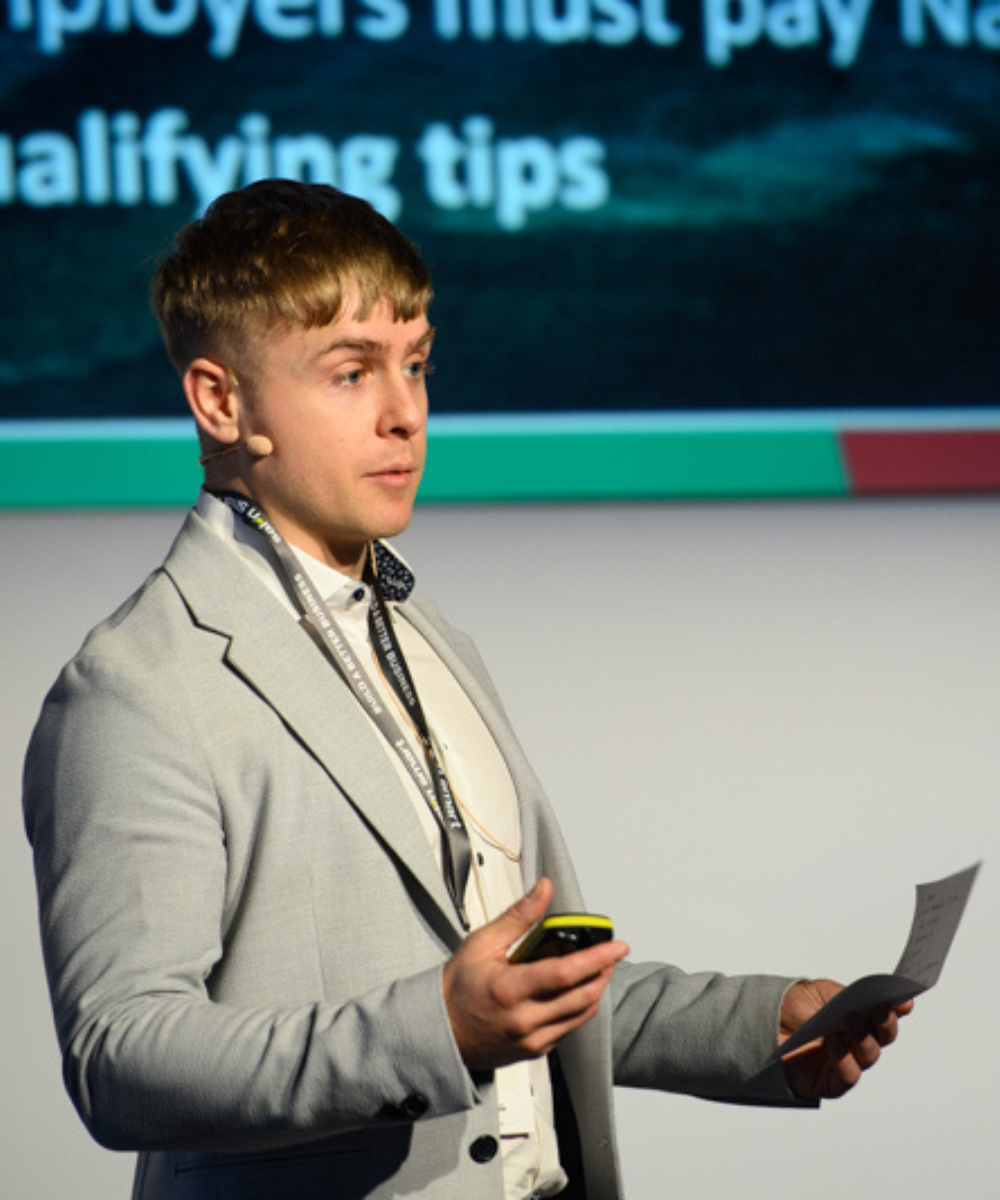
Mark Ronayne

Danny Coles
The Resilient Hairdresser, Hayley Jepson, offered tips on recognising and dealing with burn-out, a condition she believes is leading people to exit the industry. Juggling a business with family life (and the logistical overwhelm that can involve) and the exhaustion that comes with having to be “creative on demand” can lead to feelings of joylessness and resentment and the realisation that you don’t do anything for yourself anymore. Hayley’s advice? “I prescribe fun! Put your phone away, focus on your family, go out on date nights with your partner and make time for other creative outlets that are non-work related. If you’re going to look after clients, you’ve got to take care of yourself first.”
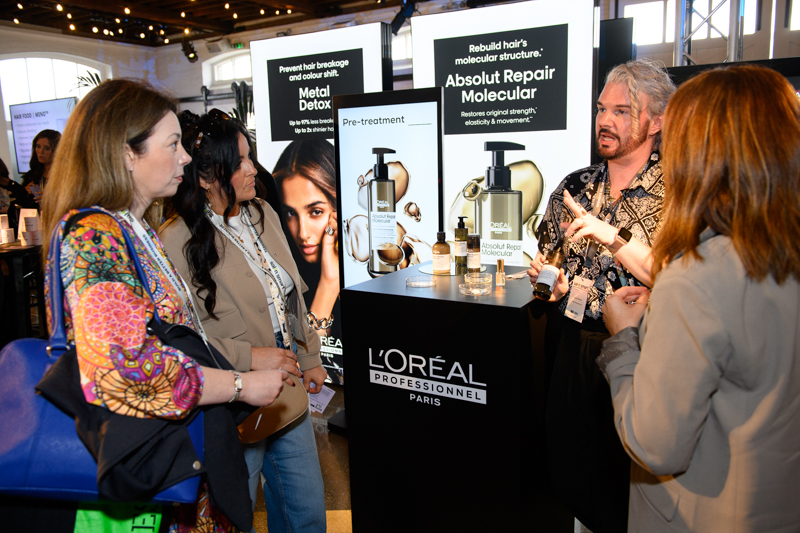
Delegates were fully immersed in the Salon Smart experience, with the opportunity to ask questions after every session, as well as taking part in on-the-spot polls about their business. A Working Lunch session also provided valuable contact with brands providing transformative business support and innovative products and services, including L’Oréal Professionnel Paris, Phorest, Vish, Beauty Works, Glowwa and Moroccanoil.
For a full report from Salon Smart 2024, read the April issue of Creative HEAD magazine. Register for your free copy here.
BaBylissPRO is the home of iconic precision tools that empower professionals the world over to deliver dazzling looks on the daily.
Their six salons will be using the refillable, customisable colour lab
IHF demands wage and tax reforms to save industry from collapse
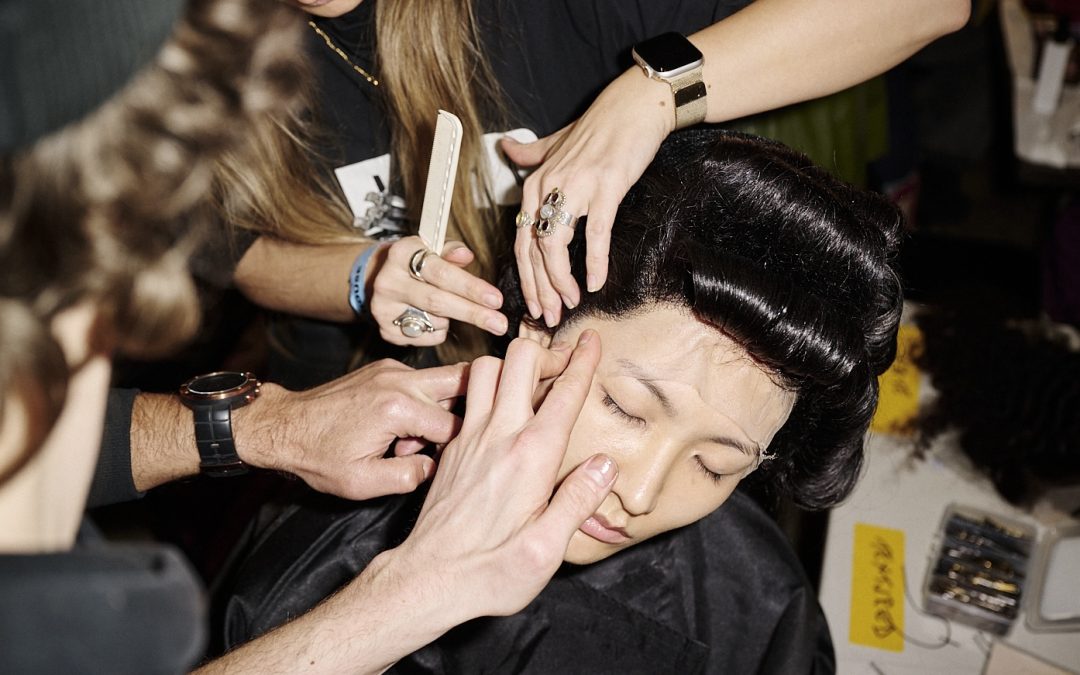
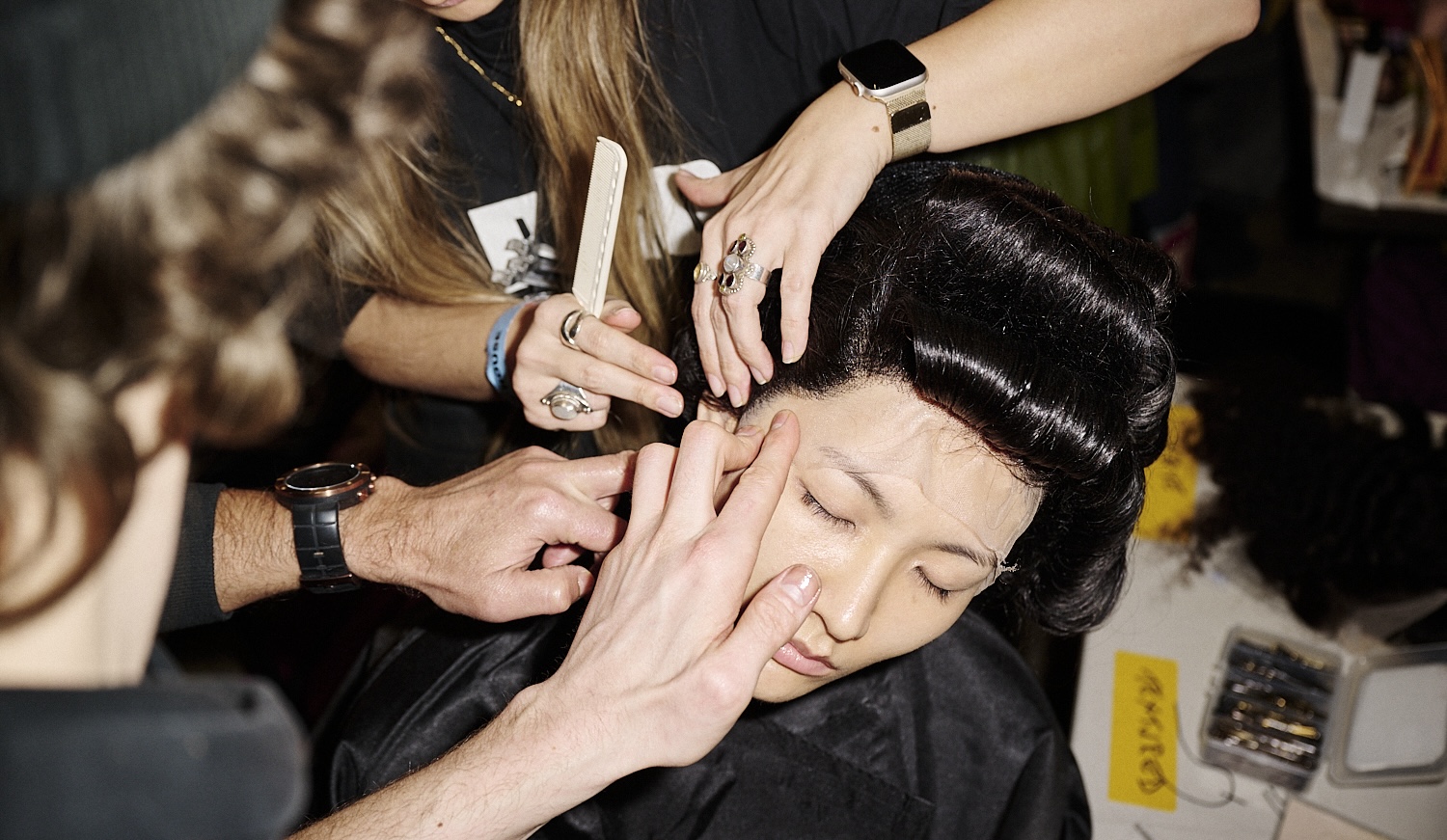
Apprenticeships don’t exist in session hairstyling. To get started, you do a lot of free work because you don’t have the experience to demand the wages. You build up your experience, you build up your portfolio and you build up your networking capacity until you can get the paying jobs… Or can you?
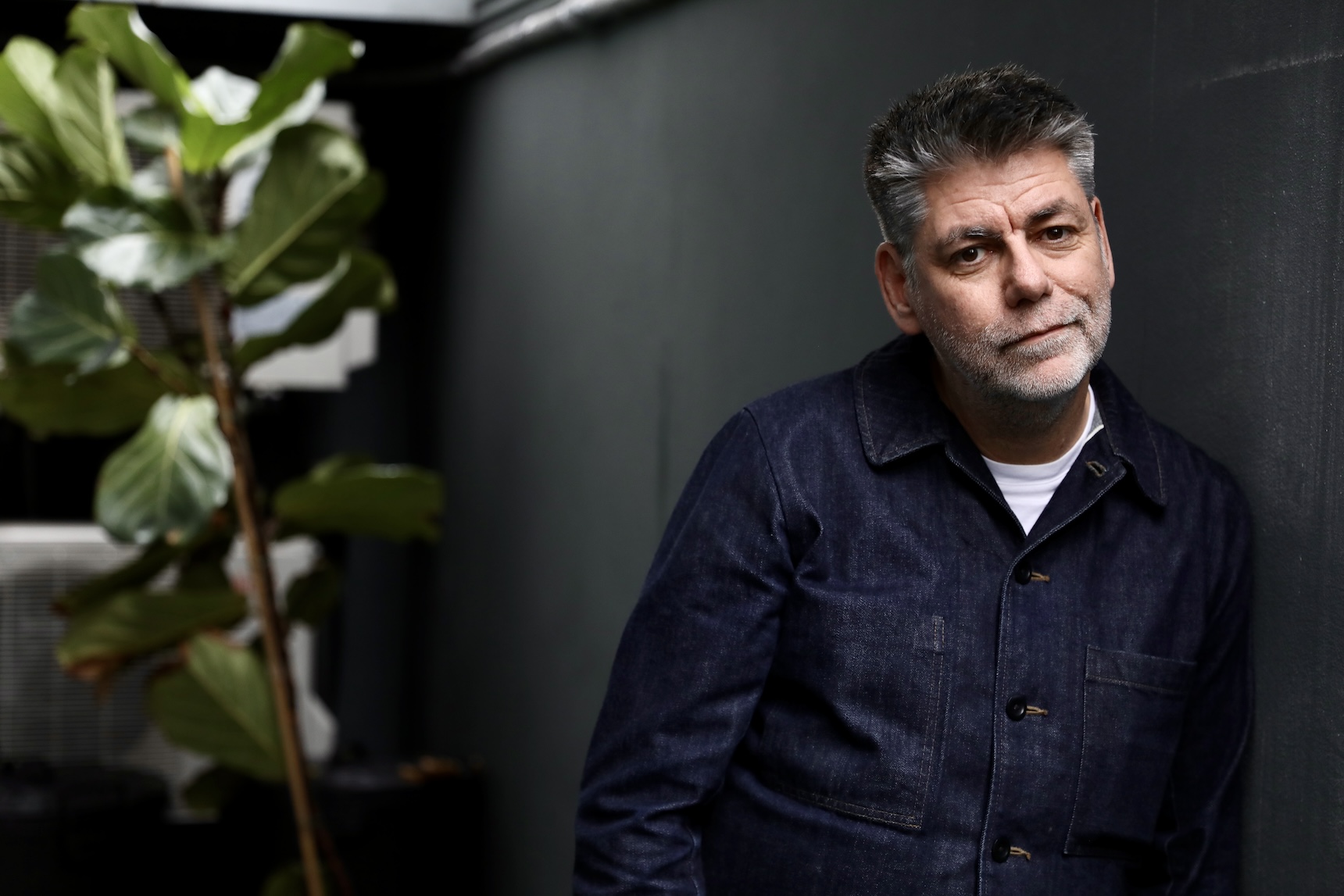
Joe Mills is no stranger to session work. He’s spent 20 years doing shoots and shows and has over 200 front covers and countless celebrity photoshoots to his name – about 90 per cent of which he reckons he did for free in the name of “relationship building”. But earlier this year he was requested for a front cover shoot where, yet again, he was told there was no budget for his skills on set – nope, not for a taxi across London to the studio, and not even a parking space if he chose to drive himself – only later to discover that the publication was being paid thousands of pounds by the fashion label client and possibly everyone else on set was getting paid, except him.
Enough was enough. Joe vented his feelings on Instagram and everything exploded.
Joe Mills
“That post got about 90,000 views, hundreds of comments and I was inundated in DMs from so many make-up artists, hair pros and groomers who had the same experience as me,” says Joe. “It’s endemic. You get told there’s no budget and to work for the credit, but you get told that time and time again – for years. You work on set and you don’t know who’s getting paid or not – nobody tells you anything. I’ve been in Paris for the shows and met hairdressers who have shelled out £3,000 of their own money to be there and they fully expect to have to work for free. It’s crazy.”
So why is this? Why do so many creatives work for free (happily or otherwise) on set and backstage? Of course, there are practical reasons: building up that portfolio in the early years, for example – an agency is unlikely to represent you if you don’t have enough editorial images in your book. And yet many already successful hairdressers, like Joe, who have a portfolio teeming with celebrity clients and illustrious credits, still get asked to work unpaid, even while others on set, such as the photographer or the fashion editor, very much don’t. Why is it always the hair pro who is compromised? Is it a necessary part of the process? Is it because hairdressers feel uncomfortable asking for money (ours being an industry of people pleasers)? Or is it simply that hair pros are being exploited?
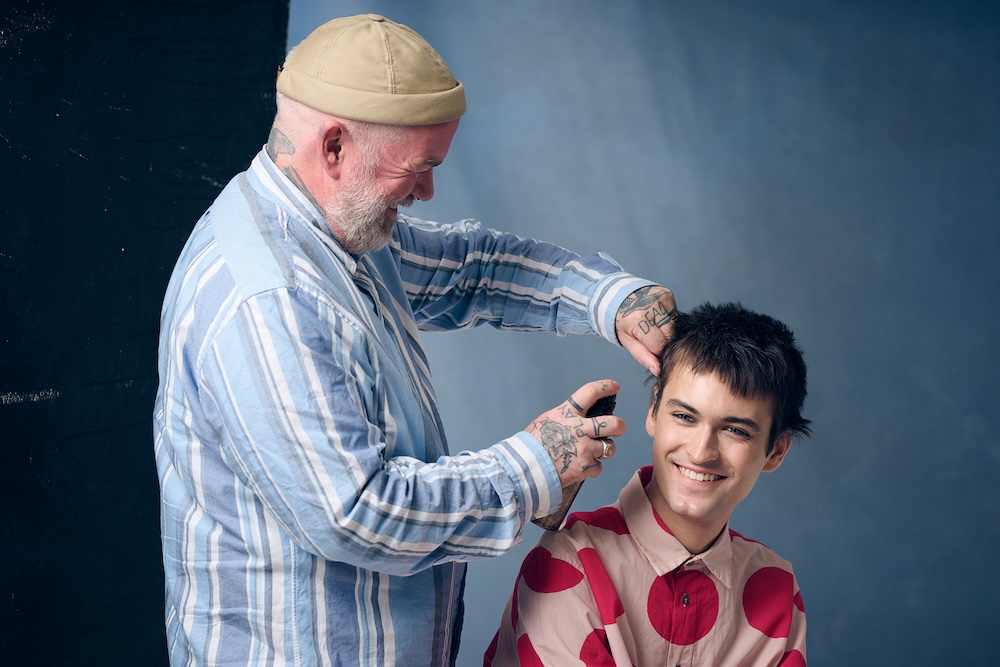
“A lot of what we do creatively as hairdressers, we are not paid for and we never have been,” says Adam Reed. “But does our desire to be creative and to have that experience on our CV mean that we’ve devalued ourselves? When I started off in session back in the ’90s, nobody was allowed backstage at Fashion Week, so I was happy to do the shows for free because it really did give me some leverage. I remember going to [talent agent] Debbie Walters in the hope that I could pay her to represent me, and she said, You know you’re going to work the next two years for free. And she was right. And the thing is, not only would I do the show for free, but I would also bring a whole team of hairdressers with me, who also worked for free. And what I believe happened is that the designers started to realise the hairdresser came for free and that practice kind of bedded in.
Adam Reed
“Looking back at that time, I’ve asked myself whether I’m part of the reason for the problem that exists now, or whether in fact I opened up an opportunity for those other hairdressers that they would never otherwise have got? I do understand my value, but I also believe I devalued what I do by saying, ‘Okay, I’ll do it for free’. And actually, it’s a culture that’s been indoctrinated not just into hairdressing but also make-up artists and clothes stylists. It affects a lot of people.”
Joe Mills
One thing is for sure: there is A LOT of money sloshing around from brands involved at Fashion Week and in magazines, but very little of it – if any – comes the hairdresser’s way. (Part of what Joe Mills is exploring is the net worth of the fashion and beauty brands who sponsor the shoots and shows where hairdressers work for free.) And working for free does not mean the favour will be returned – far from it.
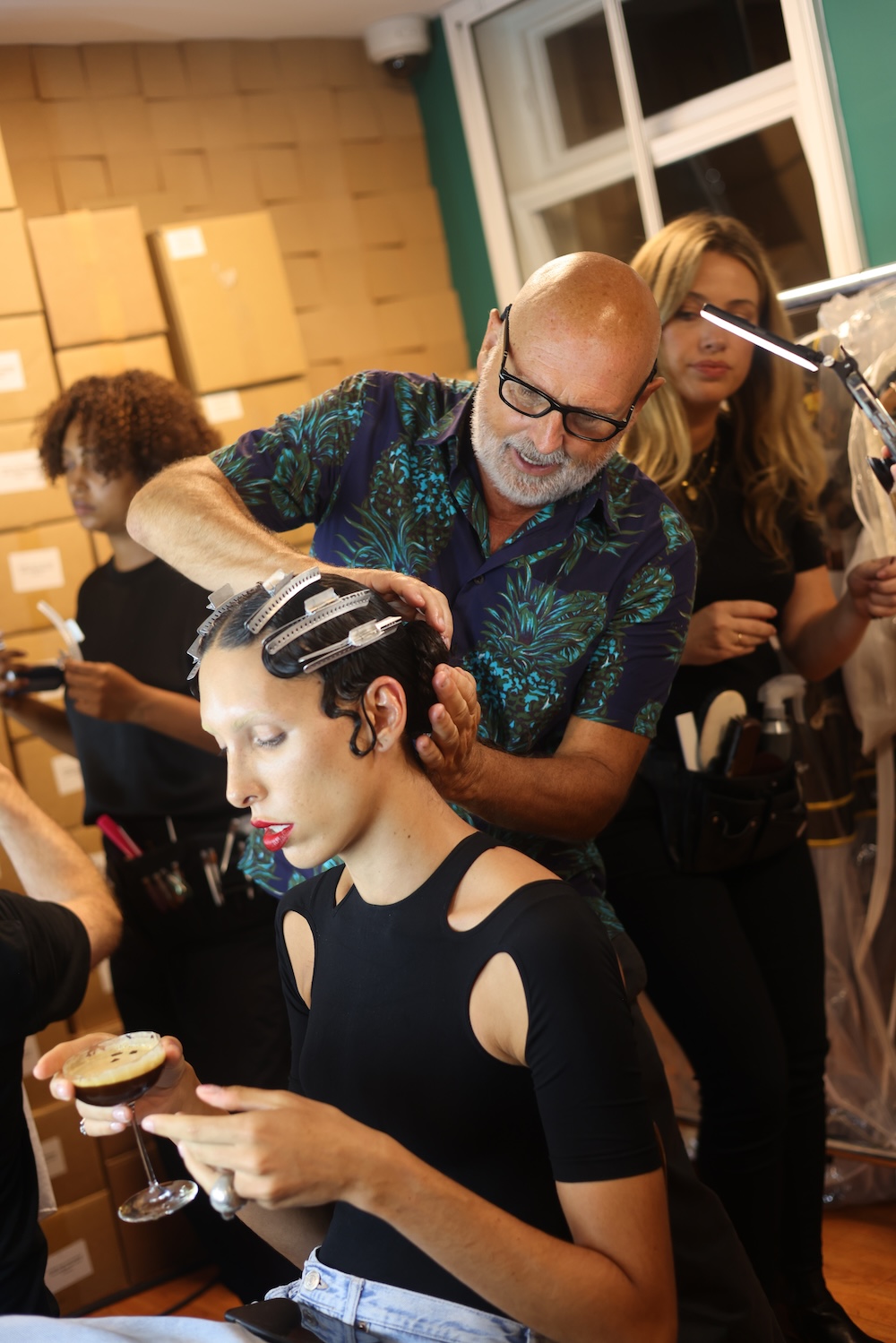
“I’ve been working in session for a long time now, and this is definitely the worst it’s ever been,” says session legend Sam McKnight. “Magazines have become such commercial entities nowadays and we are just commodities. They say to brands, ‘Pay us to set up the shoot for you,’ and then they work on the basis that they’ll get the whole team for free. Well, did anyone tell that to the team? No, of course not, because that shoot is not editorial, it’s advertorial and that’s a whole different proposition and the team should be getting paid. It used to be you worked for free in exchange for a credit, but when they post the pictures online they’re not crediting hair and make-up, so the ‘contract’, such as it is, is broken.
Sam McKnight
According to Sam, things started to change – on set and backstage – once production companies got involved. “Back in the day, there were no production companies. It was the photographer’s assistant who booked hair and make-up, sorted out cars for everybody, took care of catering. It was very small. But now it’s on the scale of the film industry and these production companies are in charge of the budgets and they charge their 20 per cent at the outset and then there’s a pecking order as to who gets the rest. And, as with everything in life, the money stays at the top and doesn’t trickle down – and hair and make-up are the easiest victims.”
Sam believes the issue of pay is indicative of a wider lack of respect towards hairdressers that extends to working conditions, too. “At the shows, you’ll have someone with a clipboard who’s decided they can fit 30 hairdressers, 60 models, 30 make-up artists and some press photographers into a space the size of the bus shelter,” he says. “There was a shoot where [make-up artist] Val Garland and I were prepping models in 35-degree heat in the photographer’s office because that was where we’d been allocated. And while the two of us are eating our M&S crisps for lunch, the publisher calls in from his holiday in Mustique. That was a real lightbulb moment. I don’t begrudge anyone their holiday, that’s fine. But it’s only fine if you’re making sure everybody else is fine at the same time.”
British fashion is a £26 billion industry, according to the British Fashion Council, but it has become increasingly reliant – if not wholly dependent – on large corporations, who sponsor entire fashion weeks, emerging designer shows and even transport for attendees. You would imagine that the arrival of financial support would spell good news for cash-strapped creatives, but that is often far from the case.
Sam McKnight
“In the fashion industry, collaborations are a big thing,” says Adam Reed. “When you’re a young hairdresser, you work a lot with young designers to create incredible imagery that you all control. But when brands get involved that control is taken away from you and that’s when it all starts to go wrong. I worked a lot with [fashion designer] Henry Holland in his early years and always for free, but as soon as he got corporate sponsorship from a beauty brand – which, ironically, I sourced – I got dropped because now it was the brand that got to decide who was on the team, not Henry.
“Sponsorship from beauty brands can also compromise your image-making because they want everything to sell to the consumer, because that’s how they’re going to make their money back. So, they don’t want what they would perceive as ridiculous hair and make-up – everything’s got to be natural-looking and achievable and sellable. And then the brand pays to bring all the beauty journalists backstage, and they are expected to write about the hair looks while name-checking the brand’s products. So, that’s advertorial. We, the creatives backstage, are being used to promote the sponsor brand – and we’re STILL not getting paid!”
So what’s the answer? Or, more to the point, is there an answer?
“Maybe we need a union?” says Adam. “I remember doing the Victoria’s Secret show in the US and everybody there was in a union – the staging people, the lighting people, the production team. They had a governing body issuing guidelines for what they should get paid, how many hours they could work, how many breaks they could have. We had to sign ourselves out of all that. I mean, it doesn’t happen so much anymore, but I’ve been on shoots where I’ve had to work until 3 o’clock in the morning knowing I’m not getting paid, while the model’s sitting there earning very lucrative overtime. If only I had this kind of support.”
“It’s a tricky situation because it’s dangerous to put your head above the parapet when there’s such an obvious risk you’ll get blacklisted,” says Sam. “It seems to me that the creatives need to get together and write some kind of charter of basic rights, such as working hours, being fed, minimum day rate, etc. If people were not having to work for free it would create a more level playing field and I believe we would be more valued. Since it was decided that models could no longer work for free at London Fashion Week, they command so much more respect.”
Joe has spoken to a solicitor who has suggested that being asked to work for free without having legal Voluntary Agreements in place may circumnavigate employment law, and he’s made it clear that his agency, Joe Mills Agency, has announced it will not be putting any of its artists out for unpaid jobs. In the meantime, he has written an open letter to publishing houses, published on his Instagram, outlining the extent of the problem and the damage it inflicts.
“The prevailing practice of requesting creatives to work for free in exchange for a mere credit poses a significant challenge,” it reads. “Frequently, there is no provision for essentials such as catering or travel allowances, and the hours spent on set can extend to an exhaustive 12-hour day. The expectation to accept unpaid work is further fuelled by the belief that refusal may hinder our progress in the industry. As creatives, it becomes difficult to decline, as we hold onto the hope that these projects will shape our careers positively.
“It is disheartening to learn that, while we contribute our skills and services without compensation, these projects often have corporate sponsors or are sold to advertisers, highlighting the exploitation of our talents by your esteemed publications.”
Joe insists that the letter is not an attack but the start of a wider conversation to address – and hopefully shift – the issue. “I’m asking people to be transparent and to understand how things can change,” he says. “If these collaborations were truly collaborative, with all team members agreeing to work without payment, it would be a different scenario,” he continues. “However, as a business, asking individuals to provide their expertise for free while generating revenue from their contributions is a systemic issue that warrants attention and rectification. Transparency from publishing houses to creatives would significantly alleviate this problem.”
But session stylist Gary Gill takes a different view. He believes that the current system – of working for free to build experience and contacts – is actually beneficial, so long as everybody is aware of the rules and understands the point at which they should start saying no.
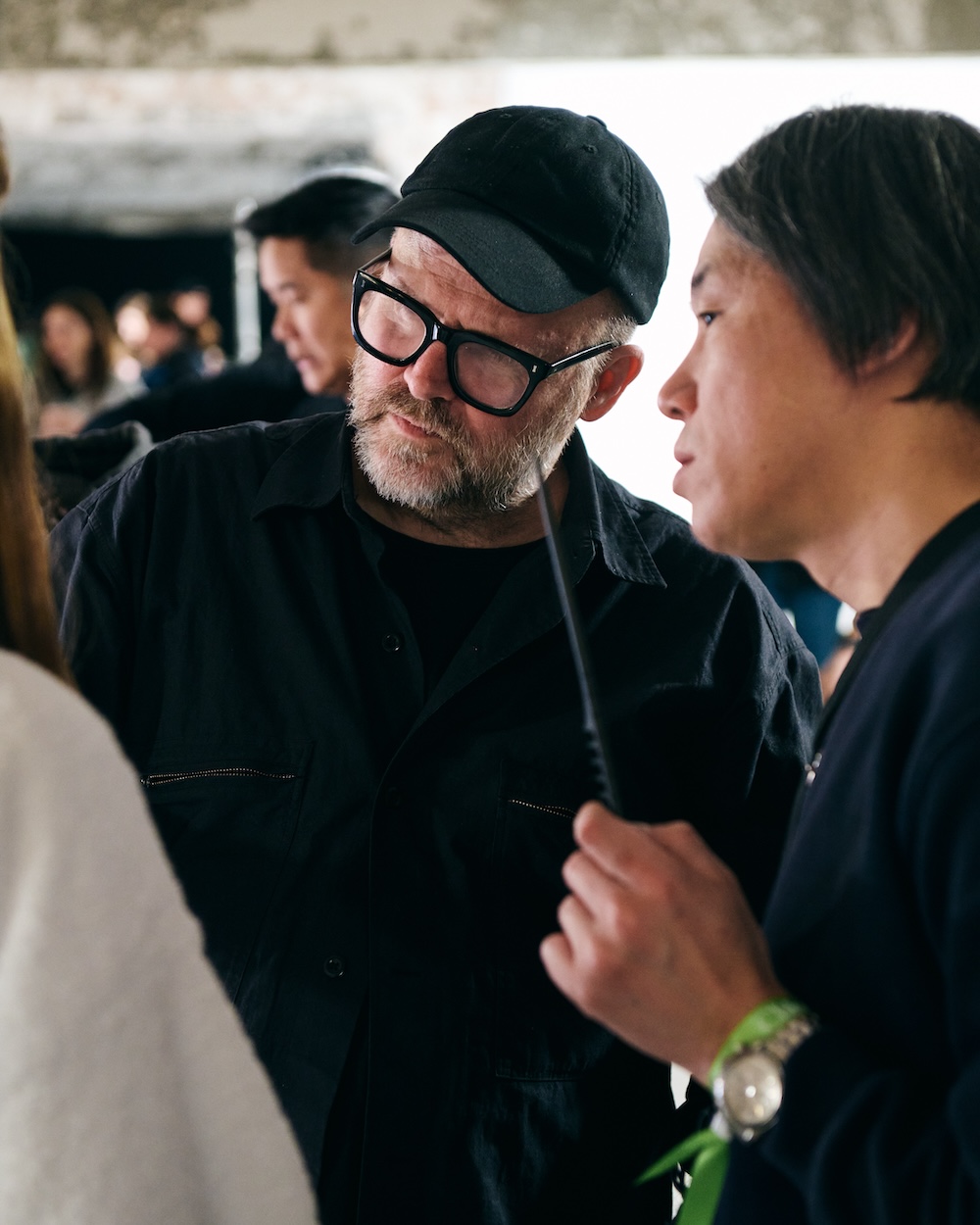
Gary Gill
“I feel that if there is too much focus on money from the beginning, the money won’t come in the end,” he says. “It is possible to have creative and financial success in this industry, but it works in a certain way, and you need to understand the rules, the system, and how to navigate it.
“After not getting paid for editorial, you should be getting paid for everything else you do – some things at lower rates and some higher. It’s not all about creative, it does become about business and knowing your worth. For every 10 people who won’t do an editorial for free there are 20 who will; that will never change, and to be honest I don’t think it should. It’s not the responsibility of the magazines, it’s the responsibility of the artist to understand when to say no when not enough money is put on the table for paid work. In recent years so many more people are wanting to do session and fashion work and it’s created an unhealthy level of pay as people are desperate to get in.
“Hairdressing at its most creative is an art form and commerce doesn’t always come into it – it’s about passion and a desire to do something that makes you feel something. As soon as money is involved, that desire, feeling and passion go away, it becomes just another job. Young people need to be encouraged, mentored and guided on how things work and decide if it’s for them. Fashion takes no prisoners and can be brutal, like any highly competitive industry. There are only a few who make it and it’s our responsibility as older artists in the industry to spell these things out.”
The page you requested could not be found. Try refining your search, or use the navigation above to locate the post.